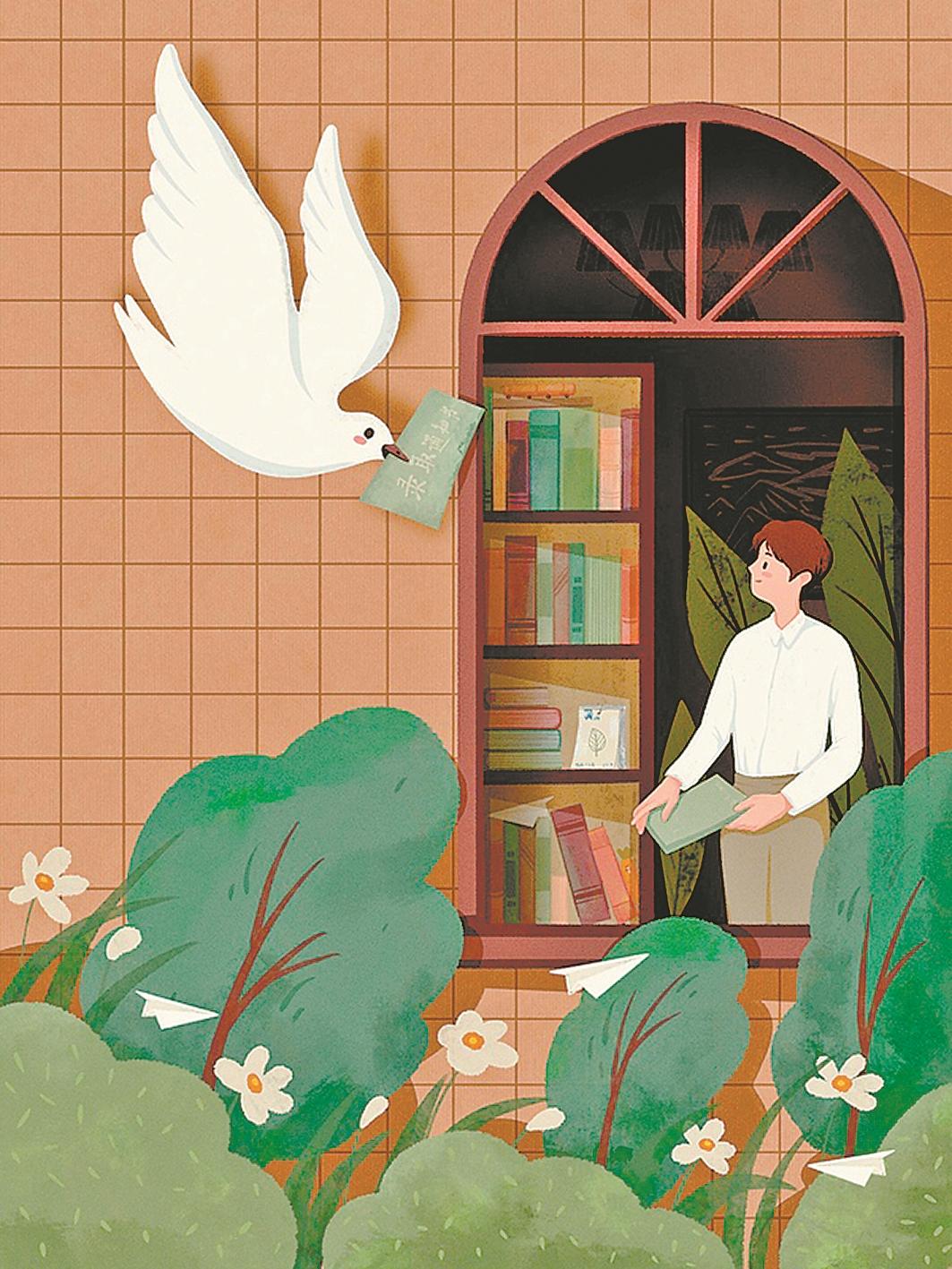
When the entrance exam was reinstated at the end of the 1970s, my generation was among the first in years to sit it in earnest. For a farmer's child the ambition was modest and very clear: get off the land, find some road a little steadier, and be spared the sun and rain of the fields and hillsides.
The countryside then was plain to the point of bareness, and every household counted what it spent. Our houses were low, mud walls and wooden windows that never quite closed; wind came through the gaps, dust settled in. Daylight hours were never free — after school there was always work: pulling pigweed, feeding the ox and the sheep, cutting firewood for the stove. By the time the small chores were finished the sun had already slipped down; the day was closing. Only after everyone else had gone to rest could I light a lamp and open my review materials.
The lamp was an ink bottle with a wick so fine it shivered at the slightest draft. When the tip burned down I would prod it up, and black smoke would come at my face until my eyes stung. When drowsiness hit, my head nodded like a pestle in a rice mortar, and in the end I would topple over and sleep flat on my back, not knowing what hour it was. Kerosene was rationed in those days, bought against coupons. My father had to be up early to make noodles; my mother would tell me to sleep if I could, and save the oil. I knew how hard that oil was to come by, but night was the only quiet time for reading, so I would judge the level in the bottle by eye and stay planted on that hard wooden stool, my eyes fixed on the page. The smoke drifted up all evening; after a night's reading the tip of my nose and my fingertips were grey with soot.
Boarding at school was thin in every way. The canteen's rice came out soft and soupy, nearer congee than rice. What we ate with it, year in and year out, was pickled greens from a clay crock. The crock was sealed tight, but we were into it so often that the greens had gone black and unlovely; filling the stomach was the point then, and the bottom of the crock showed soon enough. The dormitory was a single-storey room built against the kitchen, its wall permanently darkened by years of cooking smoke, and at noon and in the evening a faint smell of oil, vegetables and meat drifted through it. The beds were black, hard wooden frames with uneven boards; two or three of us squeezed into one. The quilts were thin, laid on the bare boards, cold in winter and damp in summer. A crowd of boys packed in together, noisy and unbothered — and somehow we all got through.
Reading then was simple work, with few distractions. Nobody compared clothes, or food, or conditions; the only contest was over who could sit still the longest and work the hardest. Other kids ran off to the river to feel for fish; we kept to a lamp and a few books and got through the days quietly. Two battered volumes — a Xinhua Dictionary and a book of idioms — read and copied out again and again; lessons read aloud until they were entirely familiar. The hill road to school and back was three or four li, walked twice a day at a trot, nothing worth mentioning.
The parents in those villages mostly could barely read, and every one of them believed books were worth something. They spent their lives in wind and rain, if not in the fields then up on the hills. At home, food and clothing were spared before anything else, but over a child's schooling they never hesitated. They had no grand theories; they simply worked, quietly, and gave us whatever there was to give. Watching my parents bent over their work in the fields, I knew where I stood — I did not dare fool around, did not dare waste the time.
Time has moved on. The boy who sat up under that lamp has retired. Looking back, the food, the smoke-blackened room, the trembling flame — none of it feels like hardship now. What those plain, poor years gave me, I think, was the ability to settle down, to take difficulty, to keep company with solitude. Every generation gets its own youth. Ours had nothing dramatic in it: a lamp, a bit of stubbornness, and steady work — that was the whole of it. Not letting the years go to waste, and settling into teaching, was satisfaction enough.