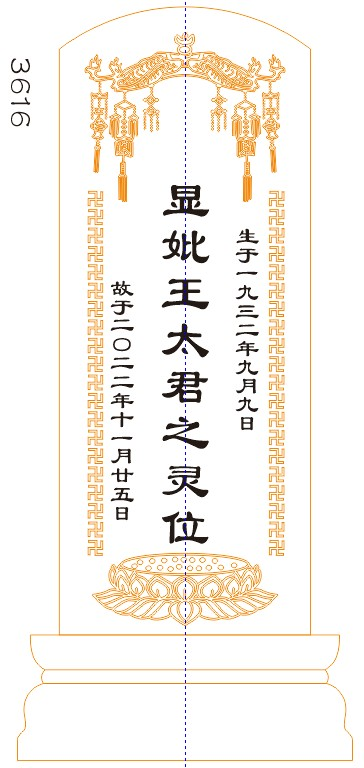
The family she came from
My grandmother’s surname was Wang. She was born in 1932 in Tuqiaopu Village, Xiaoqi Township, Baofeng County. In those years of unrest and poverty, most people’s names were plain and practical, not chosen for any special meaning. Many people did not even have a recorded birthday. When keeping warm and having enough to eat were daily concerns, who had the time or habit of celebrating birthdays?
The date on my grandmother’s identity card was March 15 on the solar calendar. According to my uncle, when she went to apply for her ID, she did not know her birthday, so the staff simply used the day of registration. After she passed away, my uncle felt that the ninth day of the ninth lunar month was a good date, so the family began to regard that as her birthday.
Grandmother had one brother and two younger sisters. I have almost no memory of her brother, my great-uncle. I only vaguely remember going to Tuqiaopu Village as a child for a local fair, the kind of gathering common in the Pingdingshan area of Henan, and knowing only that we had relatives there.
Her second younger sister was adopted by a wealthy family while the family was fleeing famine. Years later, relatives tried to look for her, but too much time had passed. With the poor communication and transportation of that era, they never found her.
Her third younger sister, my great-aunt, was exactly twelve years younger than my grandmother. I heard from my aunts that when she was little, the family had once considered suffocating her under a pillow because they could not afford another mouth to feed. In the end, they could not bring themselves to do it, and so my great-aunt survived.
Things like this sound absurd today, almost impossible to imagine. But they really happened in China in the last century. The suffering that generation endured is beyond what we can easily understand.
In 2020, my grandmother’s mind was still relatively clear. During the day she would often sit by the doorway. My great-aunt came to see her that year. I believe it was the following year that my great-aunt died of illness. At least the two sisters had managed to see each other one last time.
It is hard for us to truly picture what life was like in those days. When my grandmother was still lucid, I sometimes asked her to tell me stories from the past. But whenever I brought it up, she would look a little sorrowful and avoid the subject.
What I know about her original family mostly comes from casual conversations with my uncles and aunts. That is all I have been able to gather.
What the older generation remembered
The elders in my family described my grandmother in almost exactly the same way. When she was young, she was quiet and did not like idle gossip. In her whole life, she never had conflicts with neighbors and never quarreled with anyone.
During the slack farming seasons, people in the village liked to go out after meals and sit together chatting. My grandmother rarely joined them. She did not like crowds or excitement.
She was also extremely hardworking. She spent her whole life working. When I was little, I noticed that the busy farming season seemed to be the time she was happiest. Only then did she have more work than she could finish.
The family was terribly poor in those years. My grandmother’s greatest achievement in life was raising four sons and two daughters: my three uncles, my father, and my two aunts. Now my uncles are grandfathers themselves, and my aunts have also become grandmothers.
In that era, for my grandparents to bring up six children was already an enormous accomplishment. Without my grandmother, our large family would not exist.
She spent her whole life doing this one thing.
One story my uncle told me has stayed with me. Back then, when the family ate noodles, only my grandfather and my eldest uncle could be given a proper chopstickful of noodles, because they were the main laborers in the household. Everyone else could only drink the thinner broth and make do. My uncles and my father all said they felt hungry every day. There simply was not enough food at home.
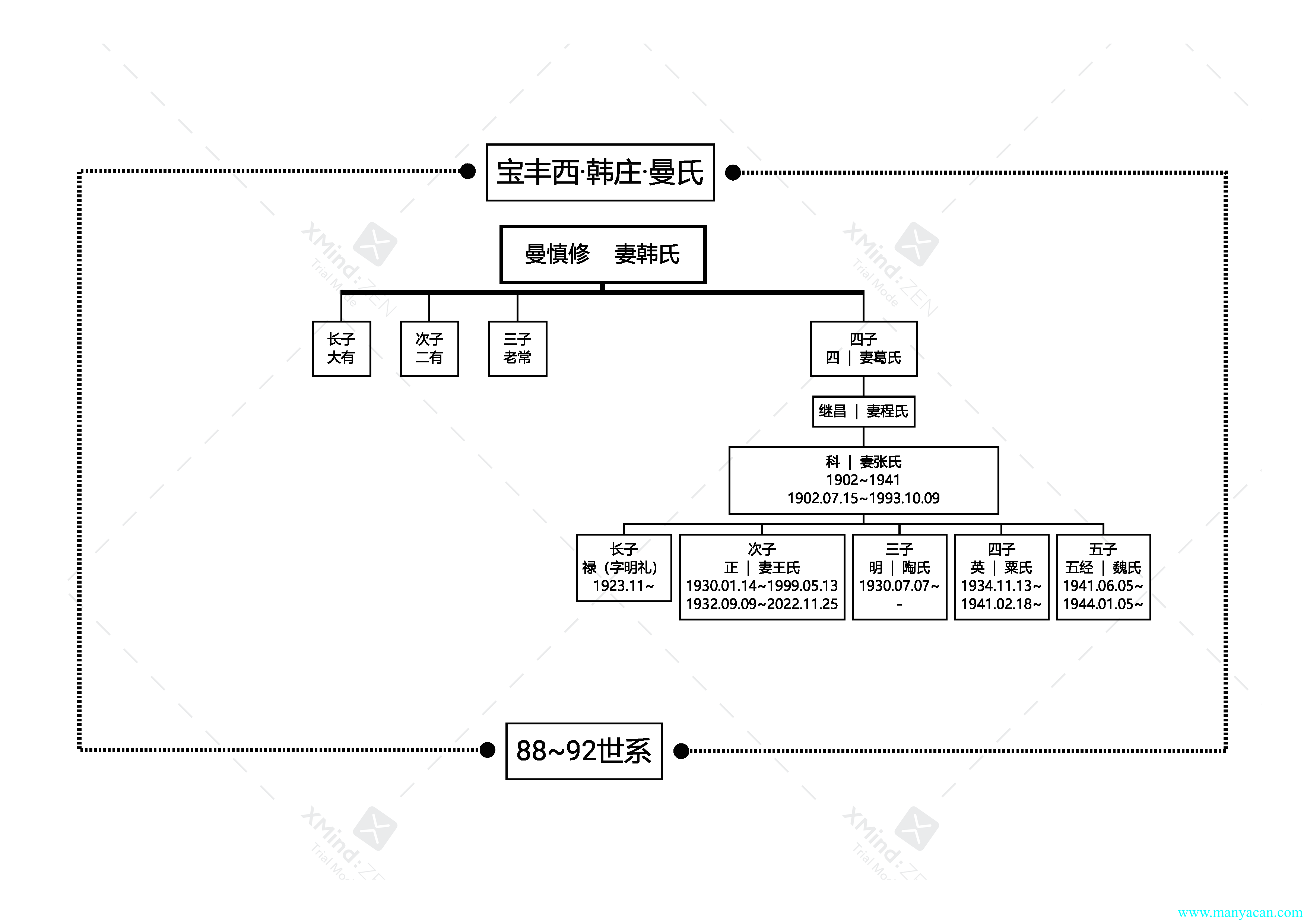
Growing up beside her
My father is the youngest in his family, and our home is the old family house that belonged to my grandfather and grandmother. After my two aunts married and my three uncles started their own households, my grandmother continued living in the old home with my father.
People of the older generation were deeply attached to an ancestral house. Once they grew old, they did not want to go anywhere else. They only wanted to stay at home.
Because of that, I grew up in the same courtyard as my grandmother and was close to her from childhood. When I was little, my mother went to Guangzhou for work, and my father went out to work every day. My grandmother often looked after me. For more than twenty years, I was used to her living in the room by the entrance. Every time I came home, I could push open her door and see her. Even now, I still cannot get used to her absence.
Starting in high school, the first thing I did every time I came home was open the door to her room and call out, “Grandma.”
During the SARS year, I think my mother was still working away from home and my father was working locally. I remember one day wanting bubble gum. My grandmother took me to buy some. There was not a single person outside.
When I was small, there were not many snacks to eat. I remember early summer, when the wheat heads had just filled out. My grandmother would go to the field, cut some wheat heads, bring them back, and roast them for me. She used the remaining heat from the cooking fire, putting the wheat heads into the embers for a while. Then she would take them out, place them in a winnowing basket, shake off the dust and ash, rub away the husks with her hands, and give the grains to me. I would eat them in one mouthful.
Her stove was like a treasure chest to me as a child. It let me openly enjoy the pleasure of “playing with fire,” and it also produced all kinds of food I loved: roasted sweet potatoes, toasted steamed buns, roasted apples, and more.
Whenever I helped her tend the fire while she cooked, I either added too little firewood and the flame was weak, or I added too much and nearly smothered it. But my grandmother was skilled at managing a fire. She could always revive a flame that I had almost killed. Years later, after studying physics, I learned that wood needs oxygen to burn, and the key is allowing enough contact with air. My grandmother could not explain it in scientific terms, but she certainly understood the principle.
My fire-tending skills were taught to me directly by her, hand by hand.
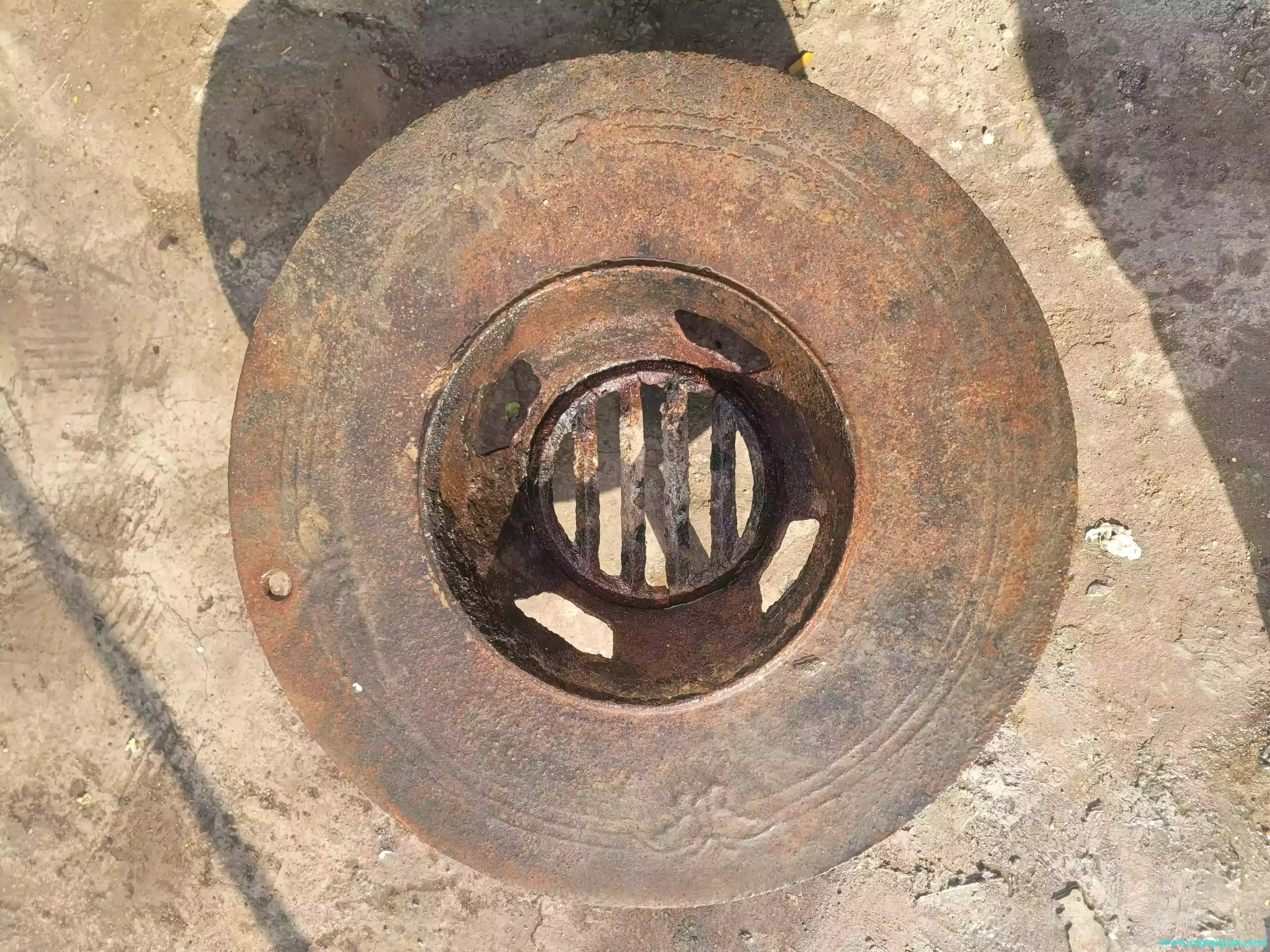
This was what we called the stove. For as long as I can remember, my grandmother used it to cook. She would mix wheat straw with yellow mud and shape a small circular earthen wall on top so the pot could sit just right.
After our family got a color television, my father would sometimes call her into the main room and find an opera program for her to watch. At those moments, it seemed less like she had come to watch TV and more like she was enjoying the comfort of being together with her son and grandson.
Another thing I remember clearly is that whenever my aunts came back to visit her, they would bring many good things to eat. My grandmother almost never ate them herself. She saved them for me. Every time I went to her room, she would give me something. In all the years I knew her, I never heard her say what she liked to eat. She never asked her children for anything.
These days there is not much farm work left to manage in the countryside. But when I was young, the happiest time of year for her was probably the busy farming season, because only then could she become busy again. After a lifetime of labor, too much idleness did not suit her.
When I grew a little older and started primary school, she would often give me a jiao or two. Looking back now, that amount seems too small to buy much, but when I was a child, one jiao could buy a spicy gluten stick or a piece of ice candy, and that was enough to make me happy for a whole day.
When I was already in fifth or sixth grade, she once gave me two jiao: a green paper note that many people may have forgotten by now. At that age, two jiao was probably no longer enough for my “expenses,” so I saved it instead. I have kept it to this day.
Her habit of giving me money continued until I went to university. She would still ask whether I needed money, though I had stopped spending her money after middle school. Later, whenever I was about to leave for university after visiting her, she would take out a crumpled handkerchief. Inside was a neat roll of small bills. I never saw a full one-hundred-yuan note in it, but she would still pick out the largest bills she had and try to give them to me.
When she realized I refused every time, she came up with a new method. She would ask me to buy things for her, then tell me to keep the change. Sometimes she asked me to buy biscuits or something similar, not because she wanted to eat them, but because she wanted to buy them for me.
She did not speak much, but she always found ways to treat me as well as she possibly could.
The high school years
In high school we had three hours of free time each week. Many classmates spent those three hours in internet cafés. I would get on my bicycle and ride home as fast as I could. The round trip took more than an hour, which meant I could stay at home for less than two hours.
If my parents were not at home, my grandmother would cook for me. Her food was simple, with no elaborate dishes, but I was always happy to eat it. My aunts often brought her candied dates, telling her to put them in porridge so it would taste better. She was usually reluctant to eat them herself. Only when she cooked for me did she put some in.
Around the time between ninth grade and my first year of high school, I brought home a few rabbits from my aunt’s house to raise for fun. When I went to school, my grandmother helped feed them. In spring, she would take me to the fields to pick small grasses and pull them up for the rabbits. The rabbits always loved the grass she chose. Her knowledge of farming and plants was deep and practical.
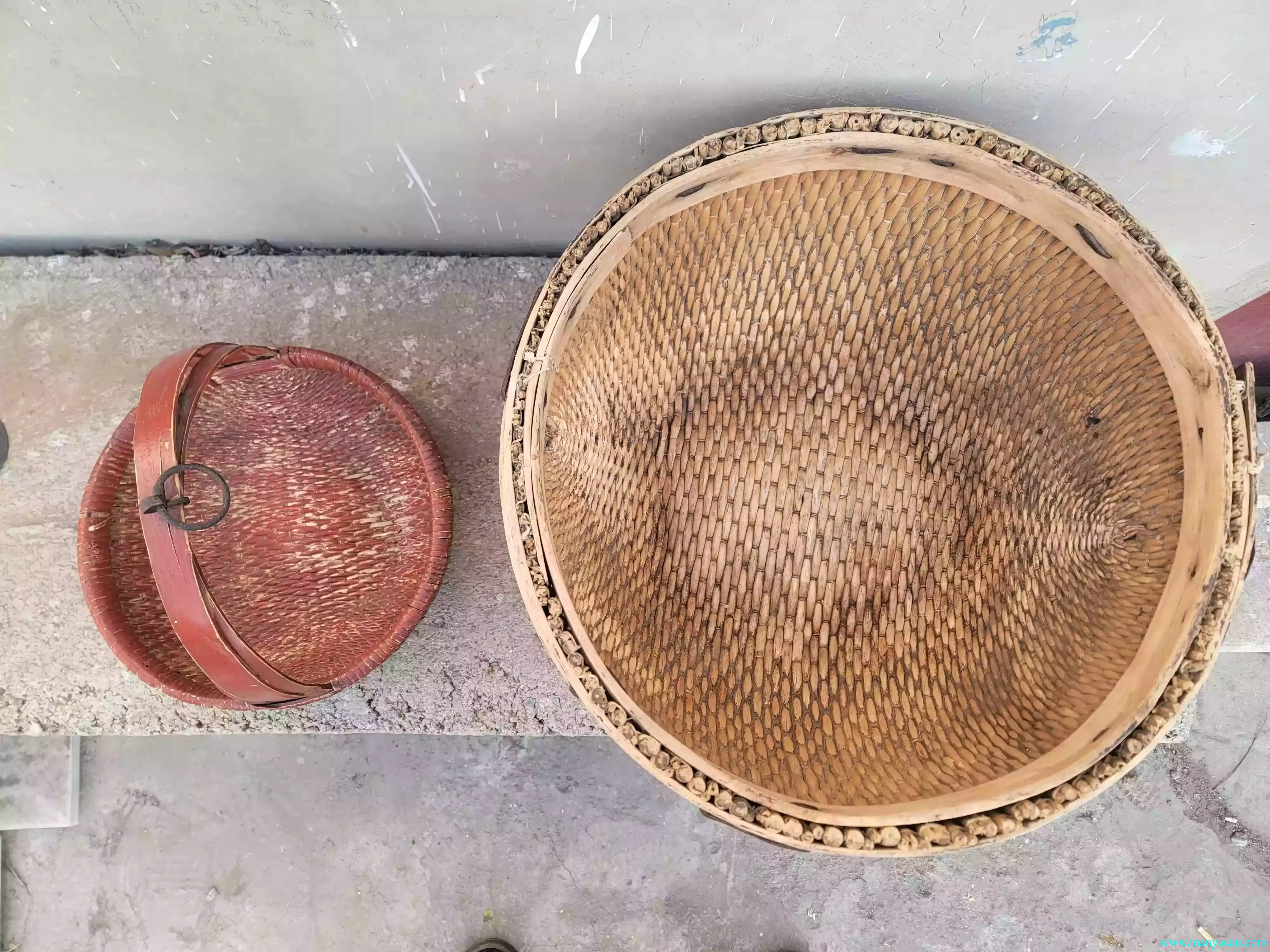
The red item on the left was called a tidou, a kind of carrying basket. Before plastic bags became common, people carried things in these when visiting relatives or neighbors. It served much like a handbag today. I do not know the name of the item on the right.
When I was little, my grandmother would also go stay at my aunts’ homes for a few days from time to time. My second aunt lived in the county town, closer than the others, so Grandmother went there more often. She disliked taking vehicles and always walked there and back by herself. Each visit lasted ten days or half a month.
After she became somewhat confused, she went less often. Once people grow old, they do not want to go anywhere. They only want to stay in their own home. But when I was in high school, probably in my second year, she went once more. I remember coming home during a free period. My father happened to be home, so he took me to my aunt’s house to see my grandmother before sending me back to school.
It was more than seven kilometers from our home to my aunt’s. My grandmother used to walk that distance home. She was always that stubborn, as if she never quite fit into the modern age.
It was not only that she insisted on walking. In her daily life, the only things that used electricity were a clock, a flashlight, and a light bulb. The clock battery might be changed once every half a year or longer. She avoided using the flashlight unless it was so dark she could not see anything. As for the light bulb, if she could feel her way around in the dark, she would never turn it on.
Beyond that, she never told us what she liked to eat, or that she thought something was delicious and wanted to buy it. She had been frugal all her life. She barely took medicine in her lifetime and never placed any financial burden on her children. My grandmother never liked troubling others. She saved and endured for a lifetime.
Before I left for university
The summer before university was long. At that time, my grandmother lived by herself in a house to the west, not far from ours. I often went to see her, whether I had a reason or not. After dinner in the evening, I would take my younger sister with me. Once we arrived, I would run a few kilometers along the road while my grandmother and my sister walked slowly for a while.
Our dog was still with us then, and we often brought him along. Every time he went to my grandmother’s place, she fed him something tasty. After a while, the dog learned the routine. Every few days he would go to her place on his own, eat what she gave him, and return by himself.
The day my university admission notice arrived, my grandmother, my father, and my sister were cooling off by the front gate. It was a hot summer day. I rode an electric bike under the heat to the town to pick up the notice. When I got home, I opened it and showed my father.
My grandmother could not read it, but seeing my father and me happy, she must have been happy too. Still, she looked very calm, sitting with one leg crossed over the other, waving her palm-leaf fan and looking out beyond the gate.
When I told her I was going to Anhui to study, worry filled her face. She did not like the idea of me going so far away. She also told me Anhui was poor. I was surprised. She had hardly ever left the village. How did she know anything about Anhui?
Later she explained that in her time, Anhui often suffered floods. People from Anhui would come to our area fleeing famine. She said Anhui people were clever and knew how to do small trades. In the past, many families had aluminum pots, and if the bottom broke, it could be replaced. Many of the Anhui migrants knew that craft.
That year, she planted a small patch of peanuts beside her house in the west. Every few days I went over to draw water and water the peanuts for her. Each time I visited, I also filled her water bucket before leaving. Because university started late that year, I helped her harvest the peanuts before school began. But the yield was poor. She told me I had watered them too often, so the plants grew leaves and stems while the peanuts underground stayed small.
How I wish I could harvest peanuts with her once more.
After I started university, the first thing I did whenever I came home was visit my grandmother. The last thing I did before leaving after each holiday was also go see her.
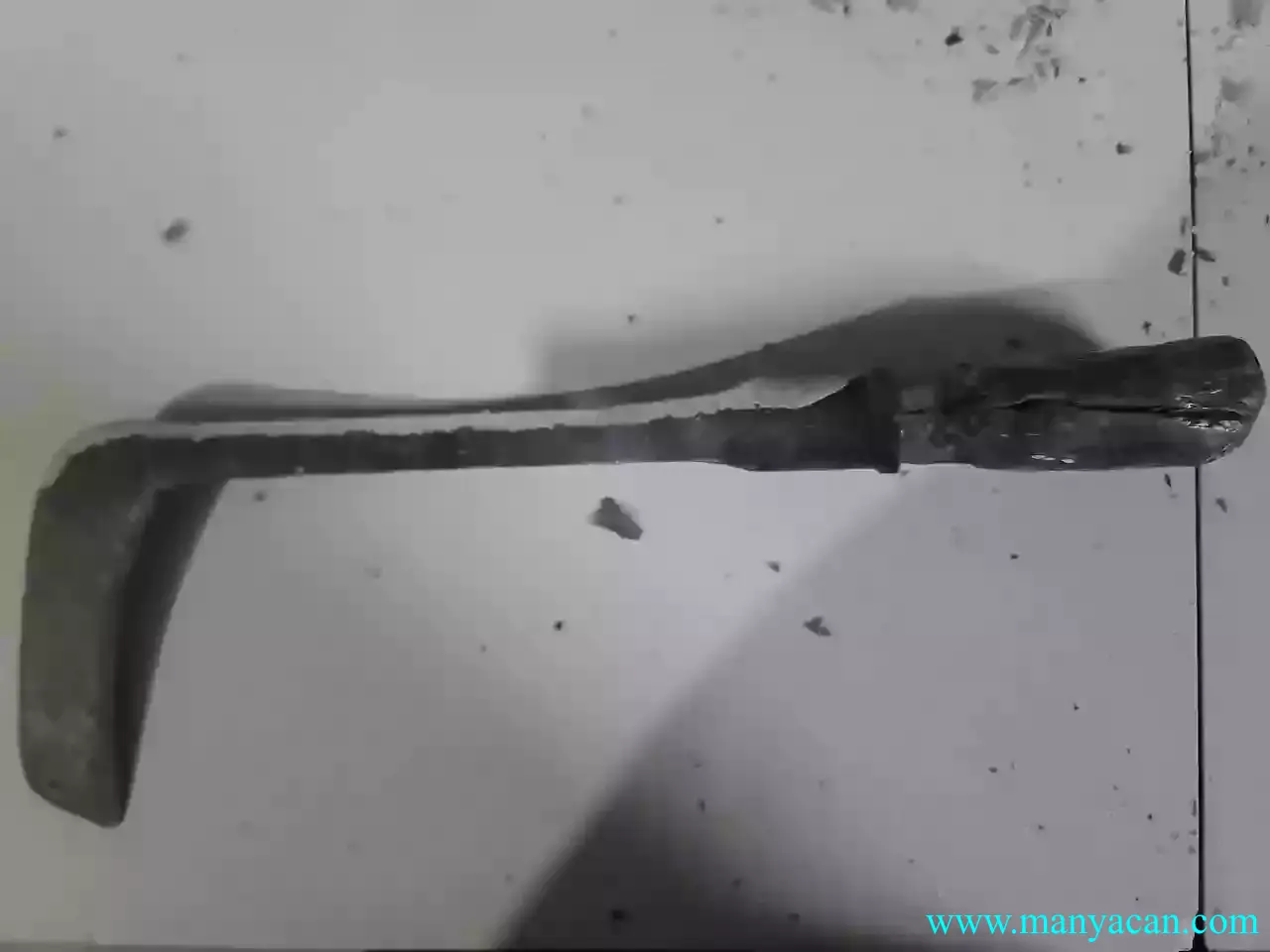
When my grandfather was alive, he always felt the sickles at home were not sharp enough for cutting grass, so he bought this one specially for cutting grass for the ox. After he died, my grandmother kept it and would not let anyone else use it. Grandma, from now on, let me keep it for you.
The things she liked, and the things she never asked for
I never heard my grandmother say what she liked to eat or what she disliked. Perhaps people who had lived through famine developed the habit of not making demands.
In my memory, she did not eat meat. She used very little salt and oil. One bag of salt could last her several years.
Once, I think my aunt had bought her a large barrel of peanut oil. My grandmother did not know what it was and kept it in the cupboard for a long time. One day when I went to her room, she carried it out and asked me to open it so she could drink it. She had mistaken it for a beverage.
Thinking about it now, she did have two things she liked: noodles and kang-made steamed buns, the kind cooked against the heated stove or griddle.
She always cooked by lighting a fire. The process of making those buns produced a lot of charcoal ash, so the buns she made were often blackened. But even with buns like that, the first people she thought of were still her sons and grandson. We never minded the ash. We picked them up and ate them.
In her final years, even after she had begun to lose clarity, she would still make those buns for herself when her mind was clear. If my father, my uncles, or I were there, the first one done would still be given to us. At that time, we all felt that being able to eat a bun made by her was truly a blessing.
Now I will never eat one of her buns again.
Her favorite thing to do in winter was sit by the fire. Starting in high school, every winter holiday during the New Year period, whether she was staying at our house or at the house in the west, I would go find her at night and sit by the fire with her.
She was old and did not understand the things of this era. She was also naturally quiet. So most of the time, the two of us simply sat there in silence, watching the flames move up and down.
Quiet like that, it was still good.
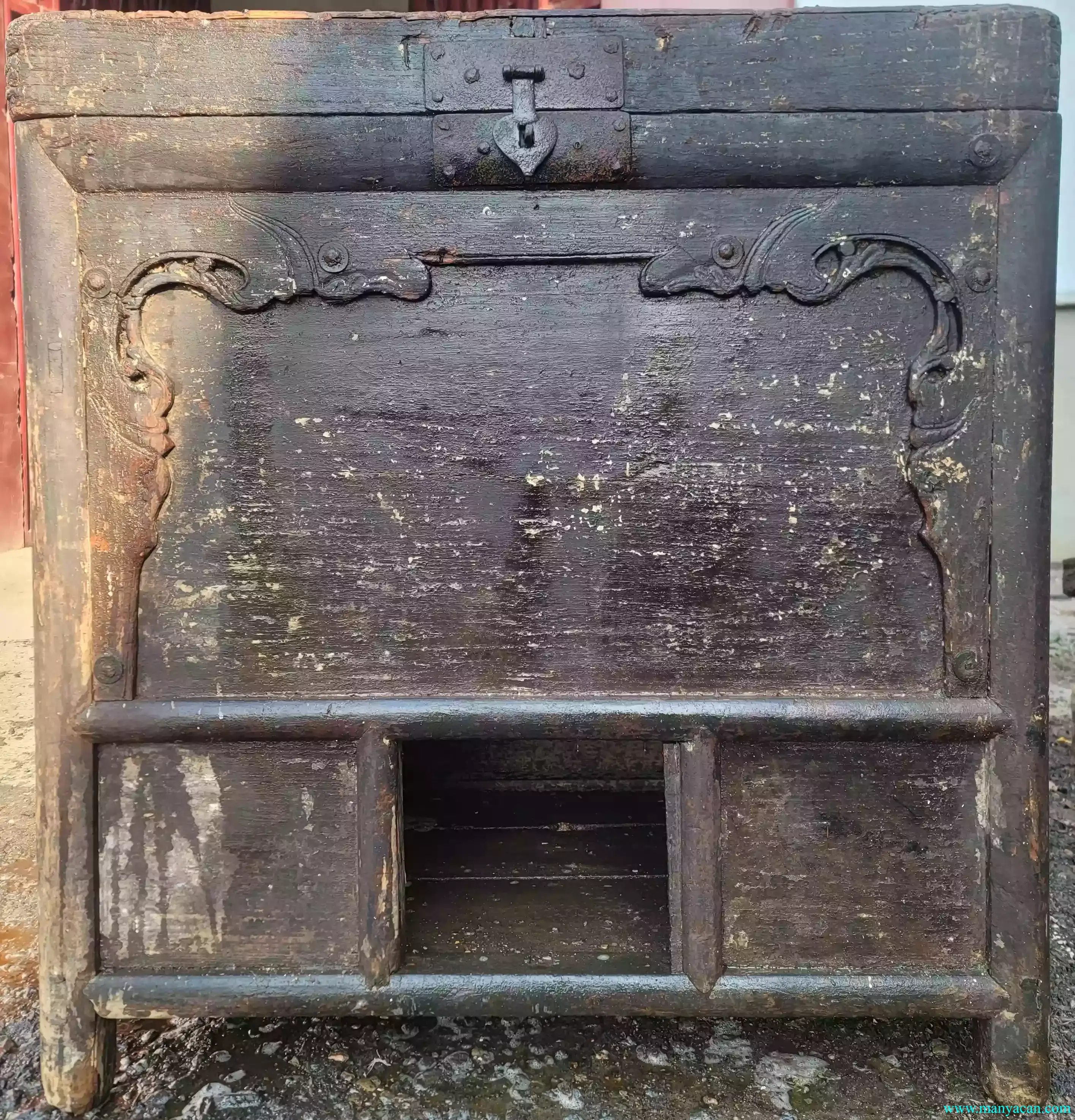
This cabinet is the oldest object in our family. According to the older generation, my maternal grandmother’s family used to be well-off, and this cabinet was part of her dowry when she married. Later, when my grandfather married and the family property was divided, it was given to my grandmother. She used it for her entire life. It must be around a hundred years old.
Her final years
After I started university, I could only go home during winter and summer vacations. So whenever I had a holiday, I never stayed outside to take part-time jobs or earn money. I went home first to see my grandmother.
In 2020, because of the pandemic, I stayed at home for more than half a year. I remember one day when the weather was very good. My grandmother was sitting on the stone bench by the doorway, basking in the sun. I took a small orange, peeled it, and gave it to her. She said she would not eat it and told me to eat it instead. I said I was tired of eating them and asked her to have it. Only then did she take it. She said it tasted quite good. I immediately ran back inside, got another one, peeled it, and gave it to her. She ate that one too.
In 2021, there was a period when my mother said my grandmother’s health was not good. I hurried home to see her. That time, I brought her a local specialty from Huangshan, small baked pastries. When I returned, she was still not confused and ate one or two.
I did my best to be with her during her last days, but looking back now, I still feel it was far too little.
In recent years, because of the pandemic and graduate school, I went home much less often. When I had not been home for a full year, the person I worried about most was my grandmother. So once restrictions were lifted and the school began arranging holidays, I did everything I could to get home as soon as possible.
After returning home and isolating myself for three days, the first morning I got up, I went to see her before even brushing my teeth or washing my face. She was lying in bed. When she saw me, she stared blankly for a long while. I called to her. She tried hard to open her mouth and speak, but by then her voice was very hoarse.
The first time, I could not hear clearly. The second time, I listened carefully. She was asking whether I had eaten.
I told her I had just gotten up and had not eaten yet. She looked at me for a little while longer, then turned her head away.
After saying those last words to me, she did not eat another bite of food and did not say another word during the final two days.
Now when I think about it, I cannot help wondering whether she had really been waiting all along just to see me once more.
During the last two nights, we stayed by her side. During the day, all the cousins who could come back came to see her. On the second night, when she passed away, my eldest uncle, my second uncle, and I were in her room. My eldest aunt-in-law and my second aunt sat beside her bed, feeding her tea sip by sip.
Several days have passed since my grandmother left, but while writing these words, I still cannot stop crying. I had been mentally preparing myself for this for years, but when it really happened, I still could not accept it.
Whenever I think back to my childhood, my school years, my university years, and all the memories of home that are tied to her, my eyes sting.
Every corner of this home carries traces of my grandmother. No matter when I came back, as soon as I entered the gate, I could see her. From now on, I will never see my grandmother again.
To other people, my grandmother’s existence may not have meant anything special. But to my family, she raised generations of children and grandchildren. Her four sons and two daughters all built families of their own, and most of her grandchildren have also grown up and started families. Without her, there would be no large family like ours.
Grandma, I have grown up. I will take care of myself, and I will take care of this family. You can leave in peace. If you miss home, come tell me in a dream.