More Than a Name
The first time my friend Z mentioned the “LITENG Saber,” I pictured a folding outdoor multitool: hard, sharp, and reflecting that cold industrial light. In reality, it was a motorcycle—the LITENG Saber 150, a standard bike from LITENG Power.
That clarification matters. To anyone outside the motorcycle world, the name sounds more like a piece of edged weaponry than a vehicle. Yet over the weeks that followed, it became exactly that for me: a blade capable of cutting through the dullness of everyday life.
The day Z finished transferring the motorcycle’s registration, the sunlight in Wuhan was almost painfully bright. Since he had been living in Shanghai for a long time, the machine—with its retro shell and firm, angular lines—ended up staying in my garage. I was an unemployed young man temporarily drifting back into an unstructured life, with long stretches of time that felt as noisy and empty as cicadas in summer.
The Saber 150 sat quietly in the corner, waiting to be brought back to life.
From Reluctant Ownership to the Open Road
My original reason for getting a motorcycle license was hardly romantic. After years of encouragement from Z and another friend, L, I decided that I might as well earn a D license. “I’m not doing much anyway; another skill could come in handy,” was more or less my reasoning.
In my plan, a motorcycle belonged to some later stage of life. I would consider switching from my smart electric bicycle only after it had grown old, its battery had deteriorated, and it could no longer keep pace with my daily routine.
Life, naturally, did not follow that plan. With the Saber 150’s key in my hand, I kept looking at its compact CTV transmission and carefully made wire-spoke wheels. A strange thought began to take shape: if I never rode it, perhaps the machine would simply wither away.
With Z’s generous permission, I decided to take it out.
At first, I was uneasy. Moving from the quiet, almost frictionless experience of an electric scooter to the Saber 150 meant adjusting to rhythm, vibration, and the deep mechanical sound of an internal-combustion engine. For safety—and also because I wanted to document the experience—I bought the first motorcycle dashcam of my life.
That purchase felt like flipping a switch.
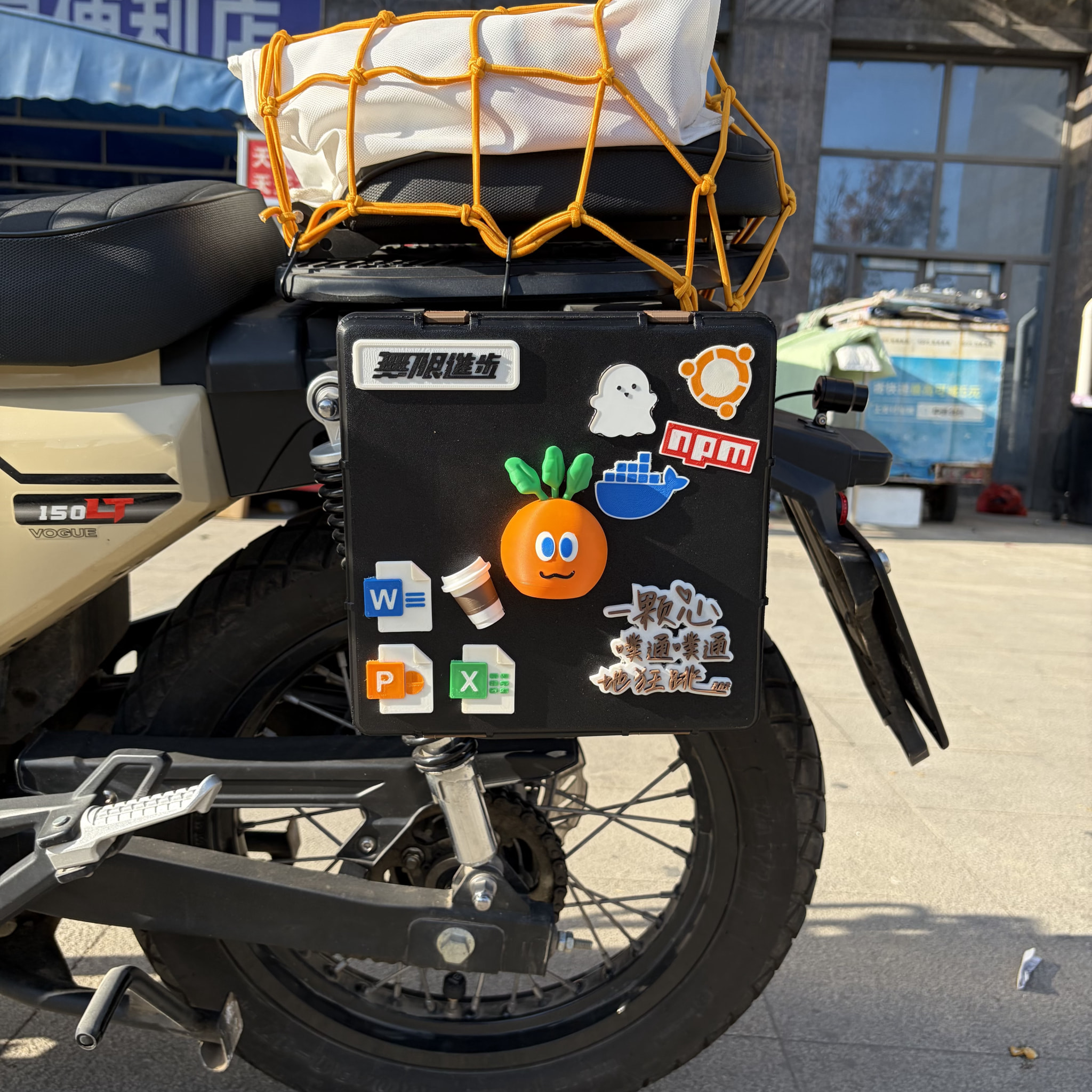
Once you start adding accessories to a motorcycle, your relationship with it begins to change. I wanted the bike to suit my taste better and to be more comfortable on longer rides, so I began researching modifications: a coffee-cup holder, a callsign plate in place of the item mounted on the right side, and a set of panniers.
During those long unemployed afternoons, I stopped spending quite so much time refreshing anxiety-inducing job apps. Instead, I crouched on the garage floor with a wrench and a screwdriver, facing the Saber 150 as if we were having a conversation.
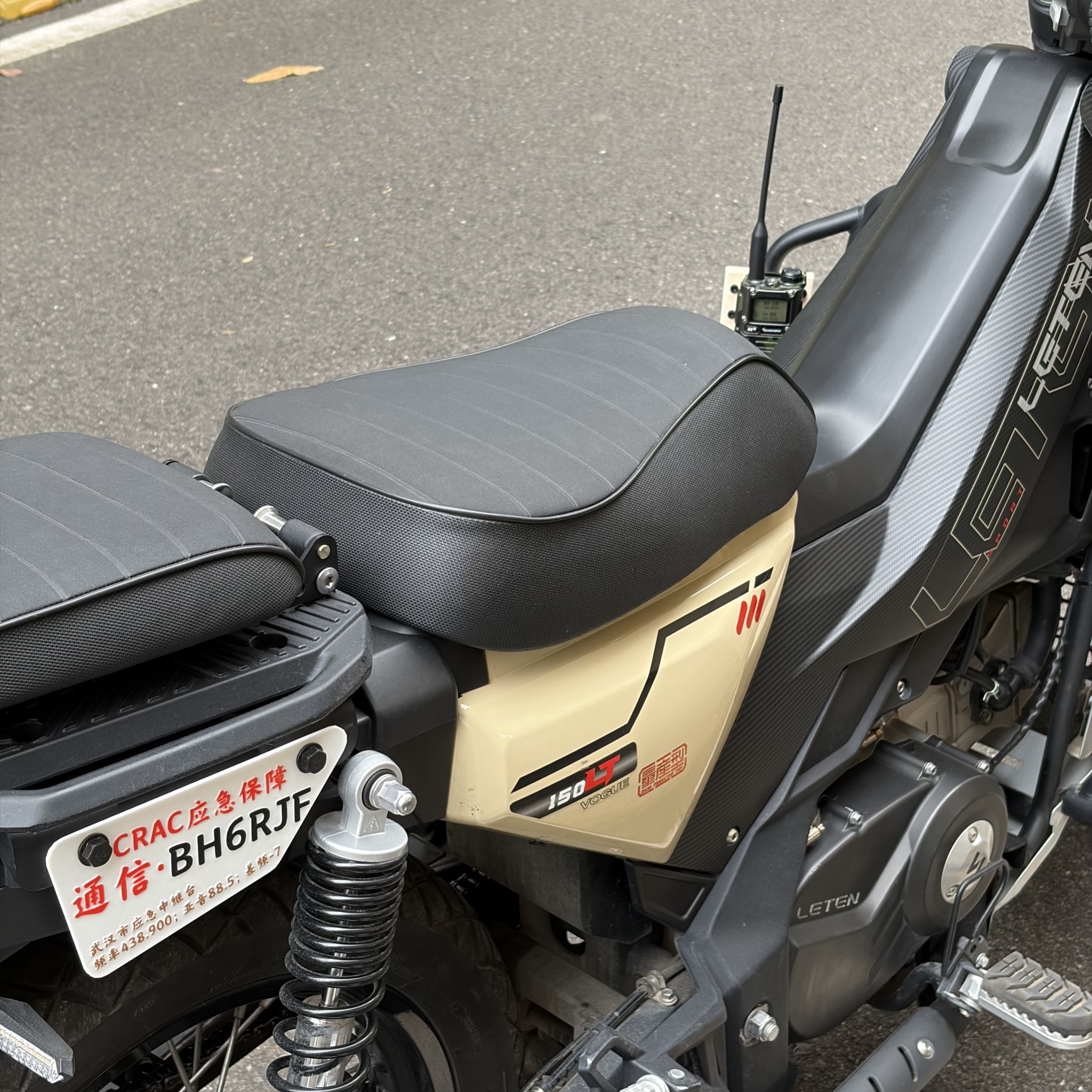
I realized that modifying a motorcycle is also a way of sorting out your sense of control over life. The tightness of every screw and the path of every wire seemed to say the same thing: life may slip beyond your control, but in this moment, you can still help this machine evolve according to your own wishes.
Freedom Has Color in the Wind
I once watched a 2021 anime series called Super Cub. Its solitary protagonist, Koguma, climbs onto an old Super Cub, and a world that had seemed as gray and flat as water gradually begins to acquire color. At the time, I thought that transformation might be an artistic exaggeration.
Then I began riding the Saber 150 through Wuhan’s streets and alleys, sometimes taking it along empty roads beside the river, and suddenly I understood.
The motorcycle changed both the radius of my social life and the quality of my everyday existence.
The pressure of unemployment faded while I was riding. I would twist the throttle, feel the wind slipping through the gaps in my helmet, and sense the engine’s vibration traveling from the footrests into my spine. In those moments, neither the lessons left by a former relationship nor the anxiety of work could catch up with me.
I also started trying solo outdoor meals. I packed a gas canister and burner, a folding chair, and a small bag of ground coffee into the panniers. The Saber 150 took me away from the crowded city and toward places an electric scooter could not easily reach. Along the riverbank or beneath the shade of trees, I would unfold the chair and watch the motorcycle cast a long shadow in the evening sun.
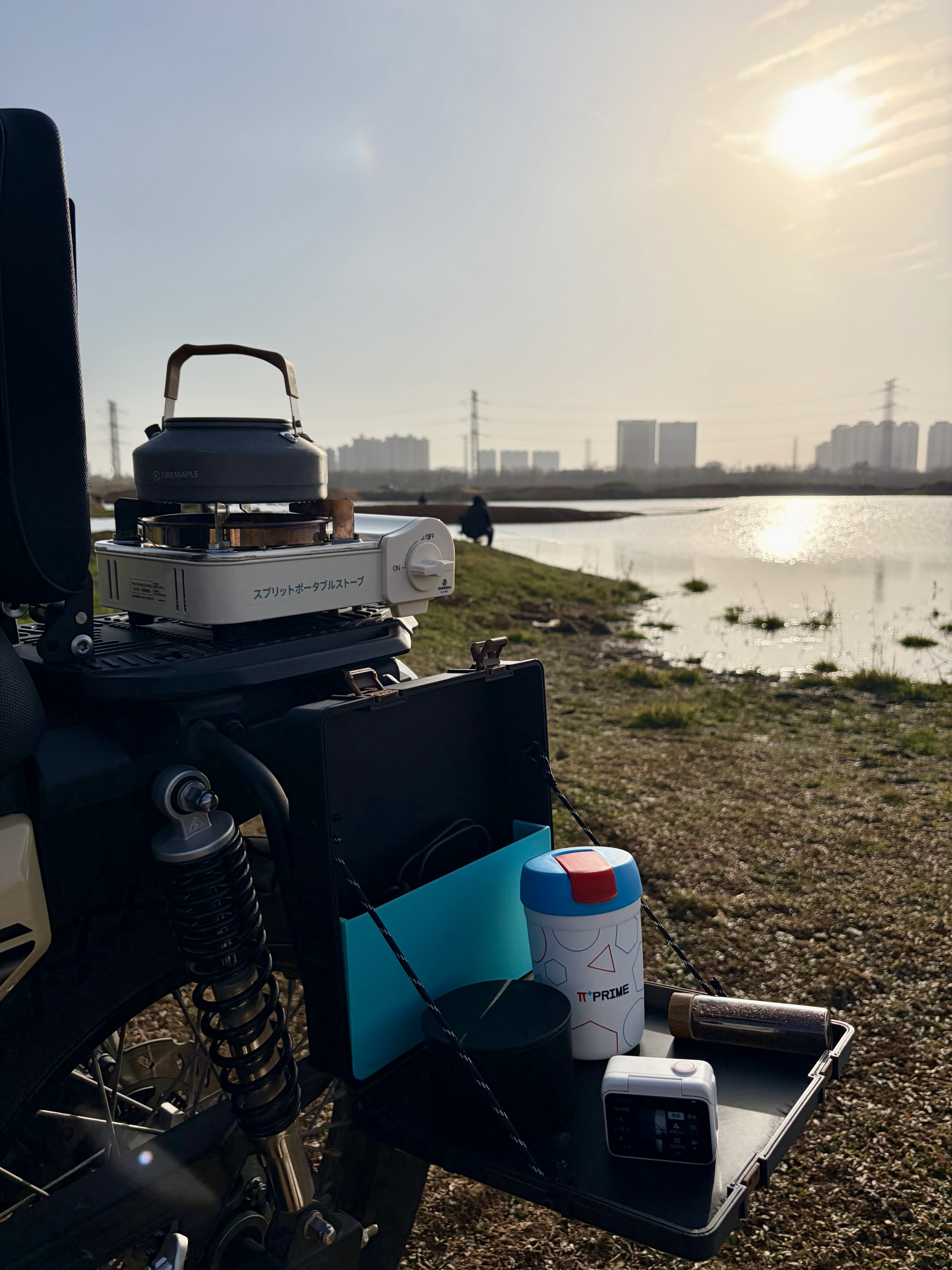
At those times, the machine made of steel and rubber was no longer simply something my friend had left in my care. It had become a companion in the field.
More importantly, it gave me the confidence that I could leave at any time. For someone between careers, that feeling was a remedy money could not buy.
My Own Super Cub Moment
The reference in the title should be clear by now. I have wondered whether part of the recent motorcycle boom in China was encouraged by Super Cub. The series has no spectacular racing, no pileup of expensive equipment, and no heroic competition. It tells a quieter story: how an ordinary means of transportation can alter a person’s state of mind.
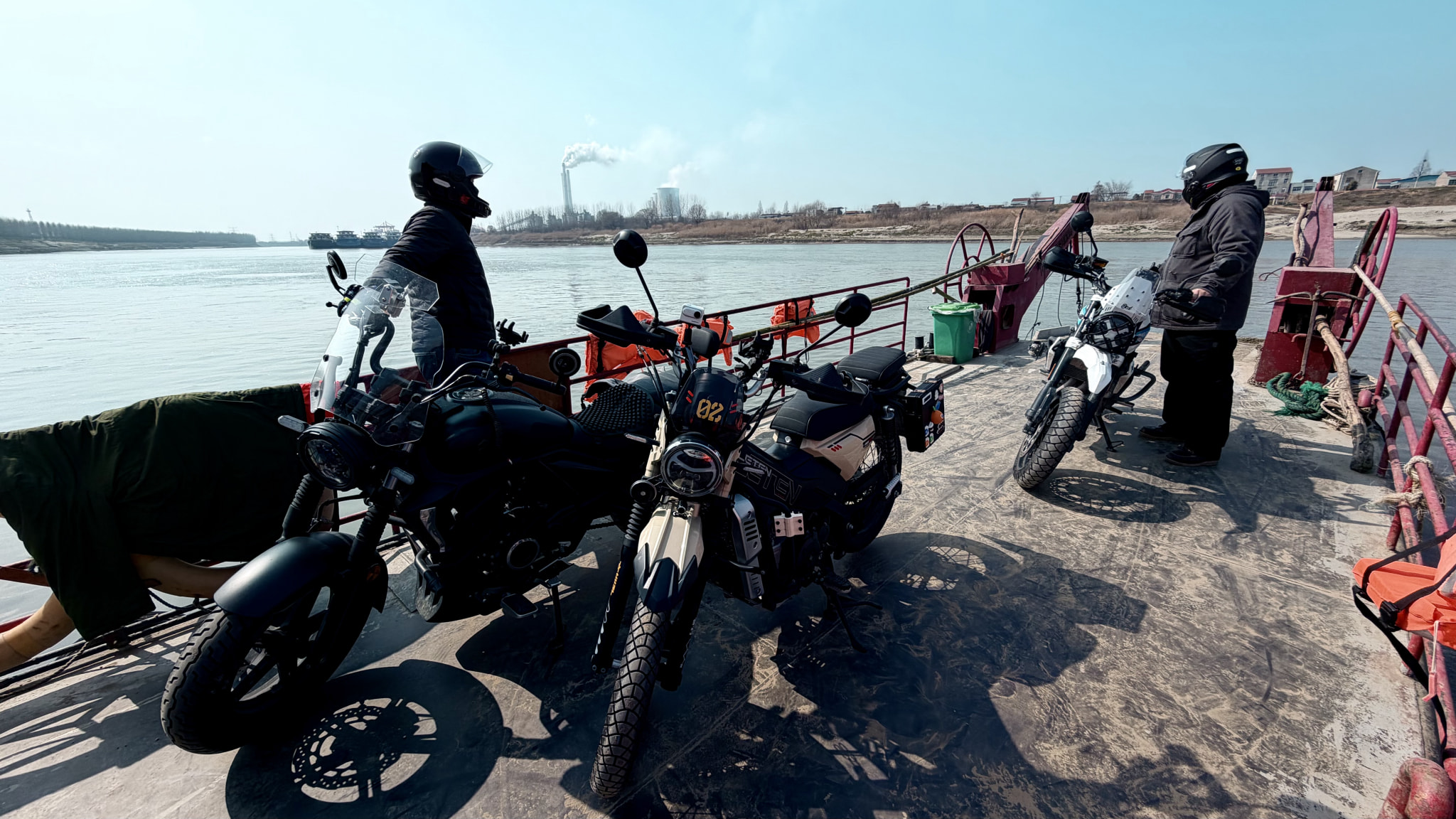
For Z, the Saber 150 is a small footnote to his hometown of Wuhan. For me, it became a patch of light during a difficult and unusual period. It goes farther than an electric scooter, keeps me closer to the air than a car, and is quieter than loneliness while proving more dependable than it.
I still have not found the ideal job. But I am no longer consumed by impatience whenever I think about it. When anxiety returns, I go downstairs, pat the Saber 150’s broad seat, climb on, and press the ignition switch.
With that crisp burst of engine noise, the Saber cuts through the fog in front of me. As long as there is wind, fuel, and a handlebar in my hands, the road ahead can continue beyond the next bend.
There is still a long way to go. The Saber and I are ready for the next intersection.