A quick note first
You might assume this is written by someone in the wellness space, but it isn’t. I’m just someone who pays attention to my own health and likes using the internet to learn about things I never formally studied. So this is not meant to be a medical explainer. It’s closer to a set of personal notes gathered while trying to understand vitamins a little better.
There’s a common idea that many people live in a kind of in-between state: not clearly ill, but not truly healthy either. Energy drops, resilience weakens, and the body seems less able to adapt. In fast-moving cities, that feeling can seem almost universal. Irregular schedules, stress, and a diet that never quite keeps up with what the body needs all quietly push people in that direction.
That’s probably why vitamins and supplements are so appealing. They promise smoother skin, better immunity, fewer colds, fewer little problems that keep piling up. It’s easy to imagine them as a simple reset button. But are they really that magical? That question was what led me into looking into vitamins more seriously.
Food first, supplements second
Before getting into any “vitamin strategy,” the most basic question comes first: is it better to get vitamins from food or from pills?
The answer many experts give is straightforward: if you can meet your needs through normal eating, that is the better option.
One nutrition researcher has even argued that taking vitamin supplements can be a huge waste if they become a substitute for eating properly. The emphasis, instead, should be on whole plant foods, because they already contain the nutrients people need.
That idea makes sense. Natural foods are not just containers for isolated vitamins. They contain multiple nutrients in forms that interact with one another. A review in The American Journal of Clinical Nutrition noted that the complex interactions and synergy among nutrients in plant foods help the body function well and may optimize antioxidant and anticancer activity. In other words, an orange is not simply “vitamin C.” As a whole food, it may do more than a supplement containing one isolated nutrient.
So “eat a balanced diet and more fruits and vegetables” really isn’t empty advice.
The harder question is practical: how do you know what you might be lacking, and what foods are worth paying attention to? The table below is a useful starting point.
<table> <thead> <tr> <th>Vitamin</th> <th>Common food sources</th> <th>Signs of deficiency</th> <th>Type</th> </tr> </thead> <tbody> <tr> <td>Vitamin A</td> <td>Liver, kidneys, oily fish, dairy products, eggs, and margarine. Carotenoids are found in orange, yellow, and dark green fruits and vegetables such as carrots, broccoli, spinach, and watercress.</td> <td>Deficiency may lead to night blindness, dry skin, poor growth, and developmental difficulty.</td> <td>Fat-soluble vitamin, mainly found in animal products</td> </tr> <tr> <td>Vitamin B1</td> <td>Brown rice, grains, beans and lentils, flour, yeast, nuts, potatoes, and pork.</td> <td>Deficiency may cause weakness, depression, dizziness, tingling in the hands and feet, headaches, memory decline, and sleep problems.</td> <td>Water-soluble vitamin</td> </tr> <tr> <td>Vitamin B2</td> <td>Beef, lamb liver, wild rice, pasta, soy milk, whole grains, yeast, legumes, seeds, and dairy products.</td> <td>Possible symptoms include dry, red, peeling skin, cracked lips, sore throat and tongue, mouth ulcers, inflamed eyes, light sensitivity, poor concentration, memory issues, burning feet, and reduced red blood cell levels.</td> <td>Water-soluble vitamin</td> </tr> <tr> <td>Vitamin B6</td> <td>Breakfast cereals, brown rice, black bread, wheat germ, yeast, nuts, seeds, lentils, potatoes, baked beans, soybeans, bananas, white fish, and meat.</td> <td>Low intake may lead to nervousness, irritability, confusion, peeling facial skin, inflamed tongue, and mouth ulcers. In older adults, immune function may also decline.</td> <td>Water-soluble vitamin</td> </tr> <tr> <td>Vitamin C</td> <td>Fresh fruits and vegetables and fruit juices, including kiwi, Brussels sprouts, and peppers.</td> <td>Deficiency may cause bruising, bleeding, skin problems, and hair loss. These are also symptoms associated with scurvy.</td> <td>Water-soluble vitamin</td> </tr> <tr> <td>Folate</td> <td>Spinach, Brussels sprouts, broccoli, yeast, fortified cereals, citrus juices, beans, liver, kidneys, and oranges.</td> <td>Folate deficiency is associated with anemia, which can reduce the blood’s oxygen-carrying capacity and lead to shortness of breath, fatigue, and weakness. It may also contribute to sore tongue, depression, nerve damage, and neural tube defects, heart defects, or limb abnormalities in infants. Some symptoms overlap with iron or vitamin B12 deficiency.</td> <td>Water-soluble vitamin</td> </tr> </tbody> </table>When to take them
If you do take supplements, timing matters.
- Water-soluble vitamins are generally better taken after meals. Their absorption mainly happens in the small intestine. Eating can slow down transit a little, which may give the vitamin more time there and improve absorption.
- Fat-soluble vitamins are better taken with food. Vitamins such as A and E dissolve better when some fat is present, so taking them during a meal makes absorption easier. A practical approach is to take them halfway through eating, especially with something containing a little oil or broth.
Why I ended up looking into supplements
To be clear, I’m not selling supplements, and this is not an attempt to play doctor. If you have a real health concern, the right place to go is a proper hospital or a qualified professional.
My own interest in supplements came from a few very ordinary problems. I have oily skin, used to deal with acne more easily a few years ago, and I’ve been bothered by recurring mouth ulcers for a long time. On top of that, my overall nutrition hasn’t been great. I’m a picky eater, and that has caused different small health issues at different times.
I know myself well enough to say this: I’m not unhealthy in any dramatic sense, but I’m not exactly in ideal shape either.
On impulse, I bought several bottles yesterday and decided I wanted to at least understand what I was taking before swallowing everything blindly.
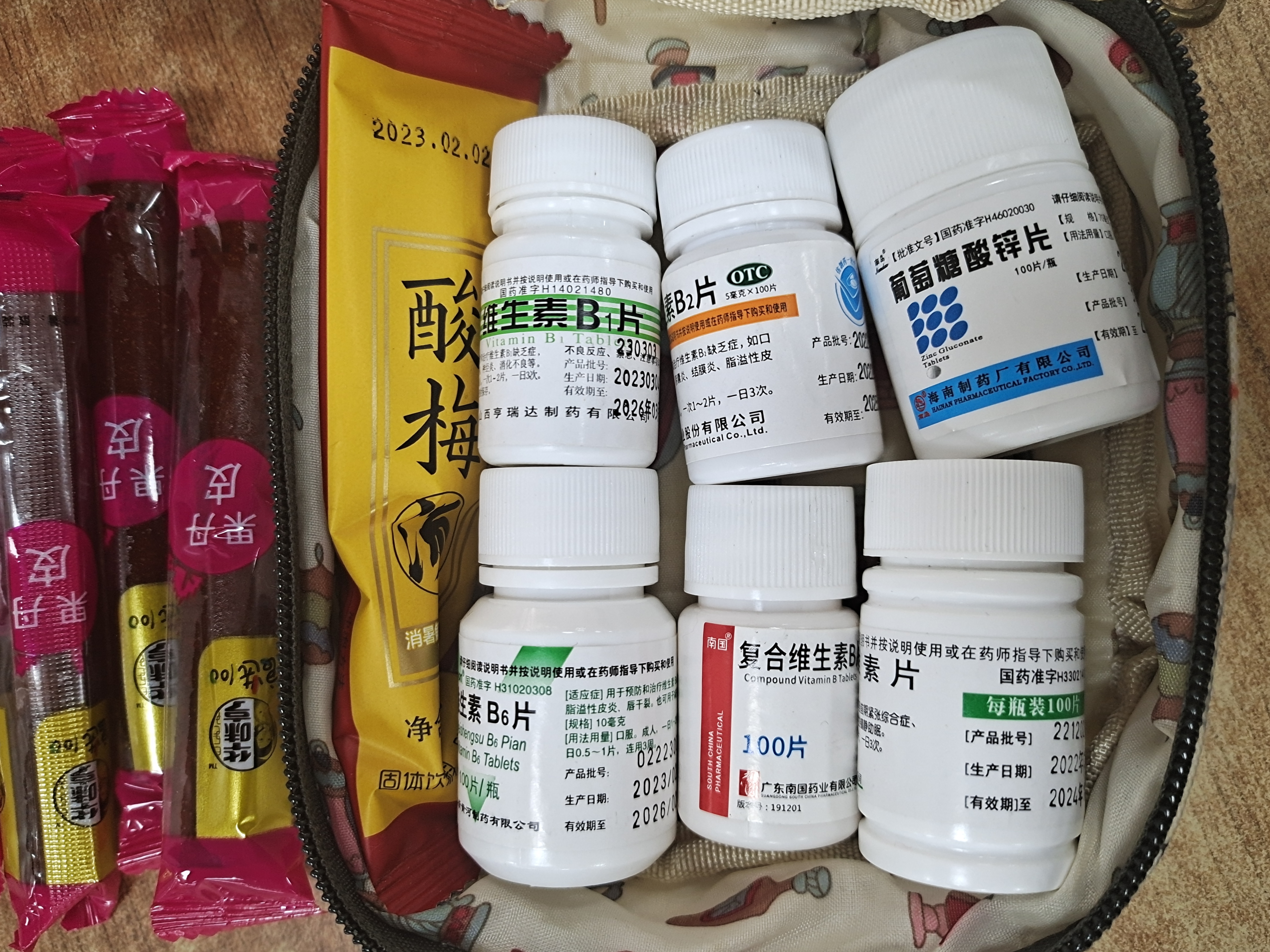
That was the real reason for organizing the next table. Taking multiple vitamins without understanding their interactions can easily backfire. I had been wondering for a while how to supplement properly, what combinations matter, and what side effects or warnings are worth paying attention to.
Vitamin interactions and cautions
<table> <thead> <tr> <th>Vitamin</th> <th>Interactions worth noting</th> <th>Warnings</th> </tr> </thead> <tbody> <tr> <td>Vitamin A</td> <td>Zinc deficiency can interfere with vitamin A metabolism by reducing retinol synthesis and its conversion in the retina. Using vitamin A together with iron may lower the chance of anemia. Long-term alcohol use can deplete liver stores of vitamin A and may worsen alcohol-related liver damage.</td> <td>Vitamin A is generally not recommended during pregnancy in excess, because too much may cause birth defects. At the same time, adequate vitamin A is still necessary for embryonic development.</td> </tr> <tr> <td>Vitamin B1</td> <td>Antioxidants such as vitamin C can help prevent vitamin B1 from being oxidized into an inactive form, which can happen in some foods.</td> <td>Long-term alcohol use may contribute to deficiency. Vitamin B1 supplements are considered unsafe for children under 12 or for children with kidney problems because of accumulation risk. Raw fish may also contain thiaminase, an enzyme that breaks down vitamin B1.</td> </tr> <tr> <td>Vitamin B2</td> <td>Vitamin B2 can interfere with the absorption of antibiotics, so they should not be taken at the same time. The same caution applies to some anticancer drugs. B2 deficiency may impair iron absorption, increase intestinal iron loss, and reduce iron utilization in hemoglobin synthesis. There is evidence that iron-deficiency anemia may respond better to iron therapy when vitamin B2 status is also corrected.</td> <td>Not suitable for people under 12 or those with kidney impairment. Diuretics may increase the need for vitamin B2. People who drink heavily have a higher risk of deficiency, and people with lactose intolerance may also fall short if they do not replace dairy-based sources with alternatives.</td> </tr> <tr> <td>Vitamin B6</td> <td>Oral contraceptives may lower vitamin B6 levels, so extra intake is sometimes suggested in that context. Tuberculosis drugs such as isoniazid and cycloserine, as well as some anti-Parkinson’s drugs, can bind with vitamin B6 and create a functional deficiency. Vitamin B2 and magnesium may be taken separately to help improve vitamin B6 absorption. Vitamin B6 is also essential in the conversion of tryptophan to niacin (vitamin B3). Vitamin B6, B12, and folate help regulate homocysteine in the blood; high levels are linked with cardiovascular disease.</td> <td>Cooking can reduce the amount of vitamin B6 in many foods. Vitamin B6 supplements are not suitable for children under 12. If high doses cause symptoms, stopping the supplement is advised.</td> </tr> <tr> <td>Vitamin C</td> <td>Vitamin C improves iron absorption and helps regenerate other antioxidants such as vitamin E. Too much vitamin C may contribute to vitamin B12 deficiency. Estrogen-containing contraceptives and frequent aspirin use may lower blood vitamin C levels. Large doses of vitamin C may also interfere with anticoagulants such as warfarin.</td> <td>Cooking may destroy vitamin C in fruits and vegetables. Supplements containing bioflavonoids may improve vitamin C absorption and use. Smokers generally need more vitamin C from food because cigarette smoke increases oxidative stress and tends to lower blood vitamin C levels.</td> </tr> <tr> <td>Folate</td> <td>Some of folate’s roles in cell development and nervous system function overlap with vitamin B12 and vitamin B6. If anemia is actually caused by vitamin B12 deficiency, taking folate will not solve the root problem and may even allow nerve damage to continue over time. High-dose aspirin and ibuprofen may interfere with folate metabolism. Long-term anticonvulsant use may inhibit folate absorption in the intestine. Many drugs appear to have anti-folate activity, including some antibiotics, antimalarials, blood pressure medicines, and ulcer drugs.</td> <td>High doses of folate can mask the symptoms of vitamin B12 deficiency.</td> </tr> </tbody> </table>The most important practical point is still this: specific drug interactions and warnings should be checked against the instructions that come with the product you actually bought.
For me, the biggest takeaway wasn’t that vitamins are useless, nor that they are some miracle fix. It was simply that supplementation is not as casual as it looks. Food comes first when possible, and if supplements do enter the picture, it helps to know what they do, when to take them, and what they should not be mixed with carelessly.