To a computer, a domain name is just a string that DNS turns into an IP address. To a person who publishes things on the web, it is closer to a street address, a signature, and a promise that the same place will still be there tomorrow. That is why I keep coming back to a simple piece of advice: keep your domain under your control.
I have been slow to update lately because I was busy with applications for a degree upgrade. My score came back at 325+, I have a few target schools in mind, and now I am waiting for the application system to open. The screenshot I took one morning sums up the problem: a gambling operation had bought one of my old domains and set it up as a backup entry point in case their main site got blocked. Visitors who landed on any of those domains would see the same content, including the latest address for the gambling site. That is the whole point of such backup domains. It also leads to the topic here: try to keep your domain in your hands.
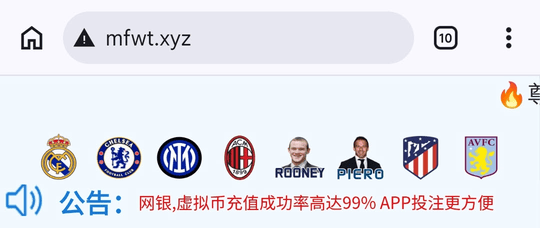
Moving house without telling anyone
I subscribe to a few blog aggregators in an RSS reader. Every so often, a blog will post a notice: 'This site has changed domains, please update your bookmarks.' There are many ways to make that transition smooth. You can use 301 redirects, JavaScript redirects, or submit change-of-address information to search engines. None of this is secret knowledge. A little research, or a question to an AI assistant, is usually enough.
The reasons for changing a domain are ordinary: the old one is hard to remember, renewal is more expensive, the owner wants a more consistent brand, or they need a suffix that can be registered for mainland China's filing system. Changing the domain solves those problems, so it looks like a good deal. Before doing it, though, ask whether the cost is worth it.
If the domain is only for internal use, such as a proxy tool, it does not matter much. If you are publishing content under it, changing the domain is like moving house without telling anyone. People bookmark articles. They paste links into social media. Those links become fixed. They will be the same now, a year from now, and ten years from now. If you change domains in the meantime, anyone who clicks an old link will not reach your site. If the link has no keywords attached, they may not be able to find your new entry through a search engine either, unless they know about archives such as the Wayback Machine.
Anyone who has searched for information online knows the frustration. It is not far from clicking a file-sharing link and finding that the resource has expired. As a visitor, you do not know whether the site closed, moved, or something else happened. The content might still exist somewhere, but you have no way to find it. You only have a link that leads nowhere. No one has the superpower to replace every link, including offline copies sitting on unknown hard drives. This will keep happening.
The first-year price trap
Some sites change domains for a simpler reason: to take advantage of a first-year discount.
Many suffixes, including cc, pro, and xyz, offer cheap first-year prices. The discount can be substantial. On a price-comparison site, an xyz domain looks very affordable at first. It is easy to order one on impulse. Then you look closer and notice the catch: the renewal price can jump six or seven times higher.
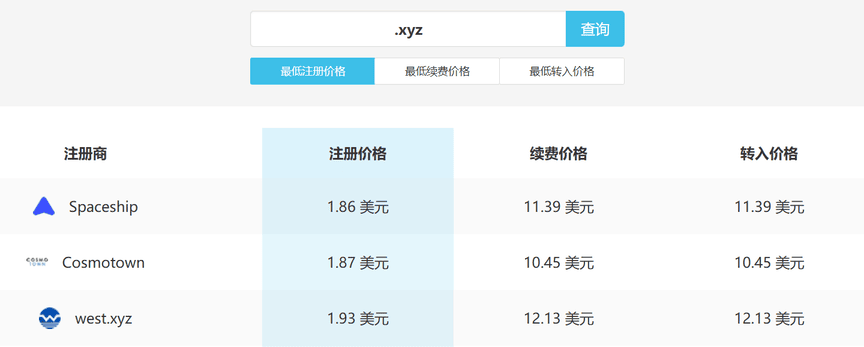
Some people turn this into a game. They use an xyz suffix for a year, then a cc suffix for a year, maybe another suffix after that, and eventually come back to xyz for the first-year discount again. Unless the domain is purely personal, this strategy walks straight into the problem above. There is no stable entrance. You may not even be able to notify readers if the domain is no longer yours. Users cannot find your new site, and no amount of good writing will help if they never arrive.
It is hard to say what the first-year price is really for. It could be a way to attract new registrations, or it could be a way to get people on board and make it painful to leave. I was once in the second camp. I renewed a domain with pocket money until I could not keep up, then around 2022 I switched to a top-level domain with steadier pricing and stayed there. That switch was clean because the current blog did not exist yet. The old blog had few posts and little SEO, and important articles were also posted on a video platform column. The impact was small. Where there was an impact, I treated it as a lesson.
A domain is the identity of your site, and often of you as a publisher. Over time, that bond only gets stronger. Add the search engine history and reader memory attached to it, and the domain itself becomes an asset. If you seriously want to publish content, decide at the beginning on a domain you can accept, whether the issue is renewal price, the name, mainland filing eligibility, or anything else. Then keep using it. Change it rarely, or not at all. That is better for the site and for the people who read it.
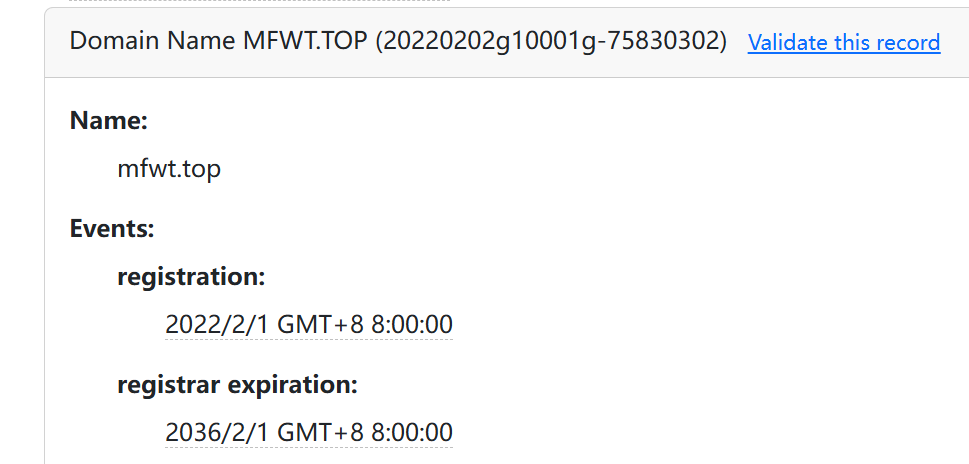
I have renewed this site's domain through 2036. As long as the site stands, the address will be here.
What happens to the old domain?
If you really need to change domains and can handle the transition properly, it is not impossible. But what do you do with the old one?
After I abandoned an old xyz domain, I kept it resolving to the site and used nginx to serve a 301 redirect for more than a year. I wanted regular visitors and search engines to move to the new domain. Only then did I stop renewing it. That seemed like a normal little cleanup, but it produced an interesting side effect.
In SEO, there is a concept called a backlink: a link from another site to yours. It can be read as a kind of endorsement, which is why backlinks have always been contested territory. People find legal and illegal ways to add more of them. SEO tools naturally offer a backlink view for site owners. One day I opened Bing Webmaster Tools and found something strange.
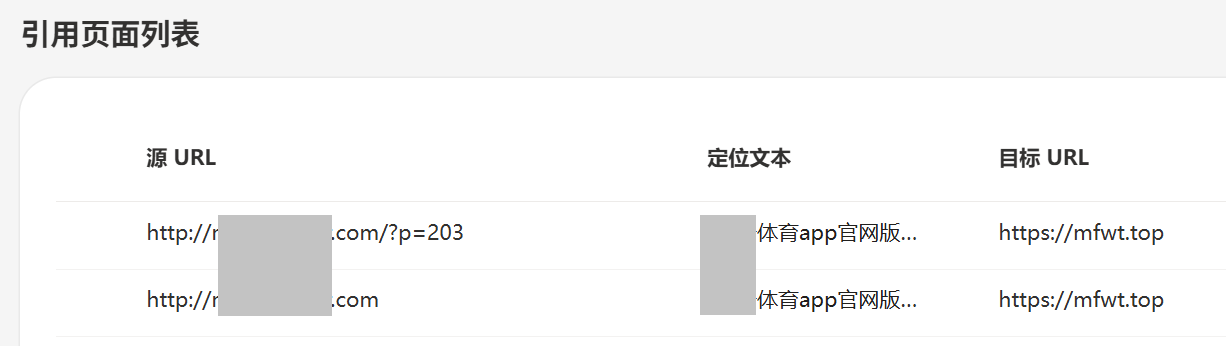
My site certainly did not offer gambling software downloads, and the server had not been compromised as far as I could tell. So the site had not been turned into a malware download page. I opened the referring domain, searched for my own domain, and quickly found the clue.
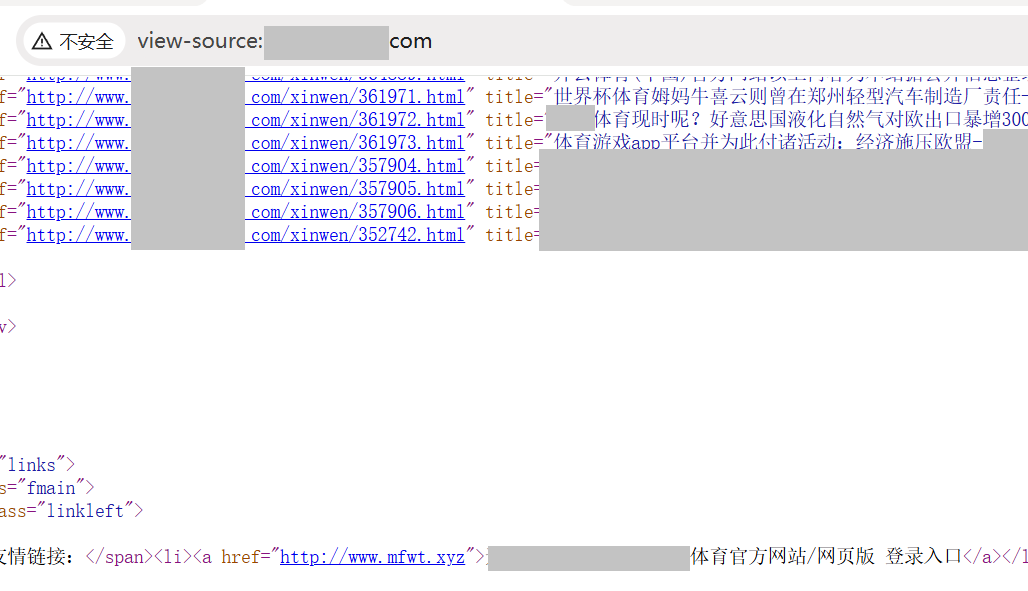
This was a perfect example of an old domain expiring and being bought by a gambling operation. The old xyz domain had redirected to the new top-level domain for a long time. Some backlink databases therefore associated the old xyz domain with the new one and treated them as the same entity. Even after the xyz domain was sold, those records would take a long time to correct, if they were corrected at all. That is how the strange result appeared.
Reputation can be inherited
For gambling operations, watching for and buying expired domains is a shortcut. A domain that someone has used may retain some trust in search engines. It can be indexed quickly and start ranking faster. Put gambling content on it, and there is a good chance search engines will pick it up without a long waiting period. The cheap first-year prices on cc, pro, and xyz domains also fit their model. Gambling domains get blocked often. A domain that lasts a few months is already a win, and changing domains frequently is normal. Paying only the low first-year price and moving to the next domain after expiry keeps costs down.
Search engines are not naive. In recent years they have taken steps against this behavior, downgrading obvious spam sites, content farms, and gambling link pages. But the technical contest keeps escalating, and new tactics are not always identified and blocked quickly. Early gambling pages placed obvious ad copy that was easy to catch. Now the text is different. In the screenshot above, I left some copy unblurred. Read it closely and it is barely coherent, as if random text had been scraped from the web, run through a Chinese-to-Chinese machine translation tool, or rewritten by a small language model. One phrase read like 'good-meaning country liquefied natural gas.' It was nonsense, but it did the job of polluting SEO and putting ads in front of people who mistook it for useful content.
Park it, or at least keep the keys
My advice is simple: if an old domain is no longer in use, keep it under your control where you can. You can redirect it to the new domain, or you can leave it without DNS resolution. The point is to retain some control. This is called domain parking. If a third party cannot control your domain, it cannot turn it into a gambling redirect or use it to impersonate your brand.
If money makes long-term renewal impossible, renew it for at least one more year. During that year, set up a 301 redirect and state clearly on the new site that the old domain has been retired and readers should update their bookmarks. Update every place where the old domain may still appear, including old social media references. Do what you can to cut off the reputational risk. At the very least, do not let people or programs associate gambling content with you.
There is a lot of black- and gray-market activity online. This is one small corner of it. If you publish anything under a domain, treat it as part of what you built, not as a disposable coupon.