Chongqing is the largest of China’s municipalities by area, and once you start moving between its outlying districts, that fact becomes very concrete. On this trip I went through Dazu, Fuling, and Wulong, which also turned into a small firsthand look at what people like to call the sinking market.
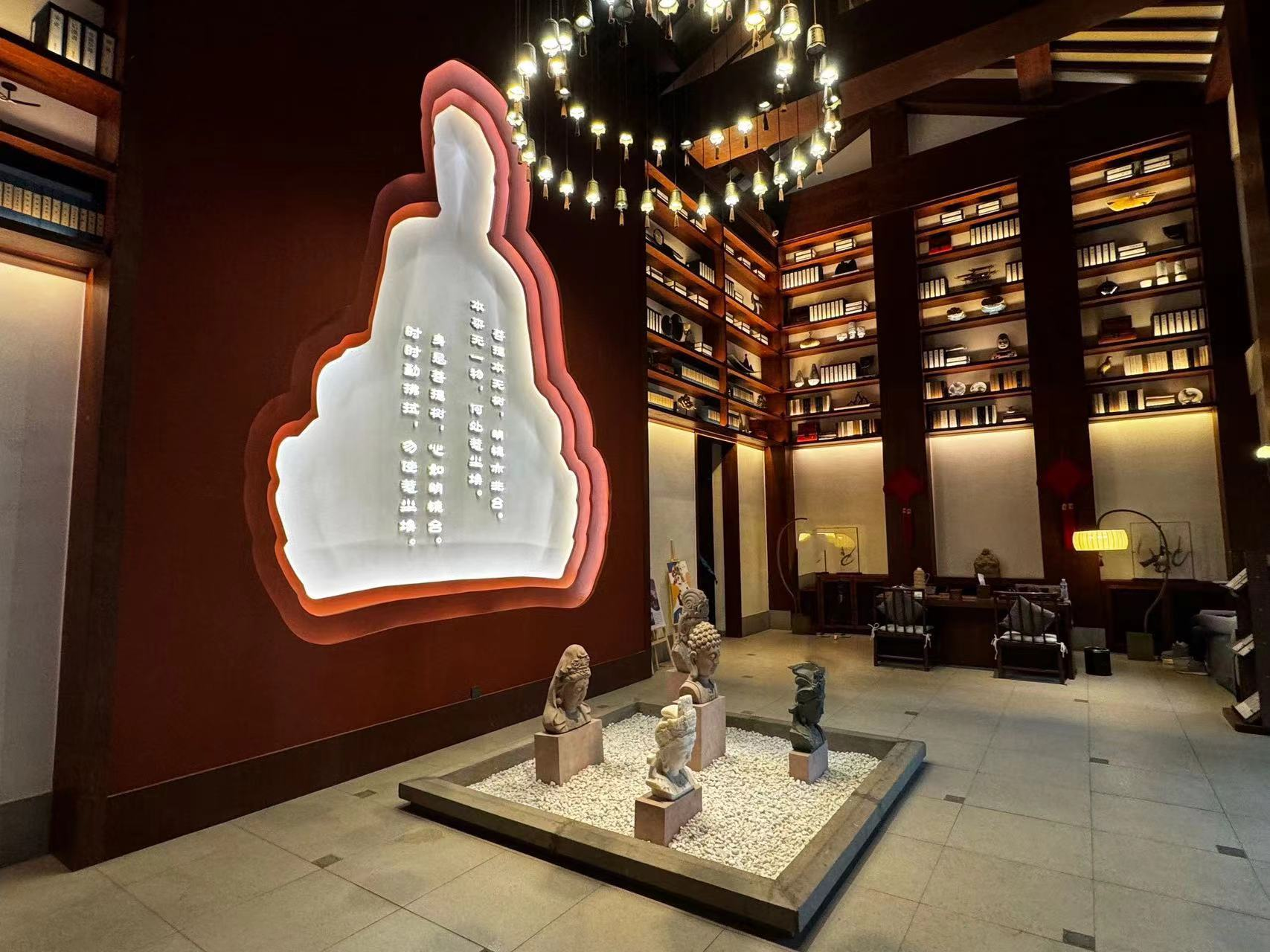
Dazu was the first stop. It is best known for the Dazu Rock Carvings, and perhaps because of that, parking around the urban commercial streets was a nightmare. Circling around again and again looking for a space ended up being my strongest impression of the place. The hotel there was a chain property, Kaiyuan Guantang, right at the entrance to the scenic area and next to the commercial street near the rock carvings. The setting and the room were both solid, and it made for a pleasant start to the trip.
A small piece of food trivia also came up there. The yuxiang shredded pork I ordered at a restaurant was dismissed by locals as not authentic Chongqing style. Since Dazu is close to Anyue in Sichuan, the explanation I heard was that traditional Chongqing yuxiang shredded pork is basically stir-fried pork with scallions, without ingredients like celtuce or wood ear mushrooms. That was genuinely surprising.
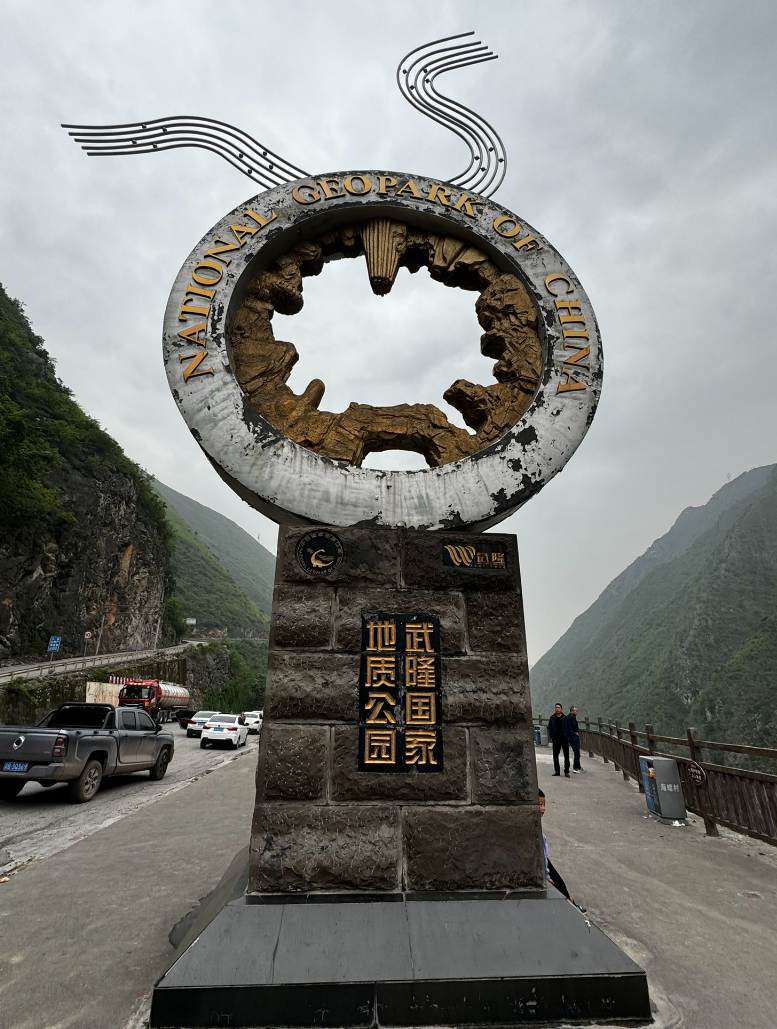
Traveling between Chongqing’s districts takes time. The drive from Dazu to Wulong is around three to four hours. If you take the expressway, it is tunnel after tunnel the whole way. If you avoid the expressway, then it becomes one winding mountain road after another, and the route asks a bit more of the driver. The national highway running along the Wu River is G319, already within the area of the Wulong Karst National Geology Park, and along the way you can spot some impressively ugly landmark signs.
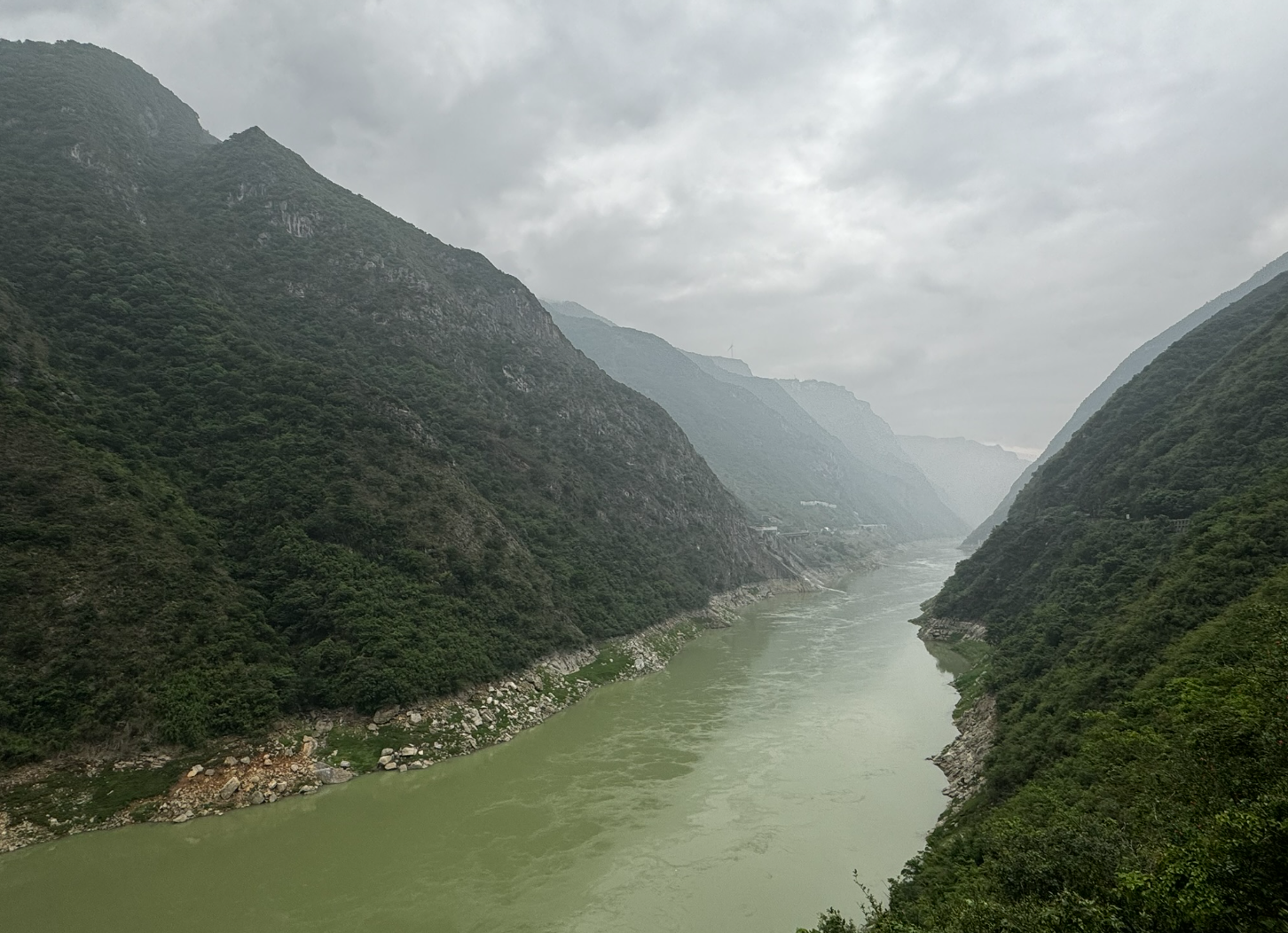
Some of the viewpoints over the Wu River were worth a stop. The weather, unfortunately, was poor, and everything looked washed in haze. Nice enough, but still not something I would put on the same level as the Yangtze.
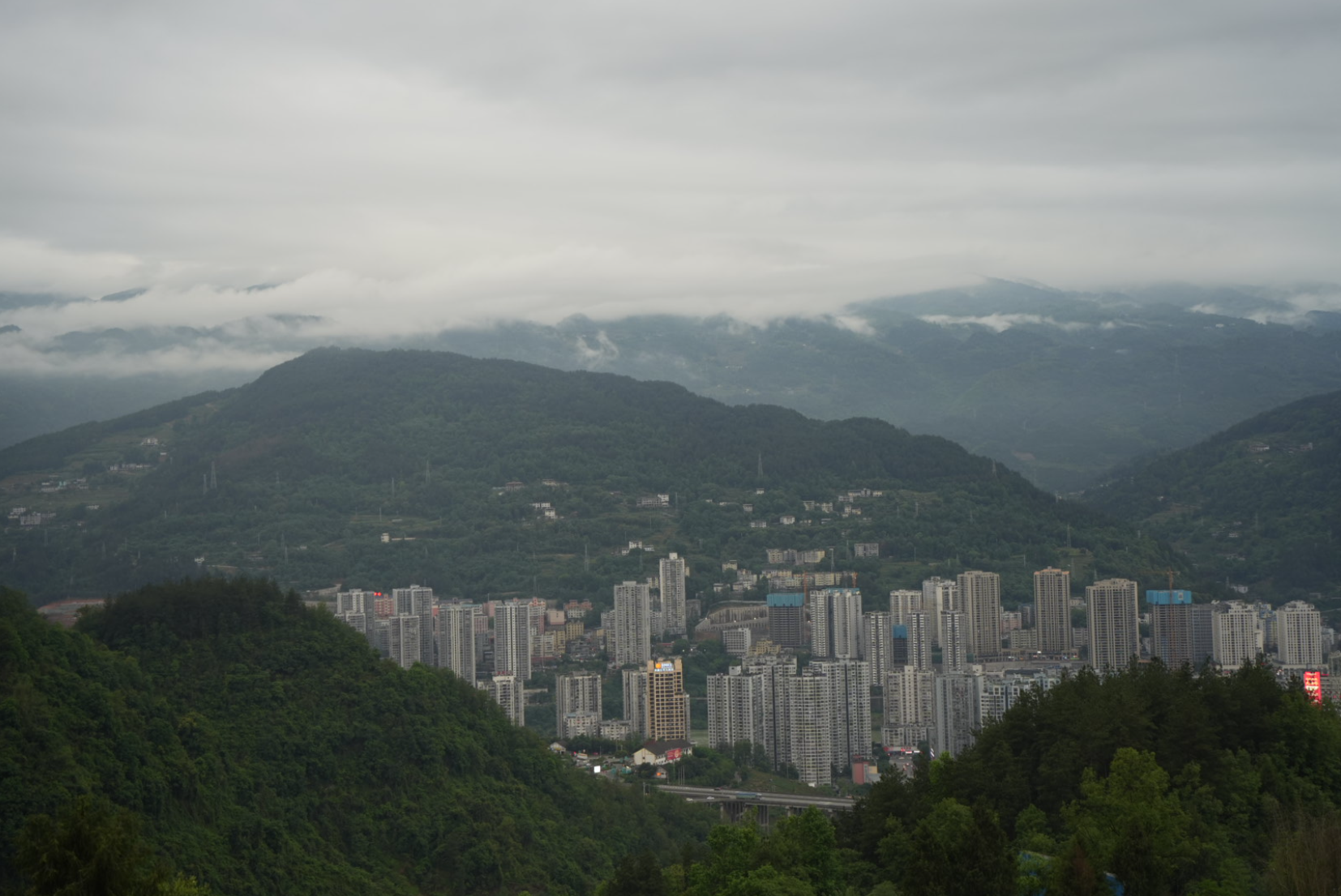
Getting into Wulong meant driving a lot of switchbacks. From a distance, the county seat looked tucked into a mountain hollow. Near the scenic area, there was no decent chain hotel to speak of, so I ended up in a guesthouse that was hard to praise and absurdly expensive for what it offered. That seems to be one of the realities of internet-famous destinations: if someone builds a proper hotel, business dries up outside peak season; if the market is left to guesthouses, management and facilities rarely compare.
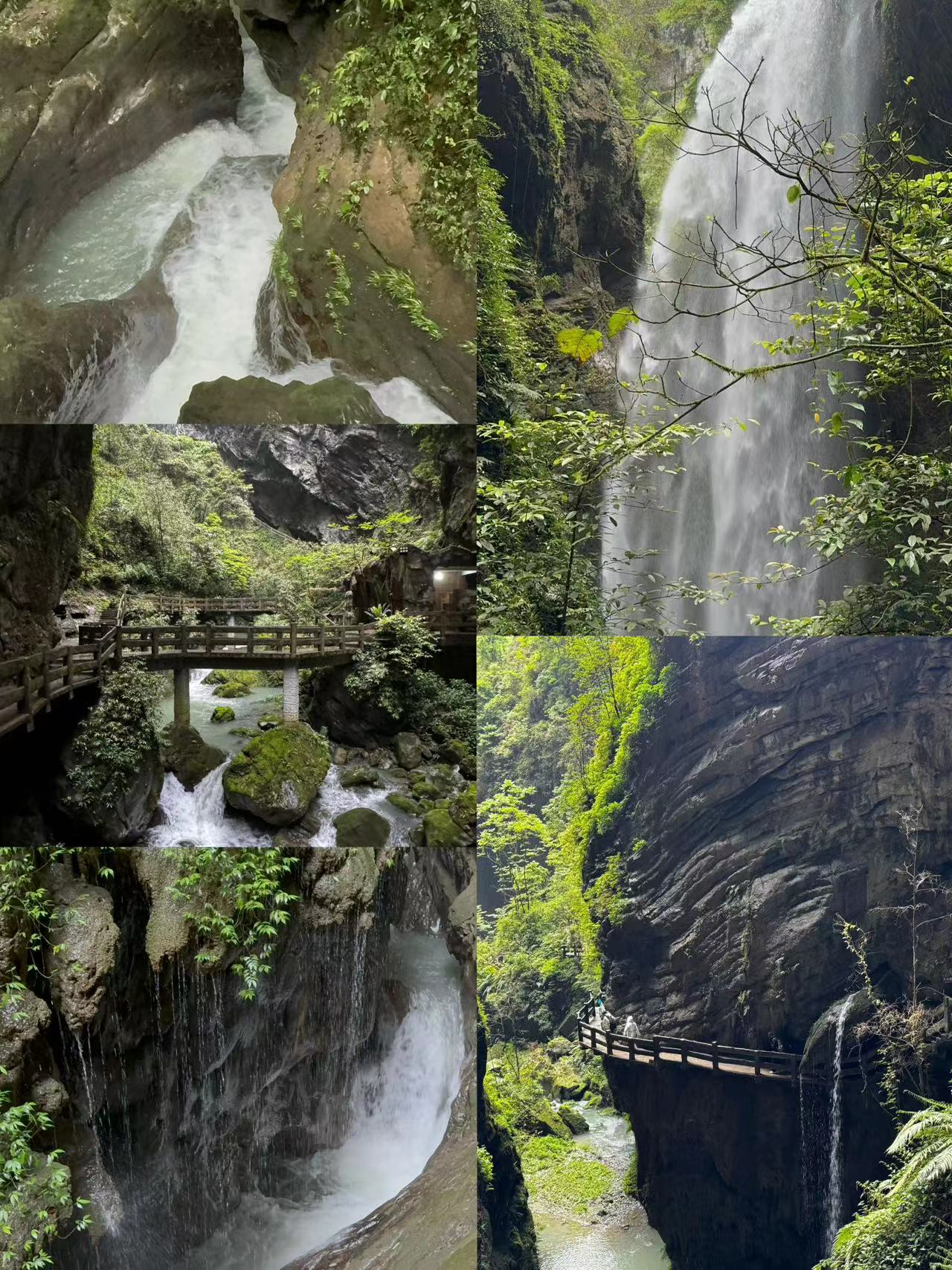
Wulong became widely known because of Curse of the Golden Flower. The scenic area is split into two main sections: the sinkholes, also called the Three Natural Bridges, and the fissure. With mountains, streams, cliffs, and dense vegetation, it is definitely worth visiting. Over the May Day holiday, there were fewer people than I expected, though the elevator line still took nearly 40 minutes. Yes, both at the sinkhole and the fissure, if you do not want to hike the mountain paths, you can take elevators that go straight down into the scenic area.
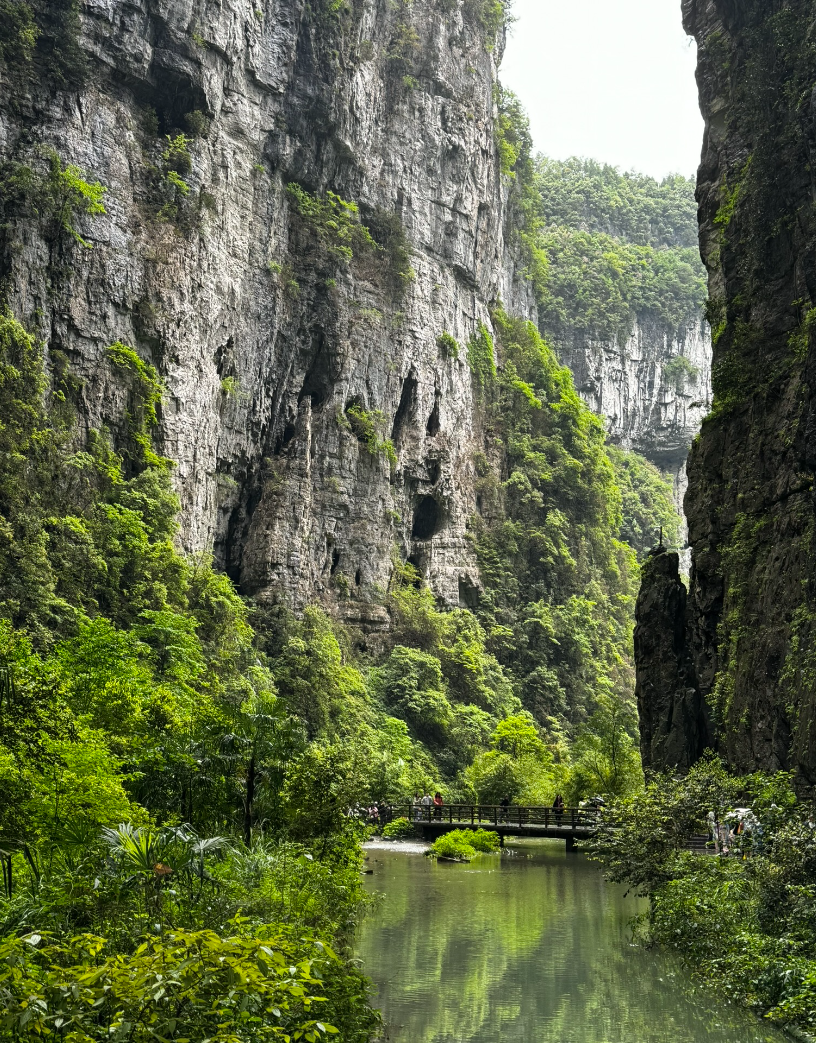
The most recognizable spot in the sinkhole is Tianfu Official Post, famous for appearing in the film from that exact iconic angle. I had somehow always remembered the name incorrectly.
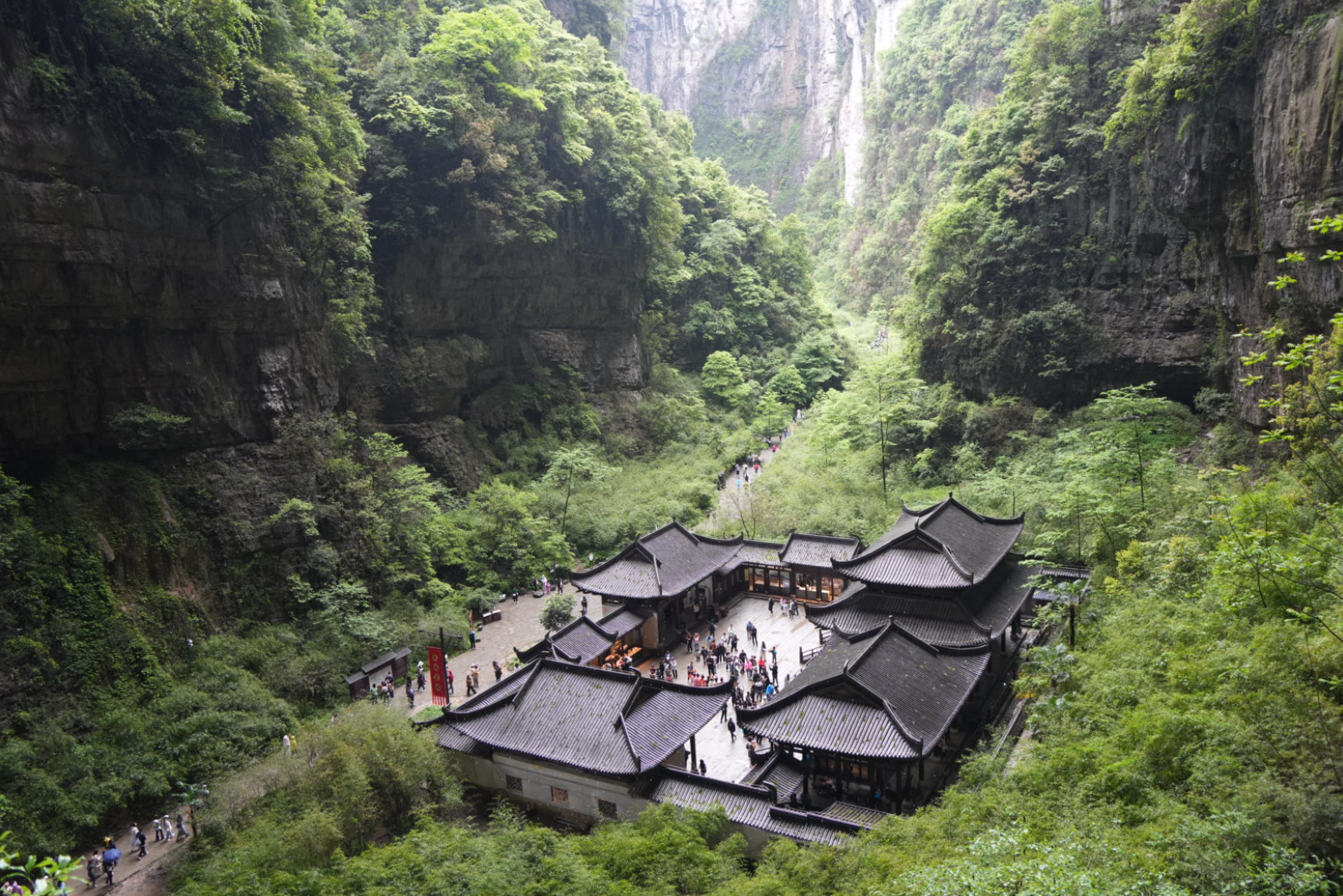
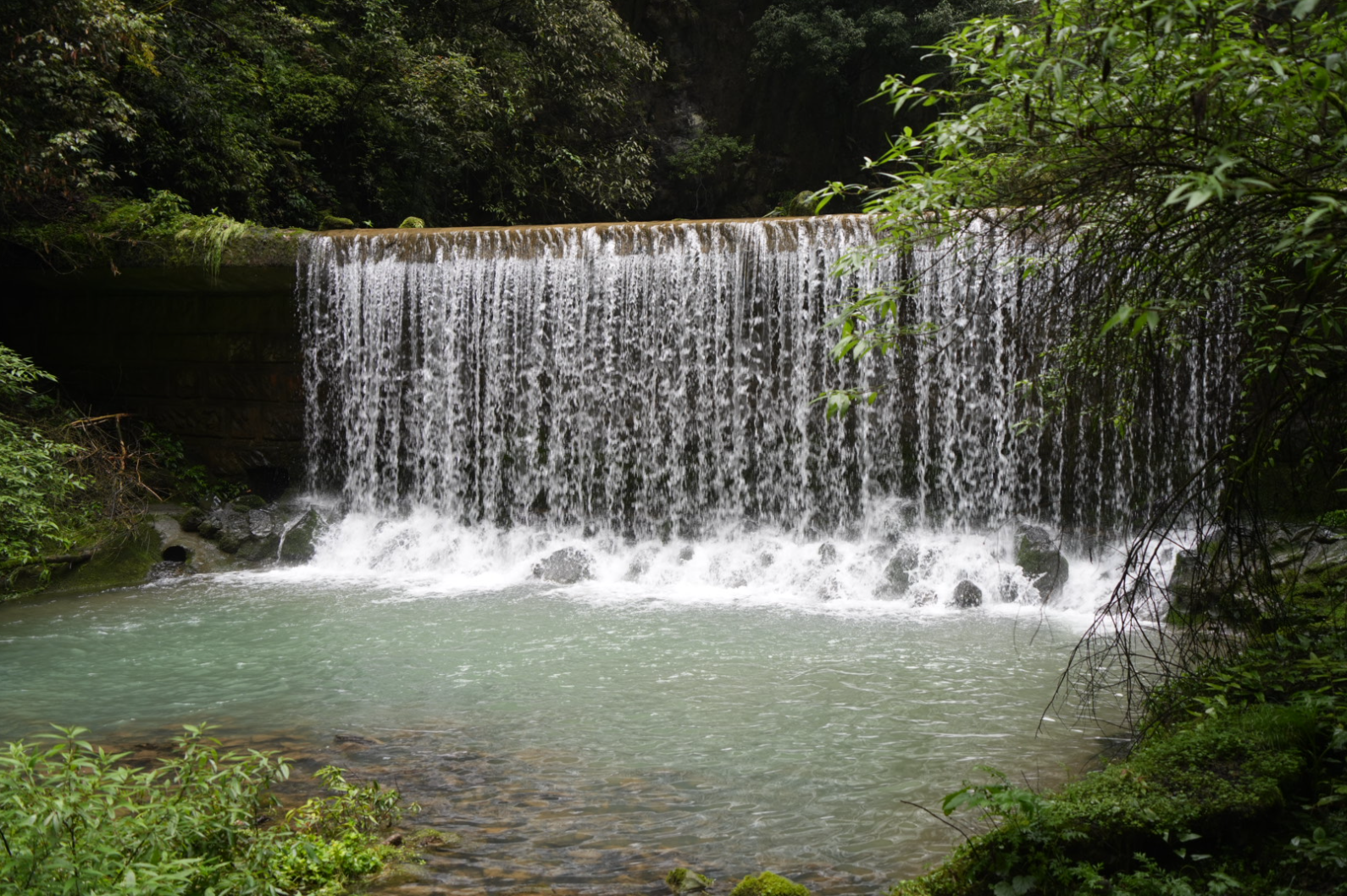
If you go down by elevator, the route through the sinkhole is basically one-way from Tianfu Official Post to the exit. Along the path are the celebrated three natural stone bridges, plus various oddly shaped rocks and pools that seem to invite imaginative naming. Following the stream is one of the pleasures of the walk: the water gradually gathers, turns into a lovely little river, and wherever the terrain drops, it forms elegant waterfalls.
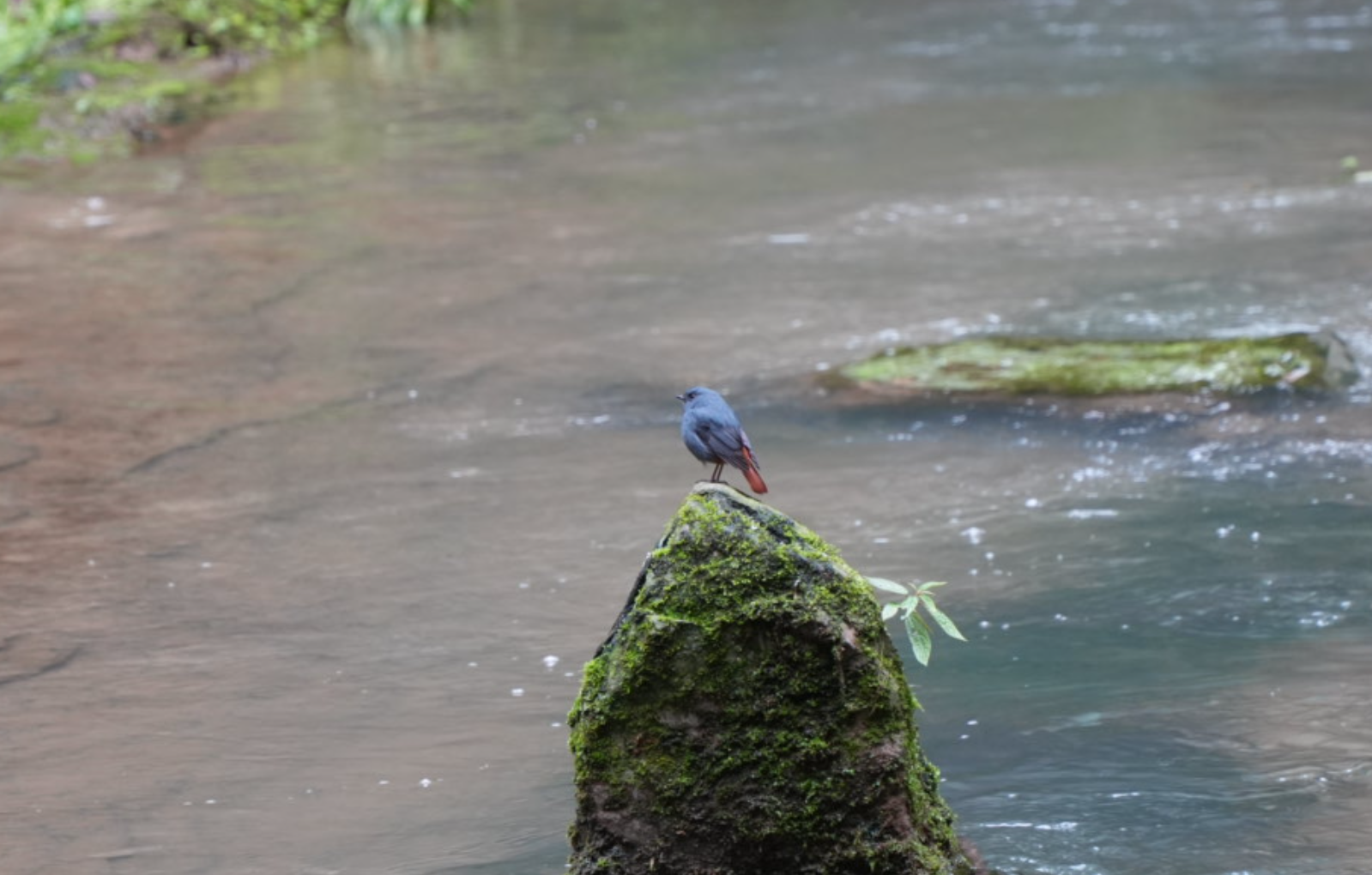
I also spotted a beautiful bird. Later, someone in a group chat told me it was a Plumbeous Water Redstart, a species commonly found along clean streams. The joke explanation was a pun on its Chinese name, but the more interesting part is that because the aquatic life it feeds on depends on good water quality, the bird can be treated as a kind of environmental indicator. I had recently bought a new camera, and suddenly bird photography became much more fun.
Compared with the sinkhole, the fissure had even fewer visitors, and the walking was tougher. There were waterfalls and running water all the way through. Online advice said to wear a rain poncho or risk getting soaked. In practice, an umbrella was enough, and if the weather is not cold, getting a bit wet is no big deal since you dry quickly. The route rises and falls constantly, with the sound of roaring water never far away. It is not an experience you get very often.
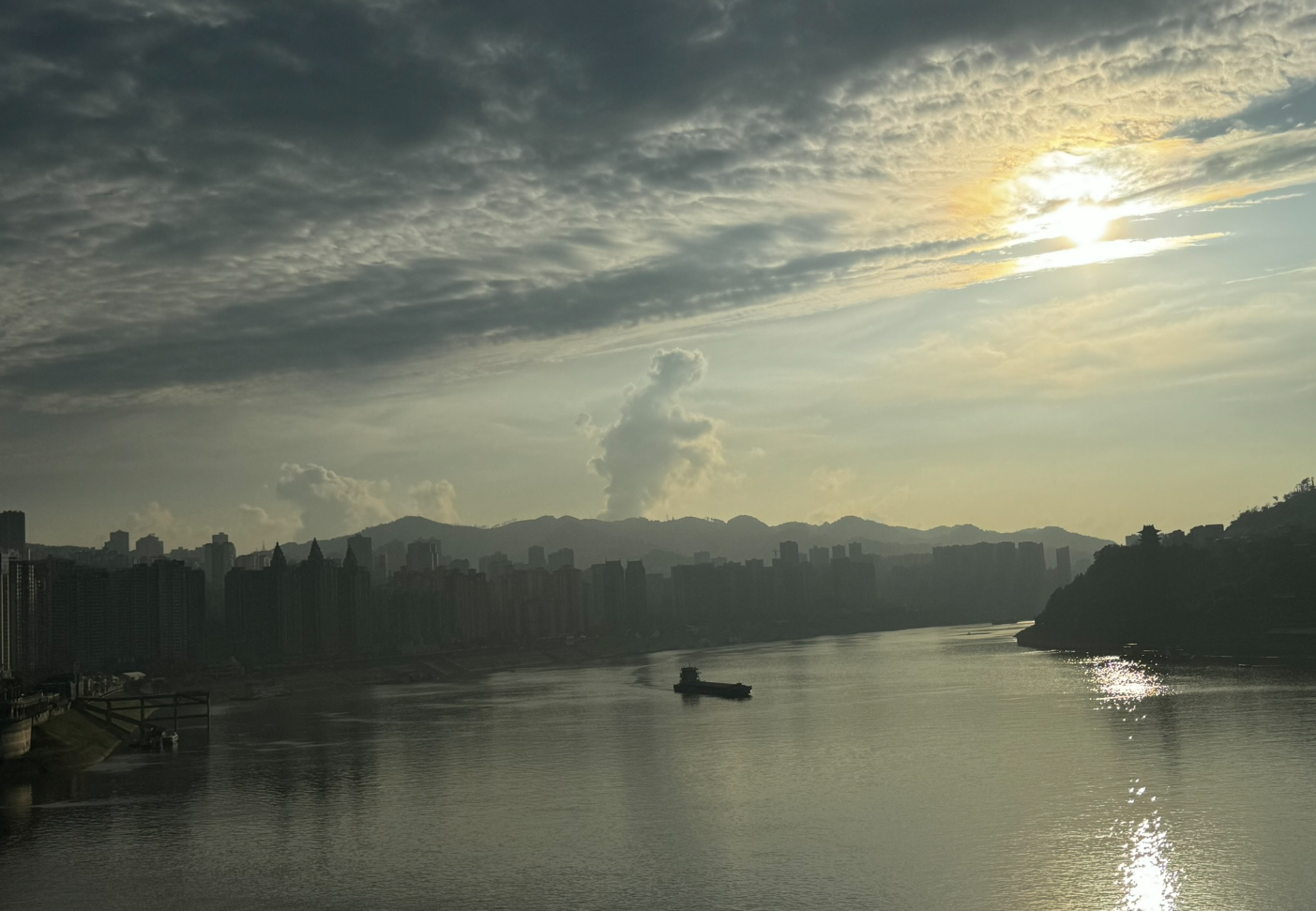
On the drive to Wulong, you pass through Fuling. Fuling is famous in food culture for its preserved mustard tuber, and in literary circles because of Peter Hessler’s River Town. By coincidence, the hotel I stayed in sat right near where the Wu River meets the Yangtze. From there you could watch sunset light over the water and cargo ships moving back and forth, though once again the weather refused to cooperate.
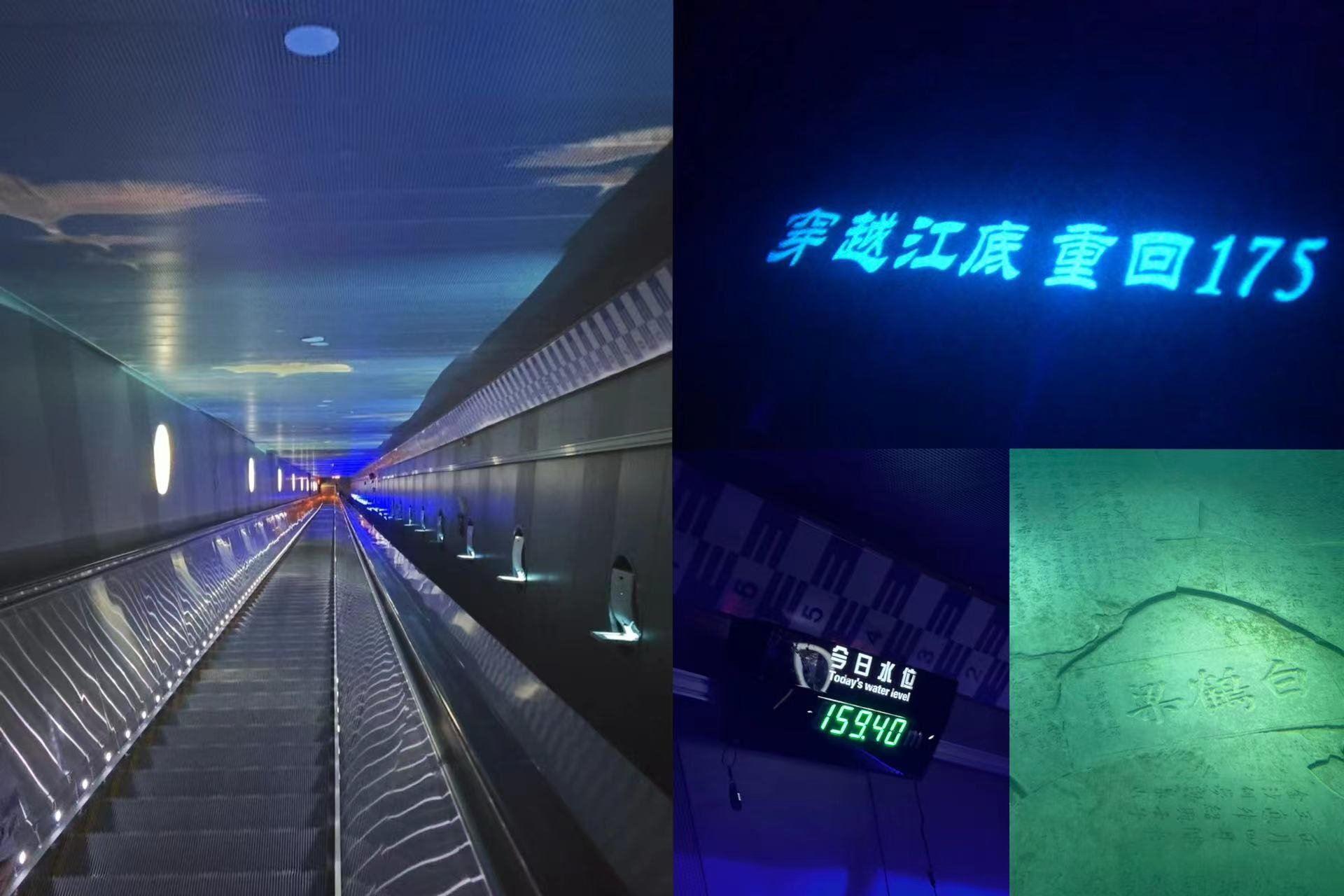
A great deal of Fuling’s history now lies underwater because of the Three Gorges Dam. The well-known nuclear project required advance reservations, so there was no chance of getting tickets on the spot. Instead, I visited the Baiheliang Underwater Museum. It also had fewer visitors than I expected, probably because people who come to Chongqing often do not venture far into the surrounding districts, and Fuling is among the least eye-catching of them. Taking the elevator down to the riverbed felt strangely like stepping into a science-fiction time capsule. The sensation of being 160 meters underwater was far more memorable than simply viewing inscriptions.
I did not stay long in Fuling. Much as I like River Town, this trip did not really deepen my understanding of the place described in the book. Three decades have passed, and everything has changed beyond recognition. I also tried the well-known Chentiangui tofu pudding shop and found it entirely ordinary. I could not really see why so many people rave about it.
And that was the end of this little excursion around Chongqing’s edges.