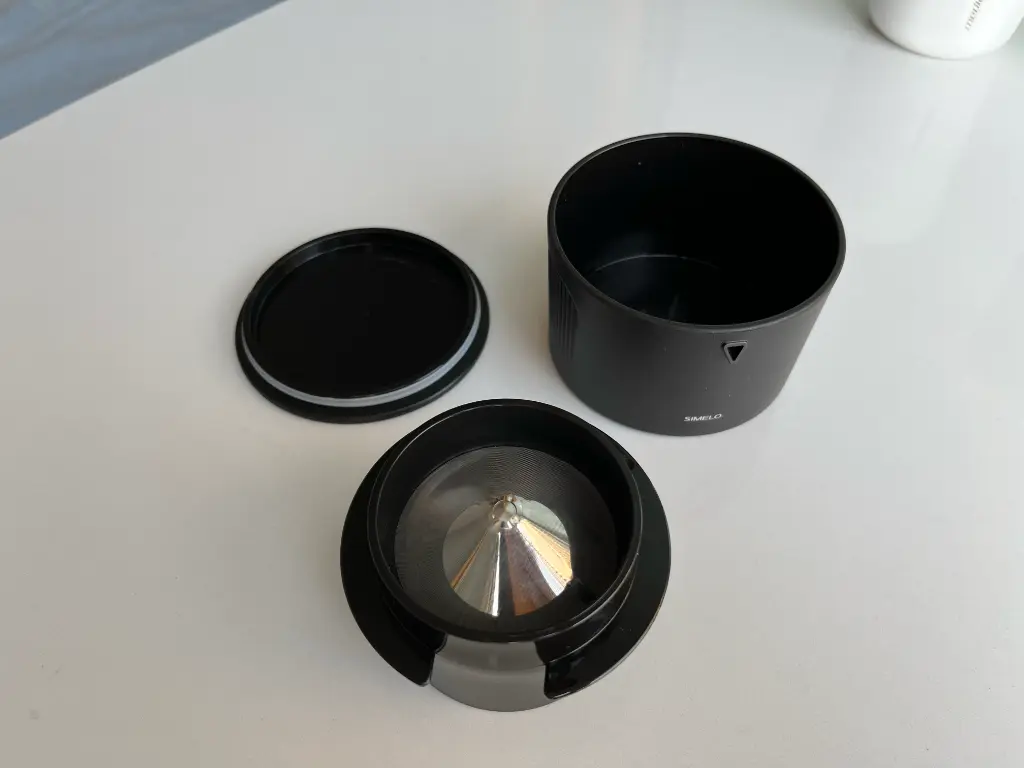
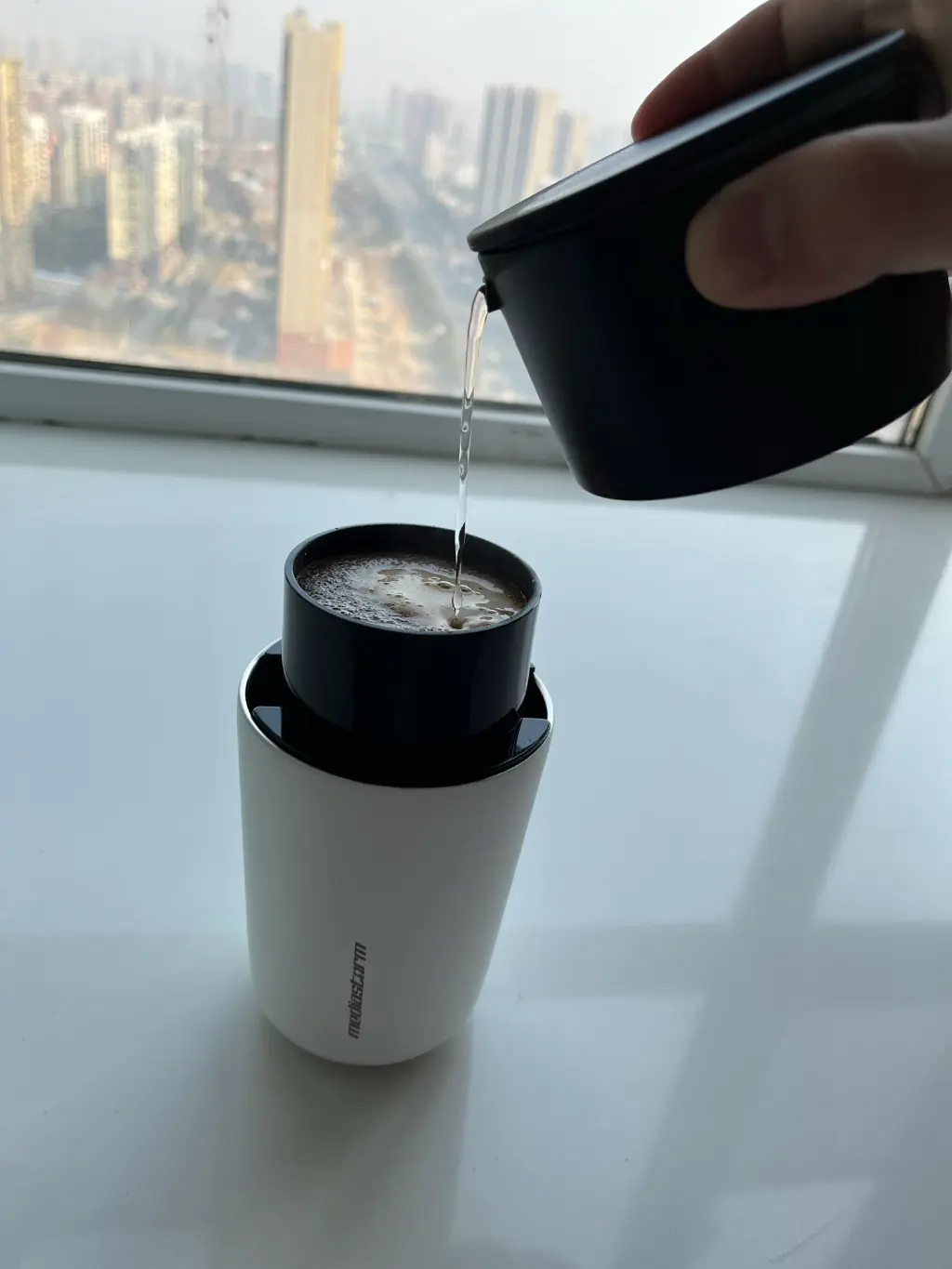
I started this coffee experiment because I wanted cheap Americanos at the office. That meant portability mattered more than ceremony. A portable pour-over set looked like the obvious answer: a stainless steel dripper and a mini pour-over kettle, with the dripper nesting inside the kettle to save space. At a normal grind, it did a decent job — close enough to a drip bag that I felt encouraged.
The grinder decision was where I stumbled. Electric grinders started around 88, while manual ones were 300+. That price gap surprised me. A Bilibili video also made hand grinding sound exhausting, so I bought the 88 electric model. I had no idea at the time that a cheap electric grinder would become the villain of the whole setup.
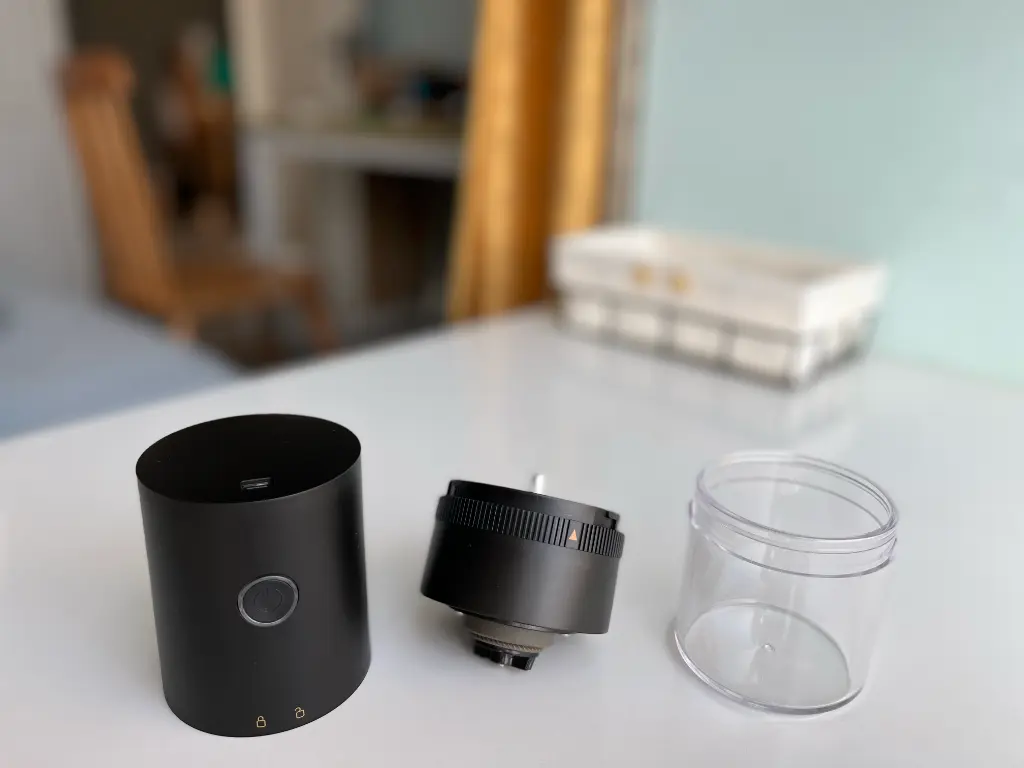
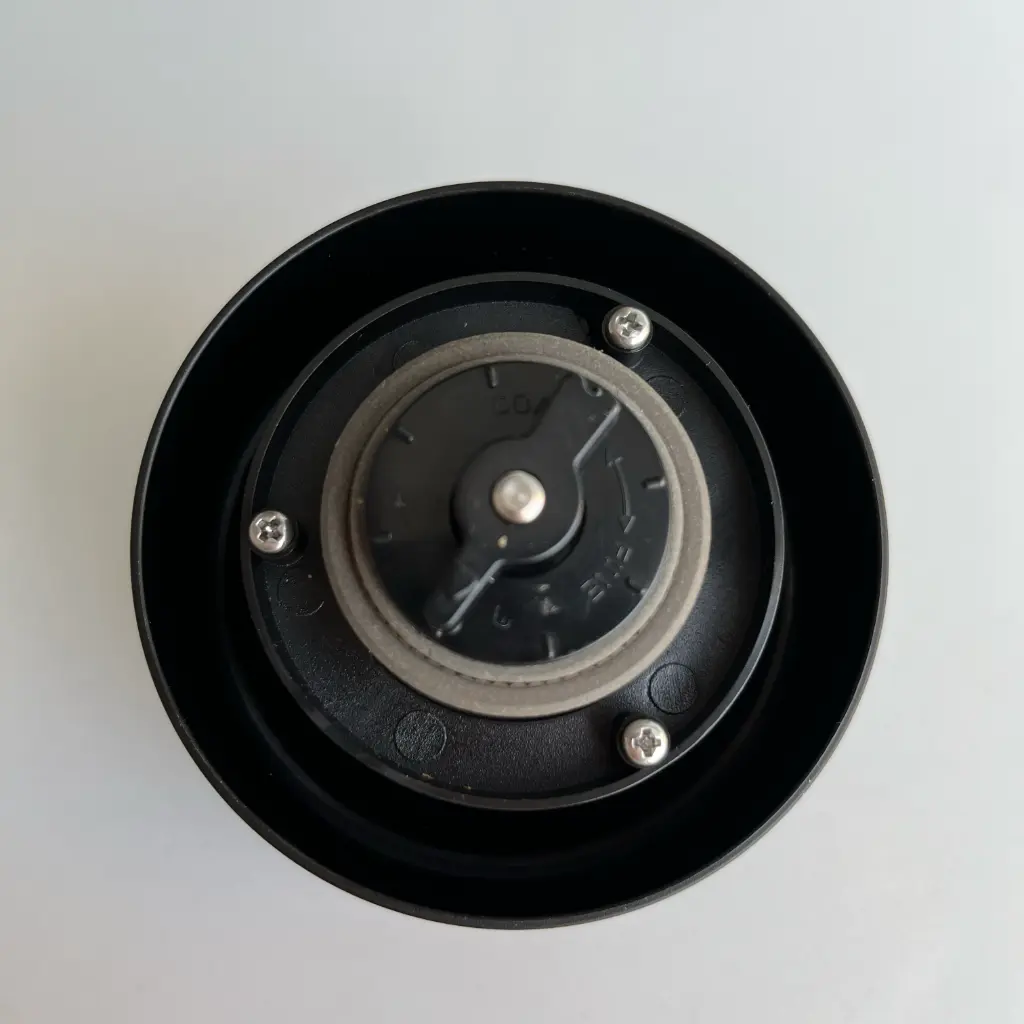
After a few uses, it was clear the grinder could not live at the office. It was loud and slow — five minutes of grinding noise while my coworkers gave me looks. The auto-stop function was unreliable too. It often stopped before the beans were done, sometimes in less than ten seconds, so I had to stand there and babysit it. The worst part was the grind settings. Coffee tutorials kept referring to a Comandante C40 setting, and I had no idea how to translate that to my machine. I wasted an entire bag of beans grinding too fine and choking the brew, and at the time I blamed the filter.
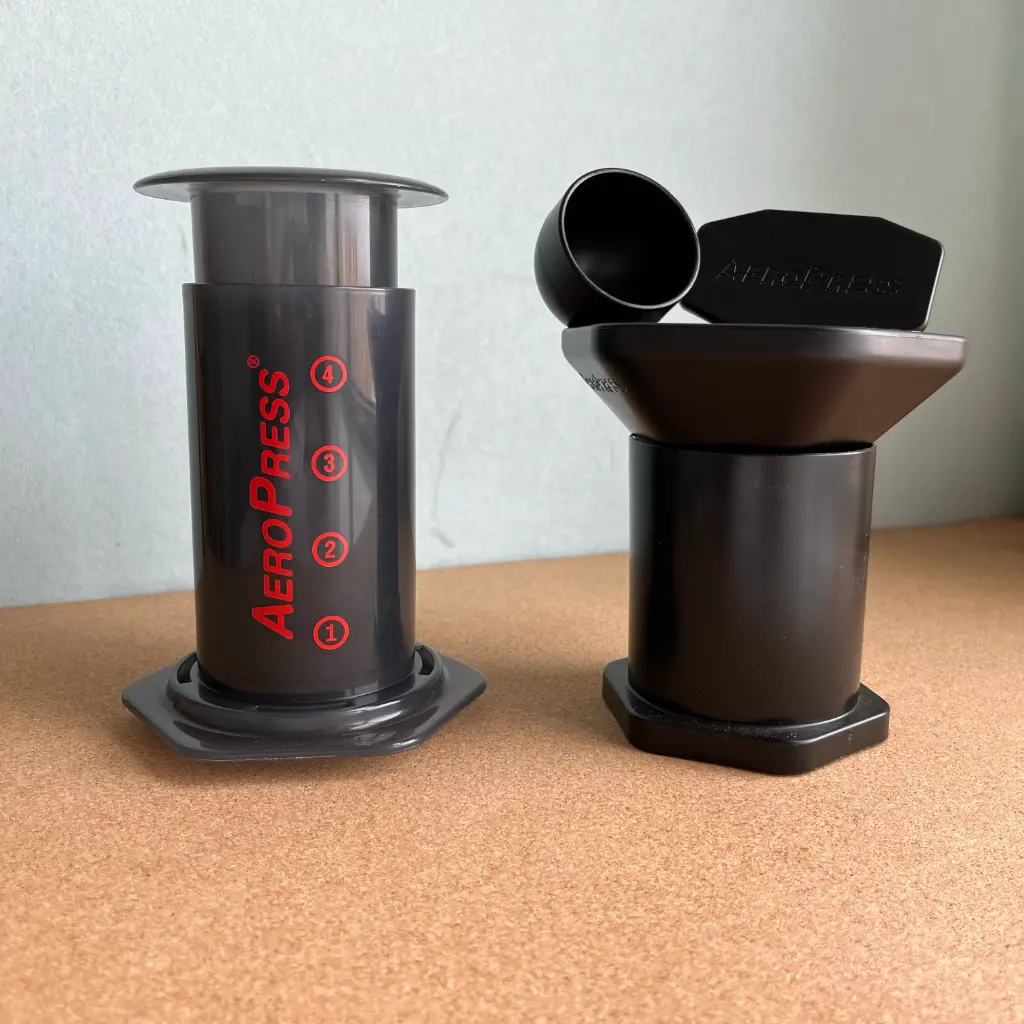
AeroPress solved the clogging problem. Because it uses manual pressure, the grind can be rough and it still pushes through. It is a simple syringe-like brewer: coffee and hot water go into the chamber, then you press the plunger and the coffee passes through a paper filter into the cup. It was invented by Alan Adler in 2005 and combines elements of drip and press brewing; grind size and pressing speed change the flavor, and pressure makes it relatively quick. It also had another advantage: as a popular brewer, it has a huge number of recipes and tutorials. The portable pour-over kit, by contrast, left me tweaking pour-over recipes on my own. With a coarse grind, AeroPress made good coffee. With a finer grind, it could produce a kind of pseudo-espresso with almost no crema. It was nowhere near a real espresso machine, but mixing it with milk for a dirty was fun.
Once AeroPress could not rescue the flavor anymore, I admitted the grinder was the bottleneck. I read up on grinders on Zhihu and bought a domestic manual model for a bit over 300 RMB. The first cup made with it told me everything: the cheap electric grinder had been a bad decision.
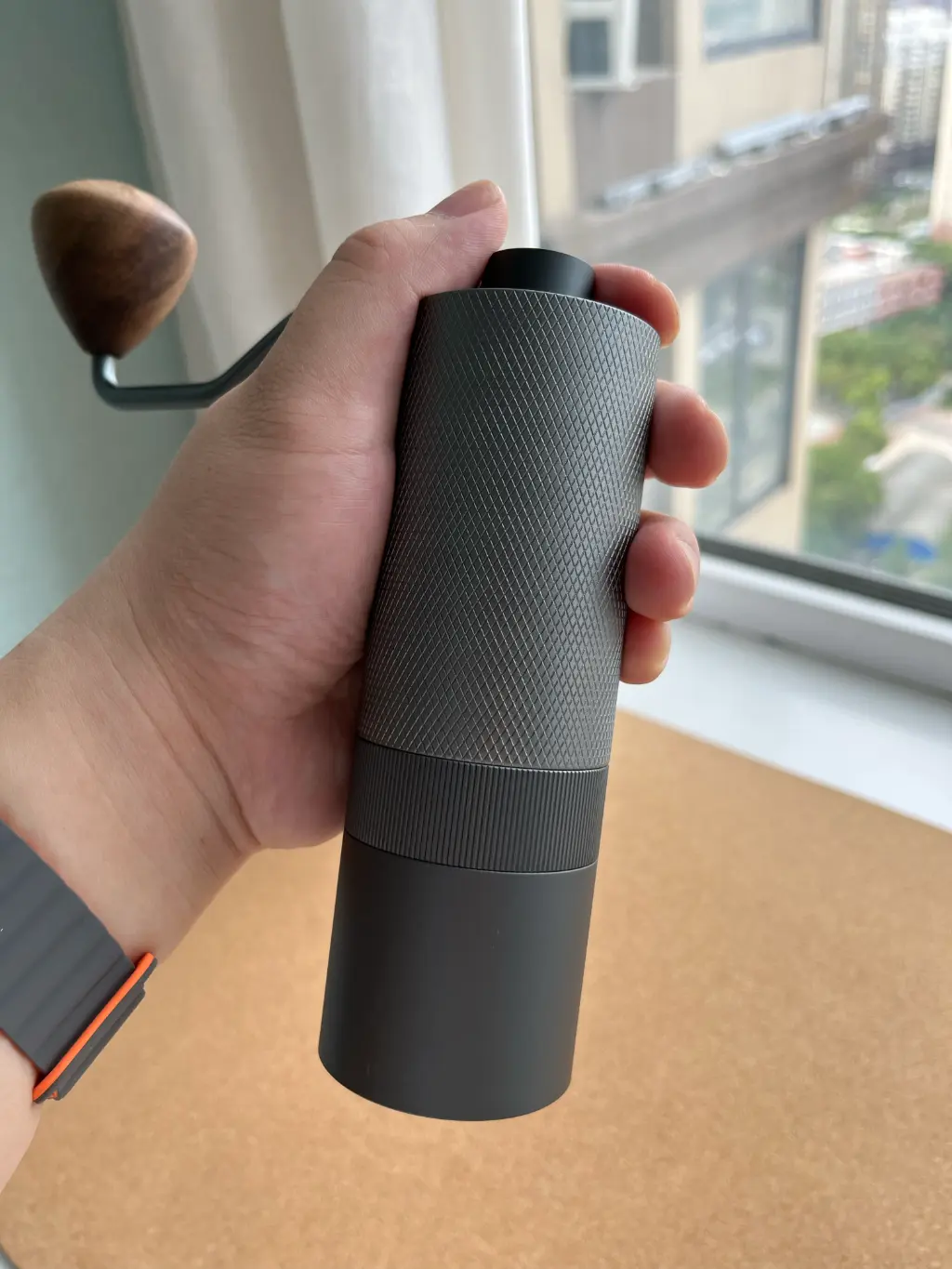
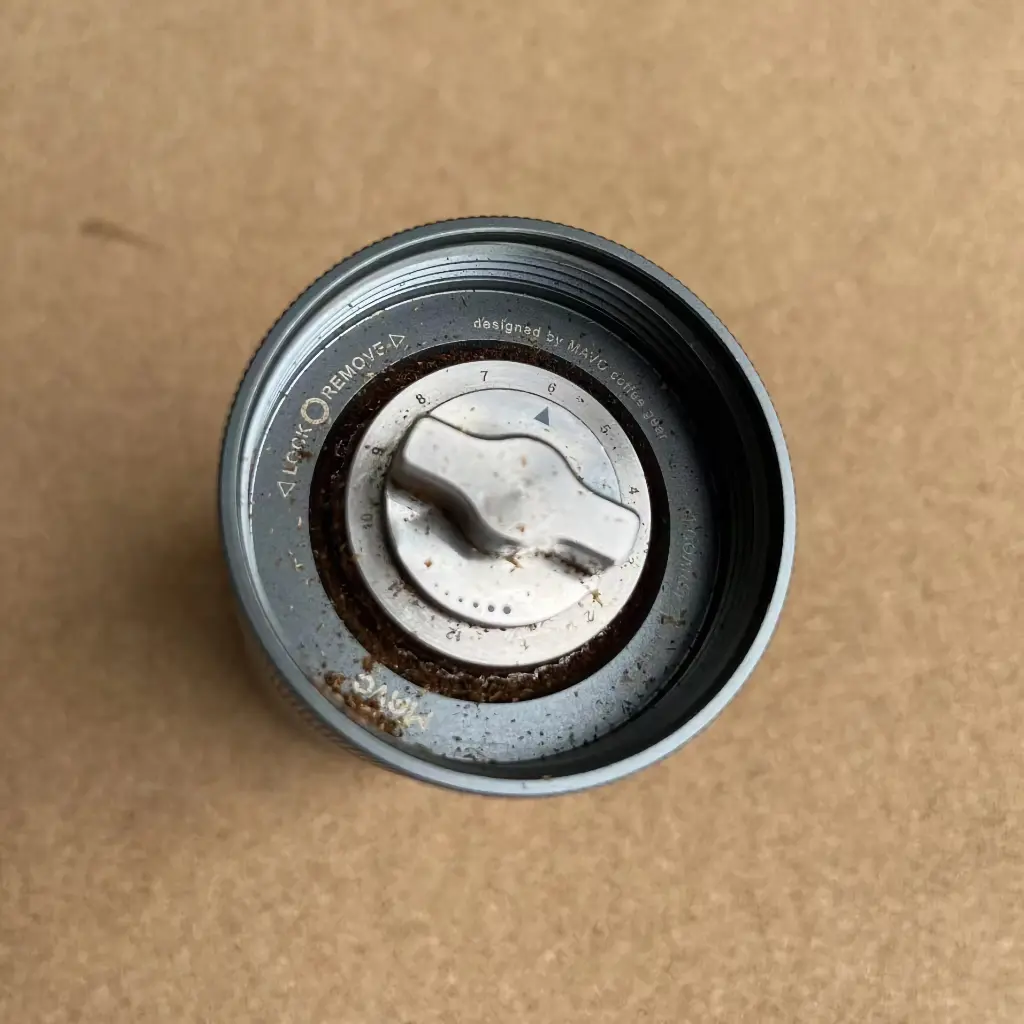
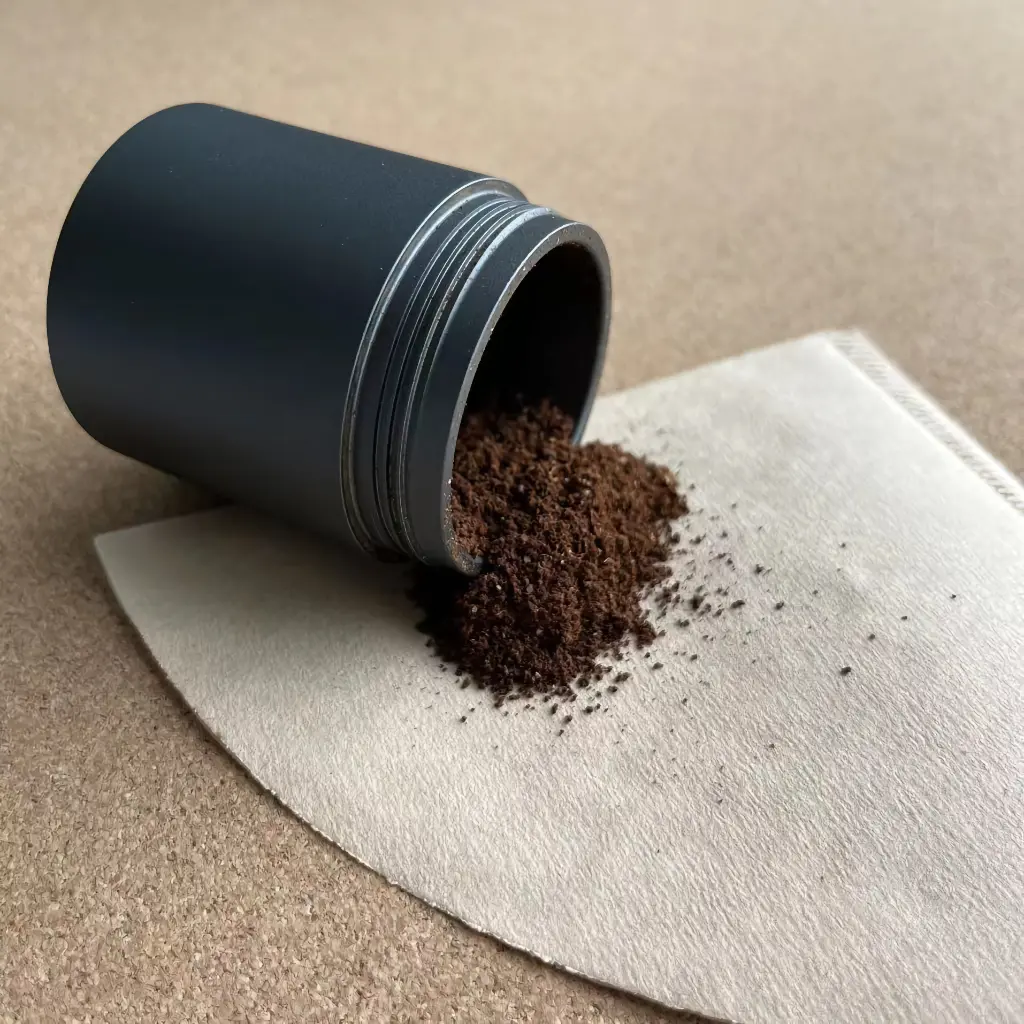
The new grinder has twelve clicks per revolution, like the Comandante C40, and the clicks feel mechanical and distinct. That solved my confusion about grind size. Without a motor, it is also about one-fifth as loud. It was faster than I expected: 14 grams at setting 16 took less than a minute, and I almost wanted to keep grinding. Even at setting 6, which is fine enough for espresso, I did not find it tiring. I will skip the brand to avoid sounding like an ad; domestic grinders in the 300 RMB+ range should be able to do the same.
Naturally, once I knew a little more, I wanted lattes and latte art. My budget was limited, so I tried one of the popular toy espresso machines on Xiaohongshu. The official flagship store order arrived with brown stains in the water tank, no single-shot basket, and no tamper. Customer service did not resolve it, so I returned it. While writing this, I remembered that I paid the return shipping myself and still need to ask for that money back.
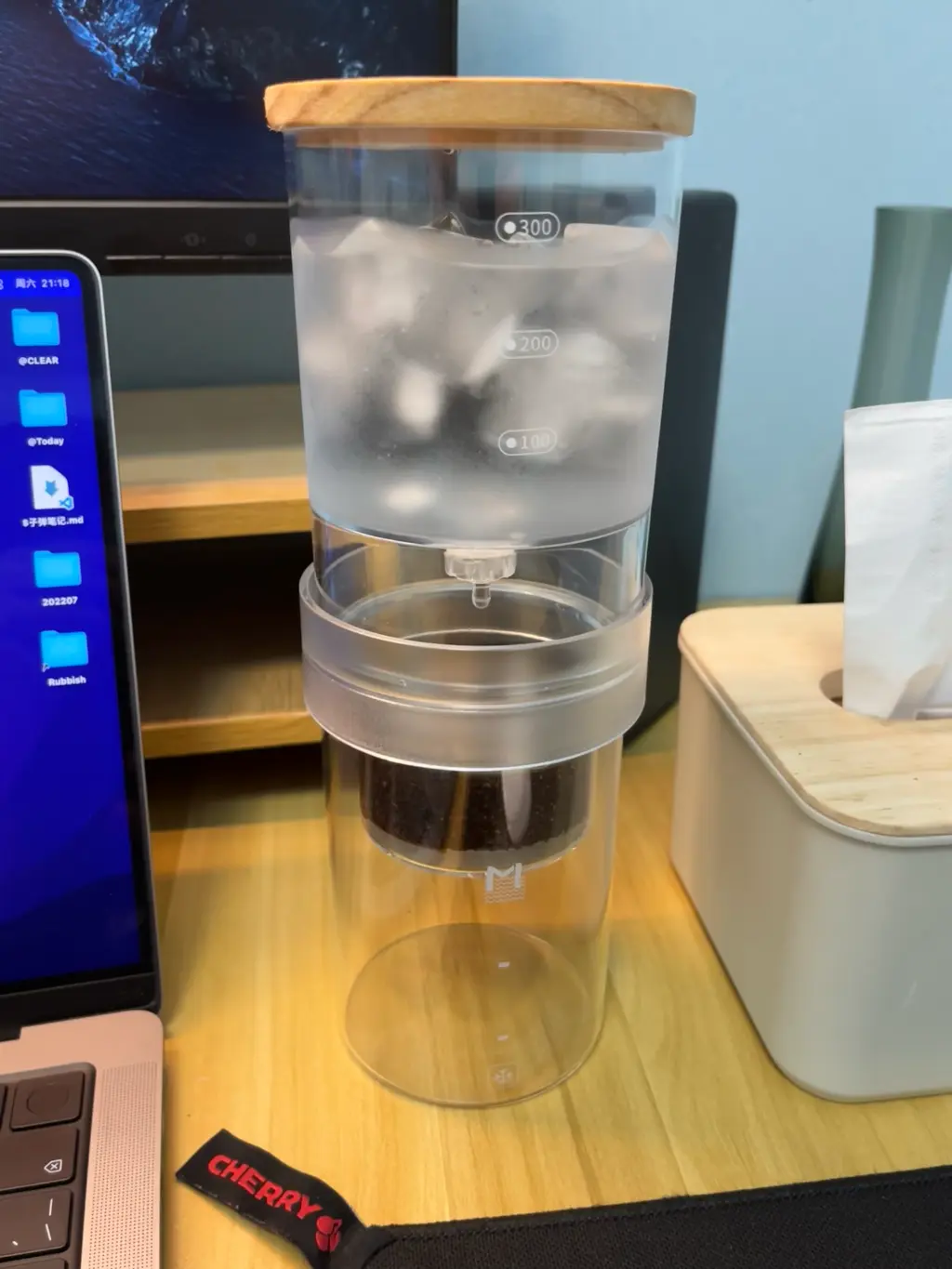
The cold drip maker was partly a visual purchase. Watching ice water fall drop by drop onto the coffee and slowly extract it has a lot of style, and it fits summer perfectly. The real surprise came after I drank the first cold-drip coffee: the same beans tasted completely different from a hot brew. In beginner terms, hot coffee tastes bitter, while cold drip has much less bitterness, so the other flavors get a chance to come forward. I still do not know whether that is simply how cold drip tastes or whether my extraction method is off.
While writing this, I bought another toy espresso machine and have been enthusiastically putting together my own coffee corner. Semi-automatic espresso machine accessories are expensive; a rough count suggests the parts alone could cost as much as one and a half toy espresso machines. I will cover the experience and accessory recommendations separately.
By winter, I expect to buy a pour-over setup. In summer, cold drip and iced Americano are enough, and pour-over does not really get a turn. There are many dripper shapes, but for a beginner I am leaning toward a V60. It is harder to control, yet it has a lot of room for experimentation and the most tutorials. I hope these notes help anyone thinking about making coffee at home, and I hope you end up with a cup you actually enjoy.