It had been raining for three straight days—the kind of sticky drizzle that turns into light or moderate rain, stops for a bit, then starts all over again. With weather like that, I barely went to the gym, and there was no chance of doing my usual night rides or casual cycling. Once the rain finally let up and the roads were no longer too wet, I started wanting to ride again. On the 11th, I went out and did 17 kilometers.
Now, riding 20 or 30 kilometers feels easy to me. My cardio has finally come back into shape. When I ride with headphones on and music playing, sometimes I feel nothing but pure happiness. Other times, a lyric hits me in a softer, more emotional way. Cycling has become both joy and memory for me. It brings back the days when I used to train seriously, and later, when I became a coach.
Before I talk about coaching, there’s an old photo in my album—so old it’s almost blurry now. Back then, I was still just a Krav Maga student under IKMF. I was also an ordinary office worker, stuck in a schedule where day and night felt reversed. After a night shift, I’d go home and sleep, then wake up in the late afternoon, close to evening. I’d eat, and then at 7:30 p.m. training would start for an hour and a half.
A proper session had its full sequence: warm-up, physical conditioning, endurance work, and then technique. And if things were going too smoothly, my instructor would often add extra punishment on top. What I remember most clearly is one night after eating a bowl of rice and a fish. The training pushed me so hard that I threw up everything—and more. It felt like I vomited up a bowl and a half of rice, plus the fish I’d just eaten.
At the time, I honestly felt useless. A few sessions in, I’d hit the conditioning segment and either start vomiting or crash from low blood sugar. My instructor was so alarmed he probably wondered whether I’d shown up just to fake an injury and cause trouble. Conditioning was where I was weakest, and strangely enough, that weakness is what awakened my desire to train.
Because my stamina was so bad, I got myself a gym membership. Any time I had a day off, I went without fail. I’d start with stretching, then move on to machines and strength work to build muscle. After an hour of lifting, I’d often add another half hour or more of cardio for myself. And even that wasn’t the end of it—after finishing all that, I’d still go train Krav Maga at night.
Among the male students at the time, there were two guys I looked up to. Their conditioning was excellent. I kept telling myself that one day, given enough time, I would surpass both of them. During training, my instructor would always shout in my ear: “Come on, Xiao Wei! You’re a warrior!”
That sentence stayed with me. It still helps me now. Whenever I run into difficulties at work or in life, I can still hear those words. I’m deeply grateful to the coach who gave me that athletic foundation, because it didn’t stop at physical ability. From that one skill set, I developed many others, and those abilities carried over into my working life in ways that helped me succeed.
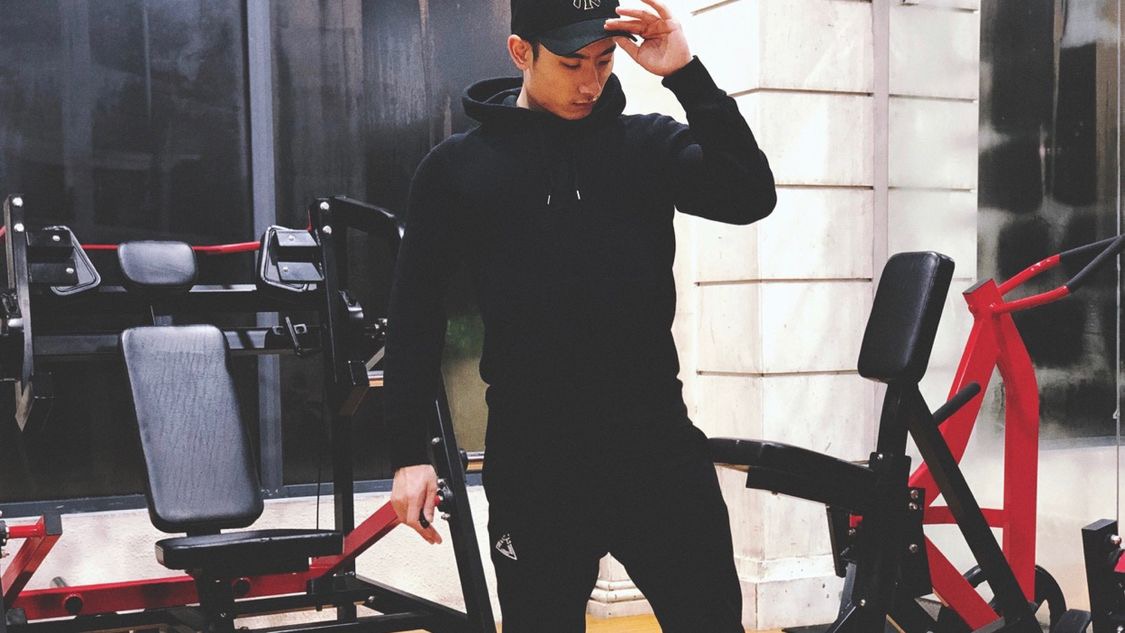
That was also when I realized how much I liked the fitness world, and I chose to keep working in it. Later, I became a personal training manager at a gym. Coaches around me were under pressure to hit sales targets, but I never felt much pressure myself. As long as the gym had enough foot traffic, there wasn’t a deal I couldn’t close with my mouth, and there wasn’t a client I couldn’t maintain a relationship with.
One of the members from the gym in this photo is still a close friend of mine today. He helped me when I was deep in debt, and he was still helping me all the way up to the beginning of this year. I’d really wanted to take him out for a meal, but unfortunately he wasn’t able to come out and meet.
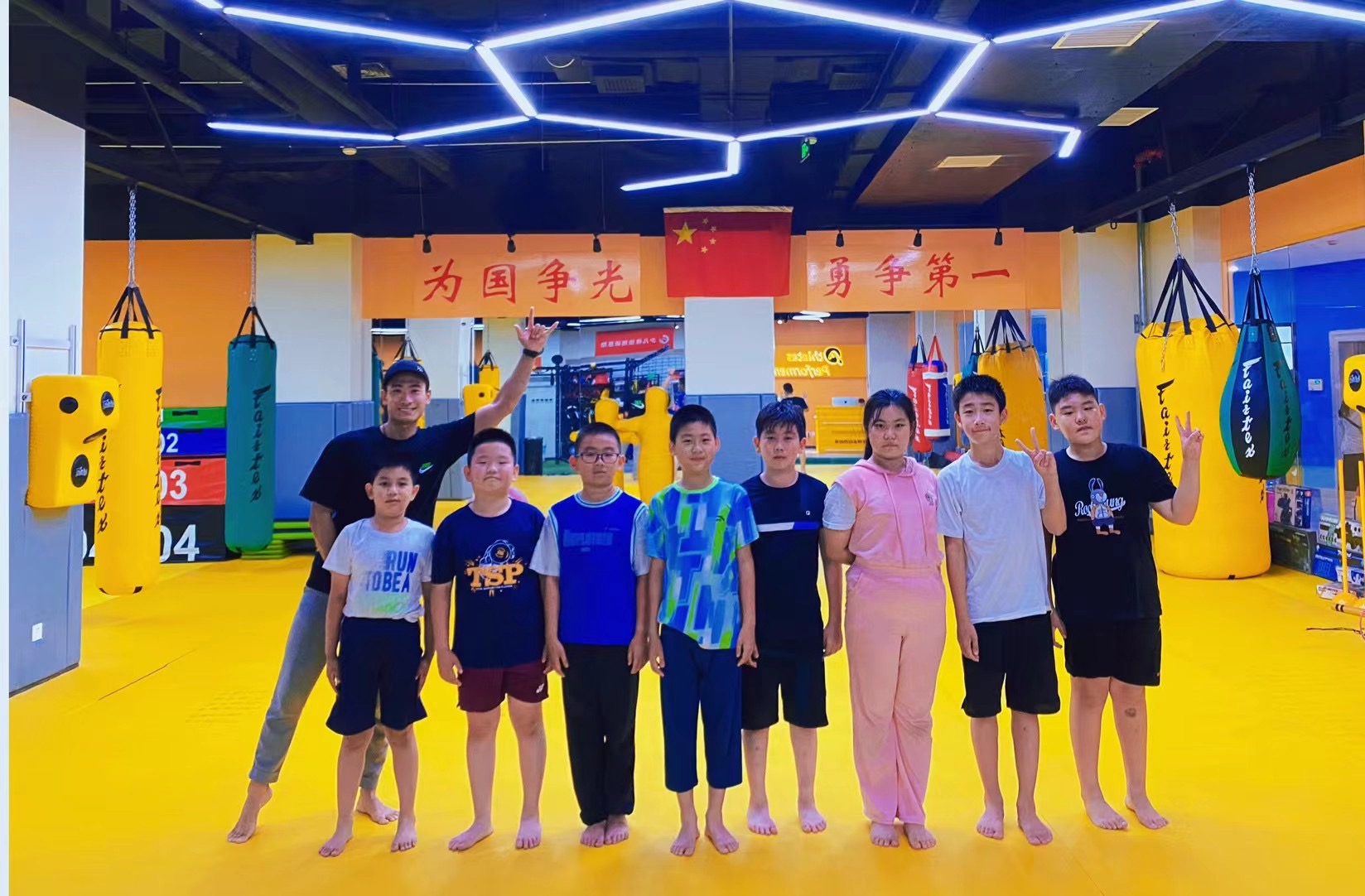
During the pandemic, after shutting down my own iron gym, I went to manage a children’s physical training and combat sports center. Luckily, I already had plenty of teaching experience. The kids were a little afraid of me during class, but once class was over, I loved playing around with them. So to them, I was both intimidating and fun.
What I taught them was never just conditioning. I taught them how to form teams, how to understand honor, and how to encourage their training partners. If someone wanted to give up, I wanted them to learn how to let that person feel supported by the people around them. Through games, I also let them get a small taste of how tough the world can be. After class, I’d even help them understand the little social dynamics that come with friendship and getting along with others. I wanted the place to feel different from school. I wanted them to look forward not only to training, but also to seeing their friends again afterward.
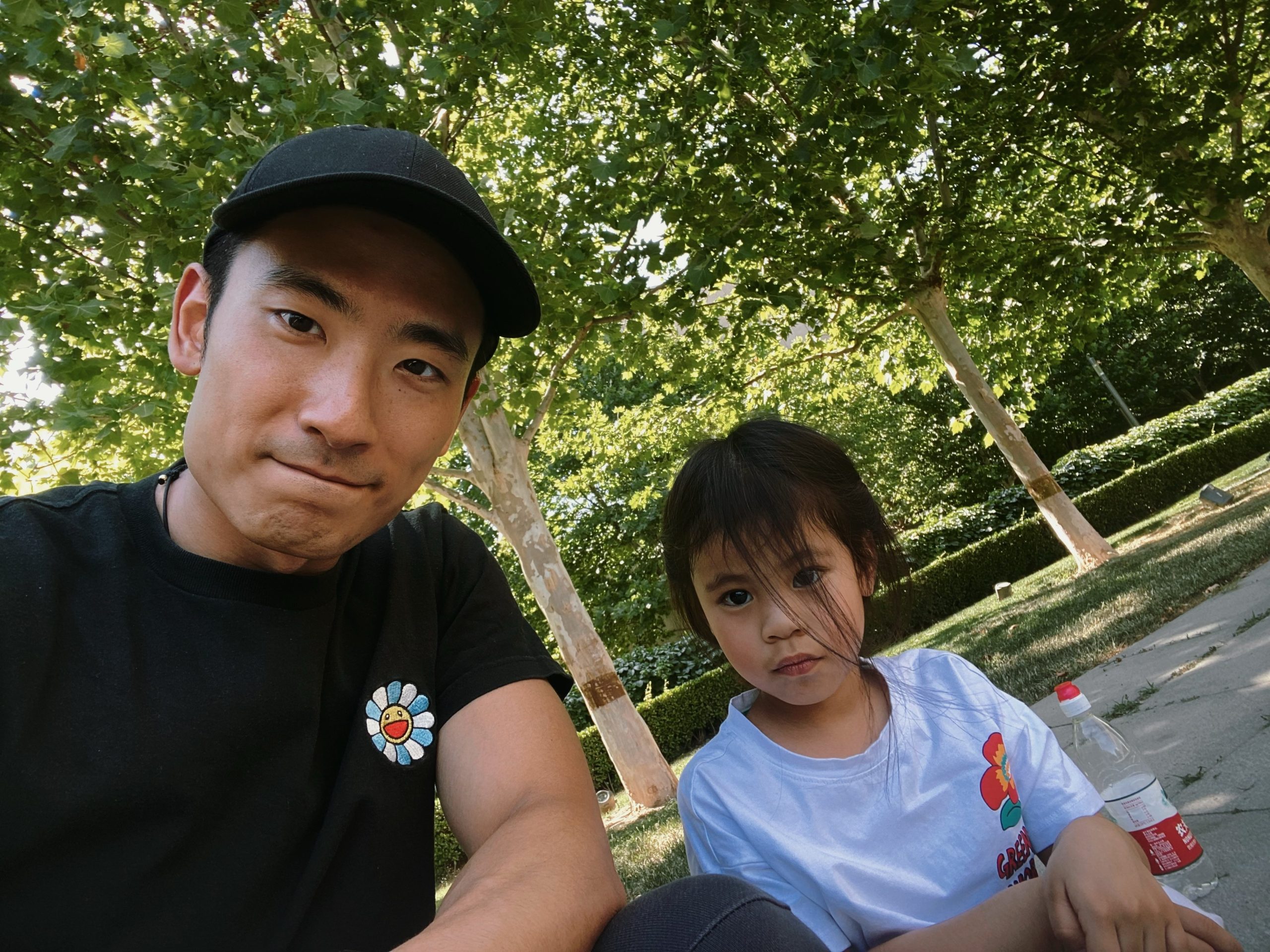
I also taught very young children. At one point during the pandemic, indoor training in enclosed venues wasn’t possible anymore, so I sent messages in the student group and took a bunch of kids out to large open fields and parks for free conditioning sessions. The older boys and girls would come train, and sometimes the younger kids would watch enviously, wanting to join too. So every now and then I’d bring the little girls in as well.
There was one little girl I was especially fond of. She was adorable, gentle, and soft-spoken. I still think sometimes that I hope I’ll have a daughter that cute one day.
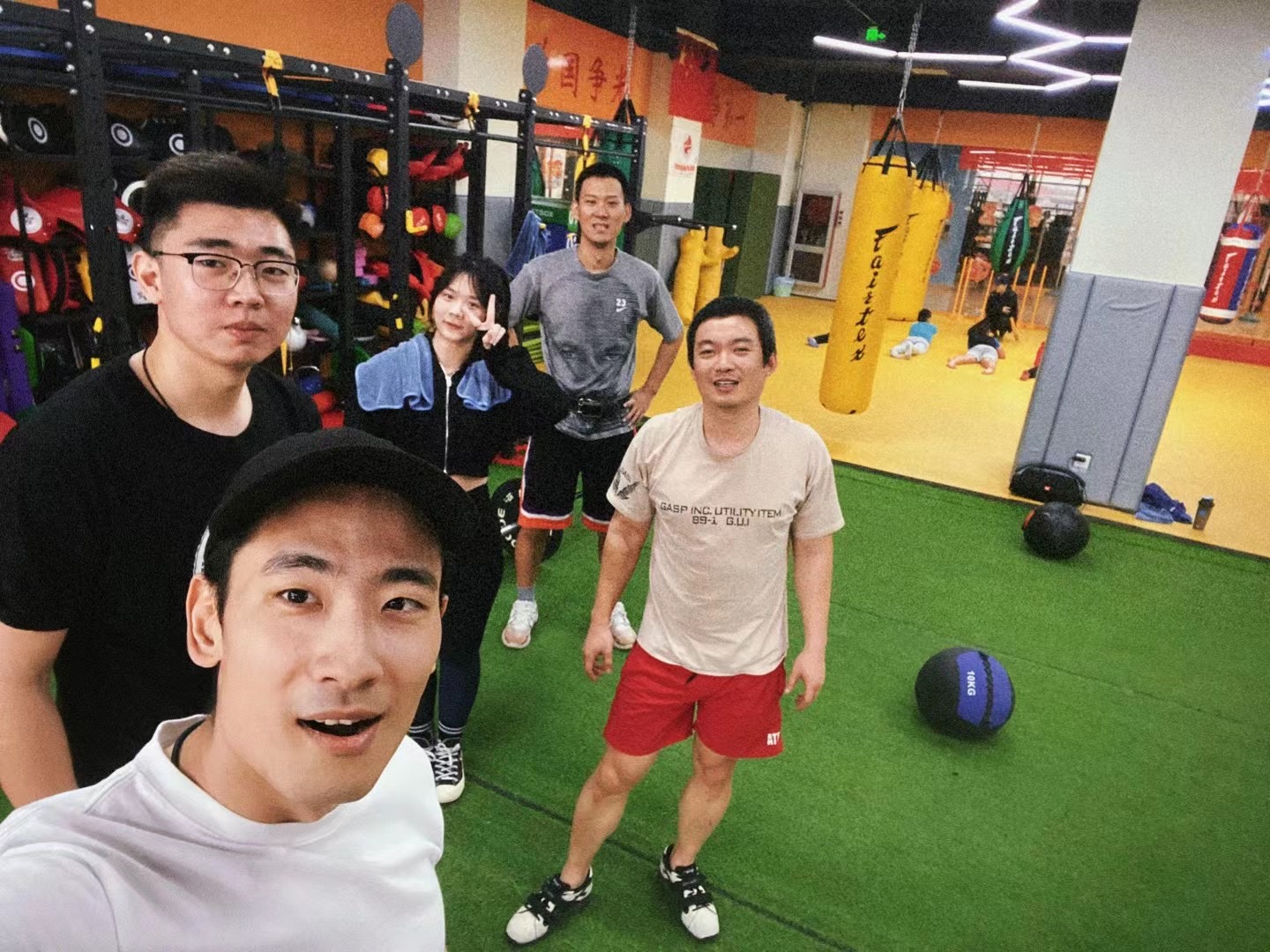
Back then, one of the happiest parts of life at the gym was training with the adults in our group. Sometimes I’d push myself to the point of total exhaustion, but training together had its own kind of unspoken understanding. No one ever formally said what time we should meet. And yet somehow, at a certain hour, everyone would just show up.
I went from being an unnoticed student to someone now approaching 35, and in the blink of an eye, more than ten years have passed. Over that decade and more, I’ve learned one thing clearly: when you truly acquire a skill, it can stay with you for life. And as time goes on, that skill can branch outward into other abilities that become your own.
The people around you may change again and again, but the foundation you built through skill does not disappear. It only gets updated, refined, or simplified with time.