On August 24 I went to Lingyin. It was my second visit, and the place was packed—peak tourist season, queue after queue. Standing on ground I had walked before and looking back at the photos on my phone, I felt a quiet steadiness. A place can be alive with spirit and still, in the end, withdraw from view.
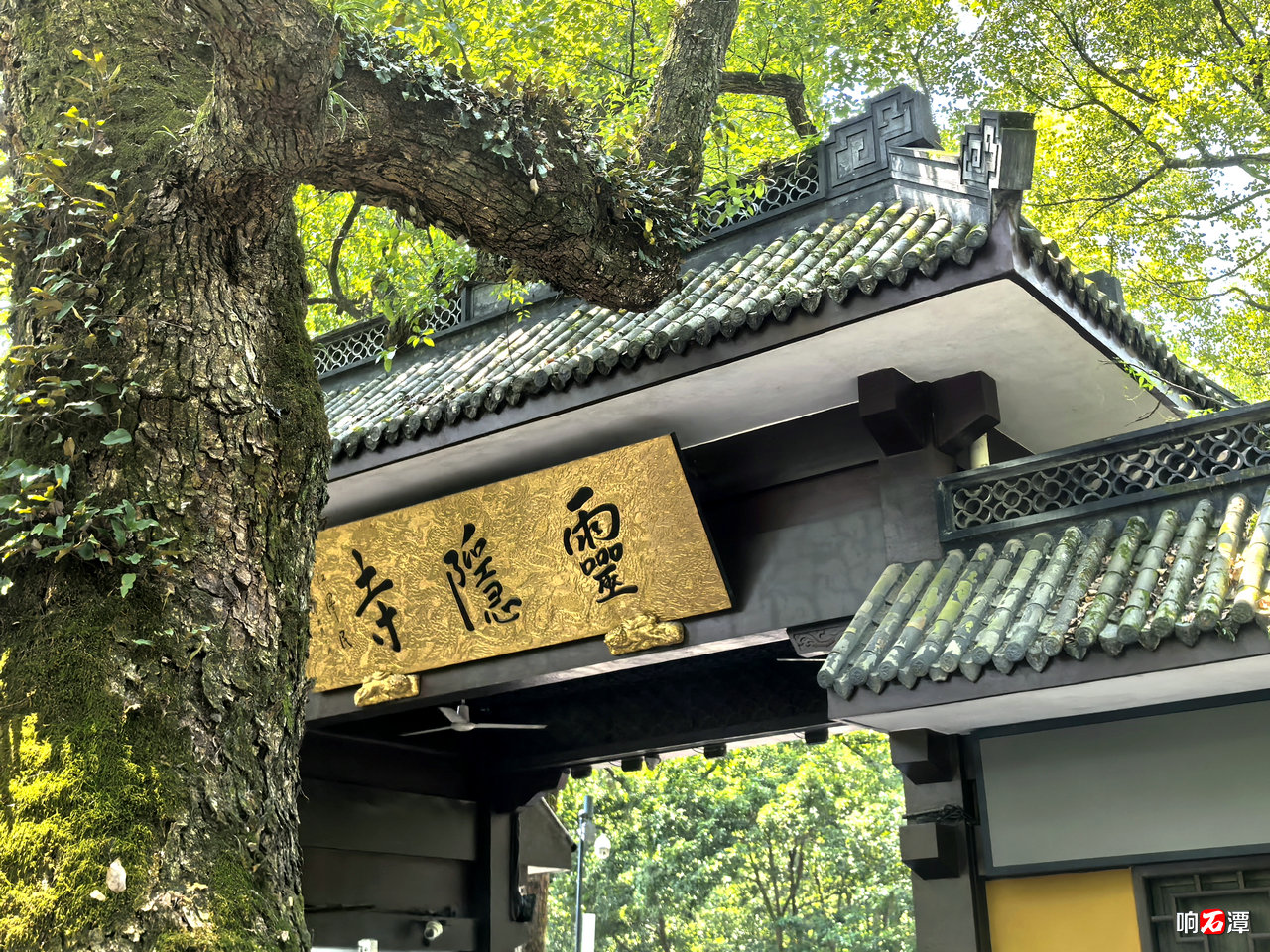
After more lines and more waiting, I entered Feilai Peak. The name brings to mind You Benchang's Jigong. The story of how the peak got its name is strange enough on its own.
One day, the story goes, Jigong at Lingyin Temple had a sudden premonition: a mountain was flying toward them from afar. In those days there was a village in front of the temple. Afraid the peak would crush the villagers, Jigong ran into the village and urged everyone to leave. The villagers were used to his madcap ways and thought he was playing another joke. No one listened. With the peak nearly upon them, Jigong rushed into a house where a wedding was taking place, lifted the bride onto his back, and ran. The villagers chased him, shouting. As they ran, the wind roared, the sky darkened, and with a crash a mountain landed in front of Lingyin Temple and buried the whole village. Only then did people understand that Jigong had carried off the bride to save them. They called the mountain Feilai—the peak that flew here.
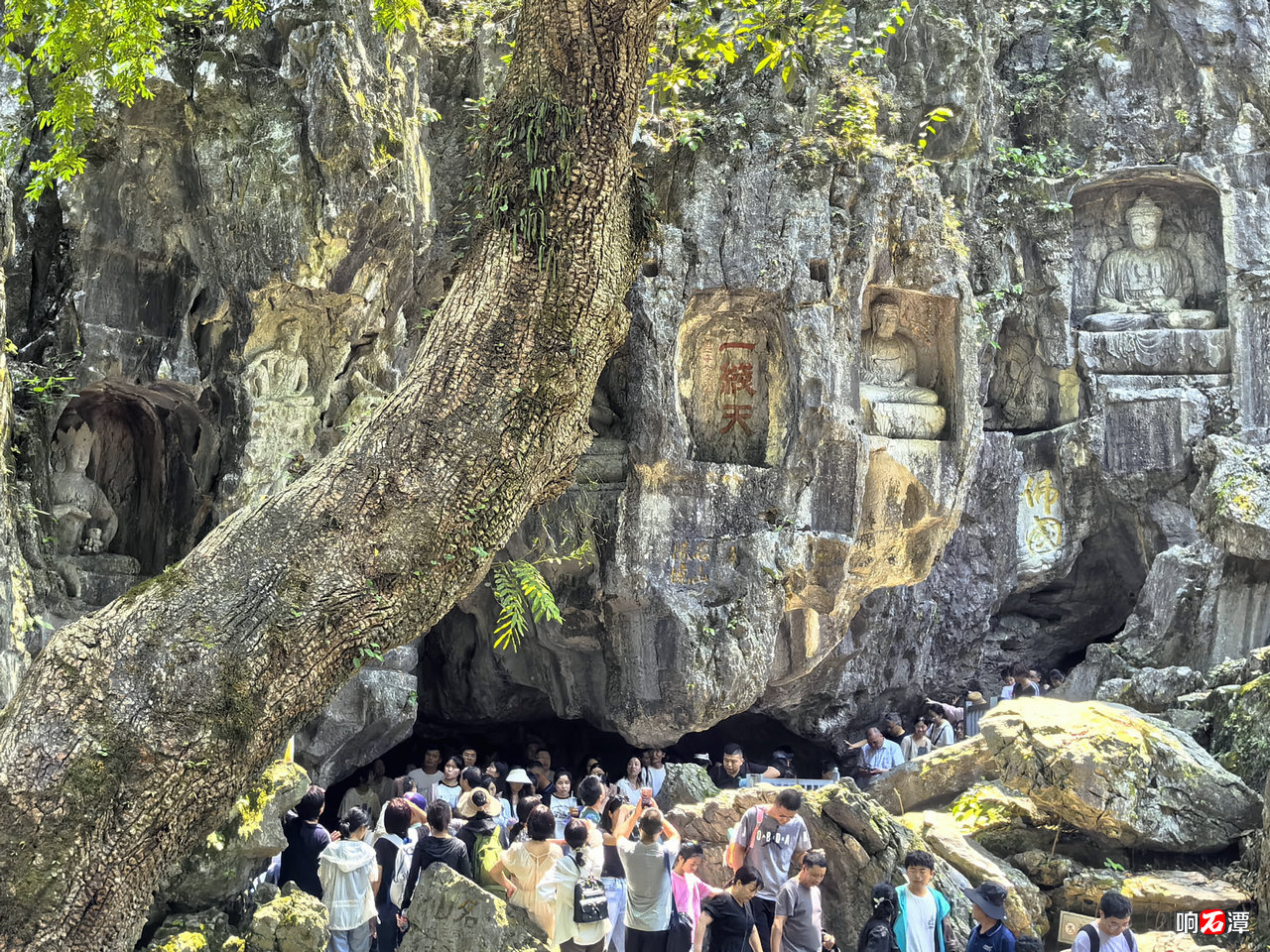
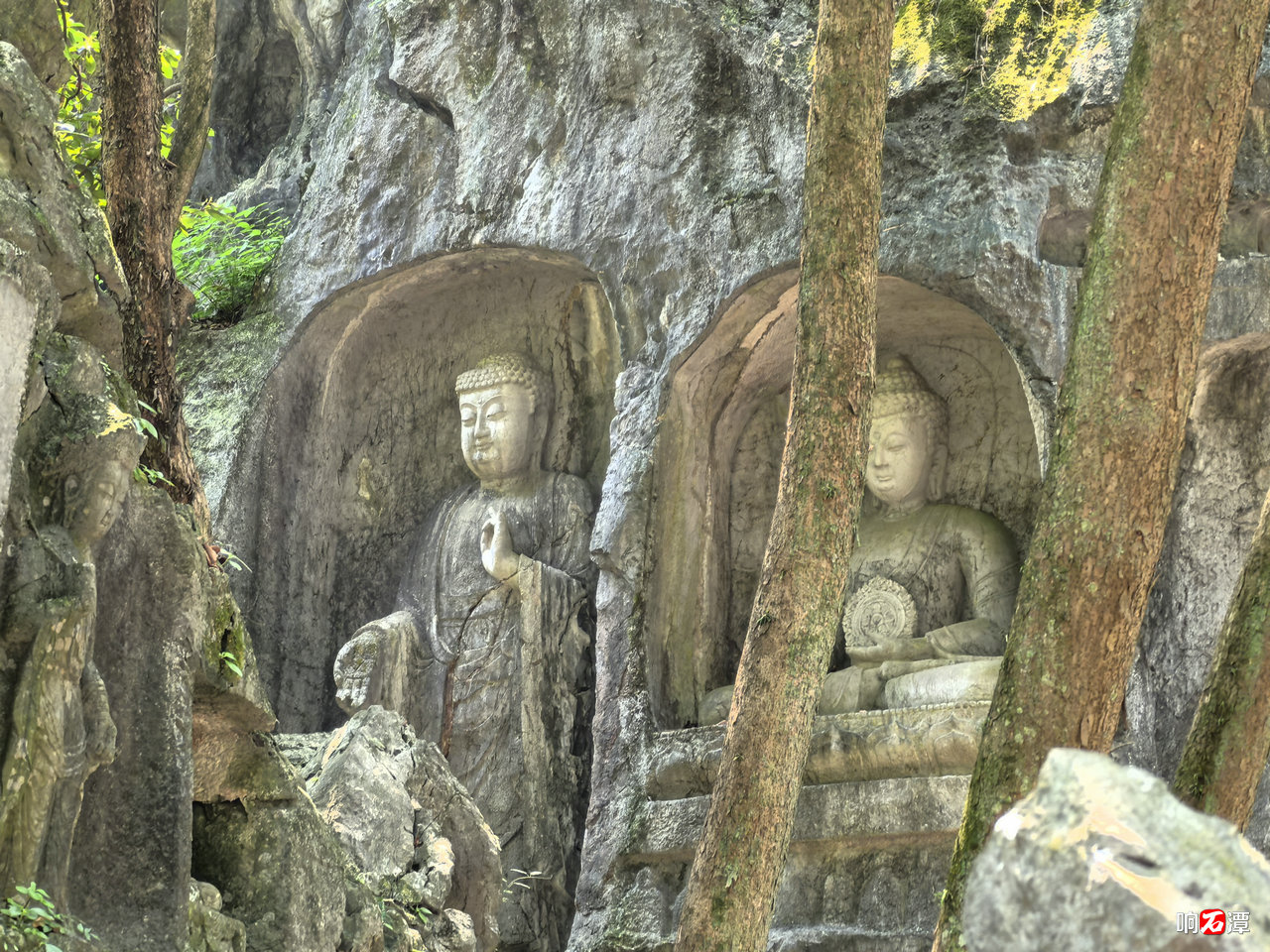
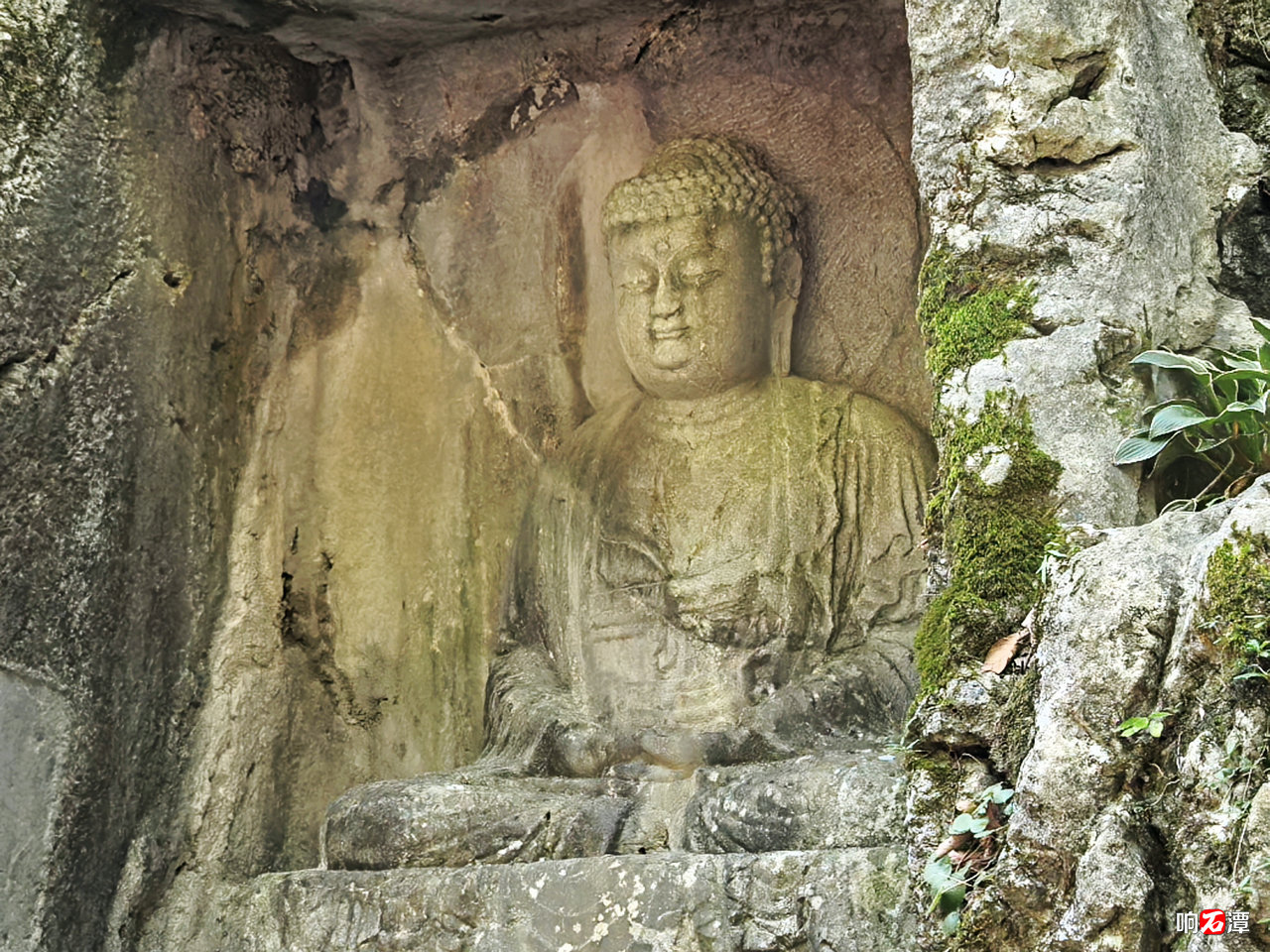
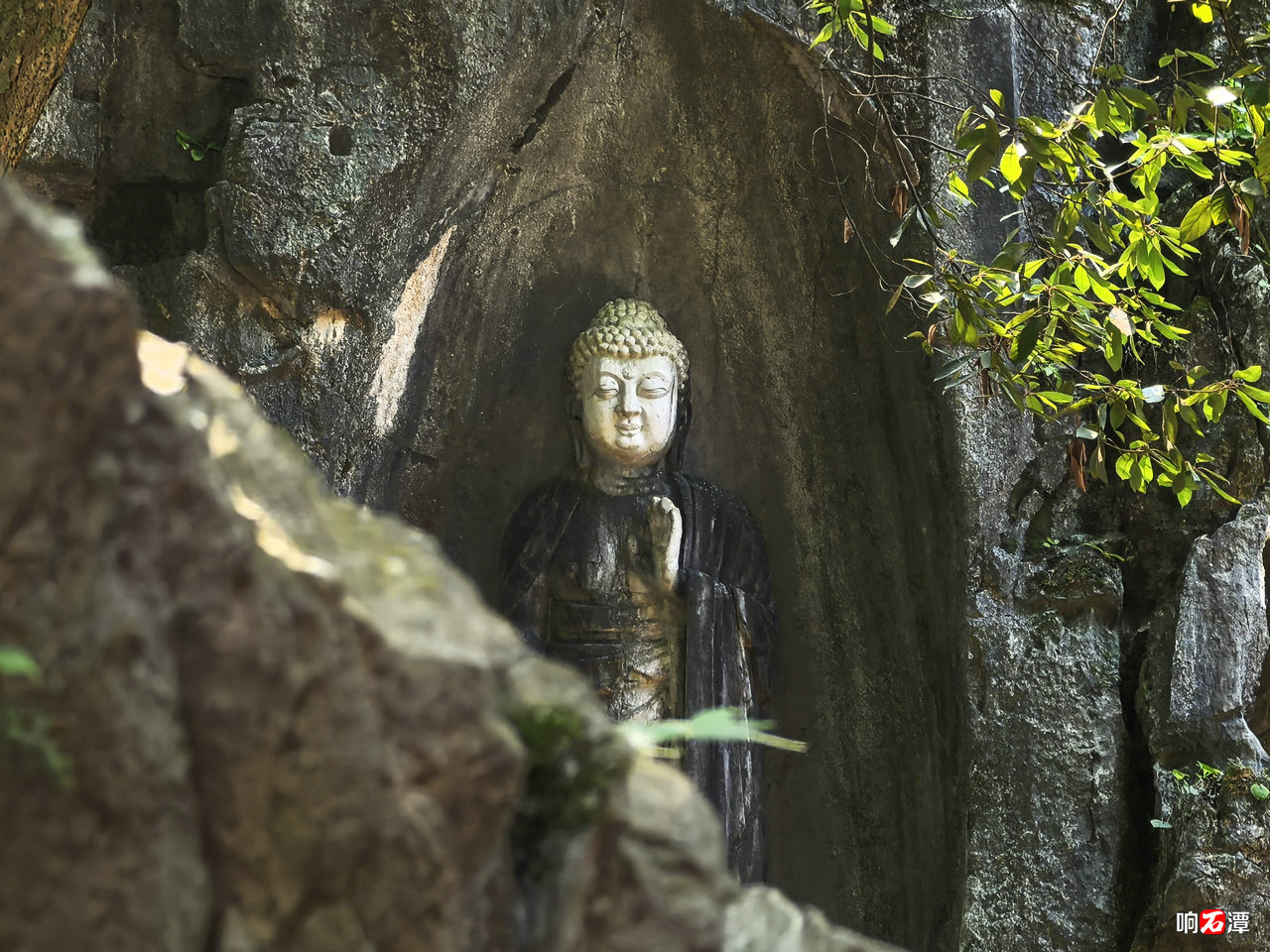
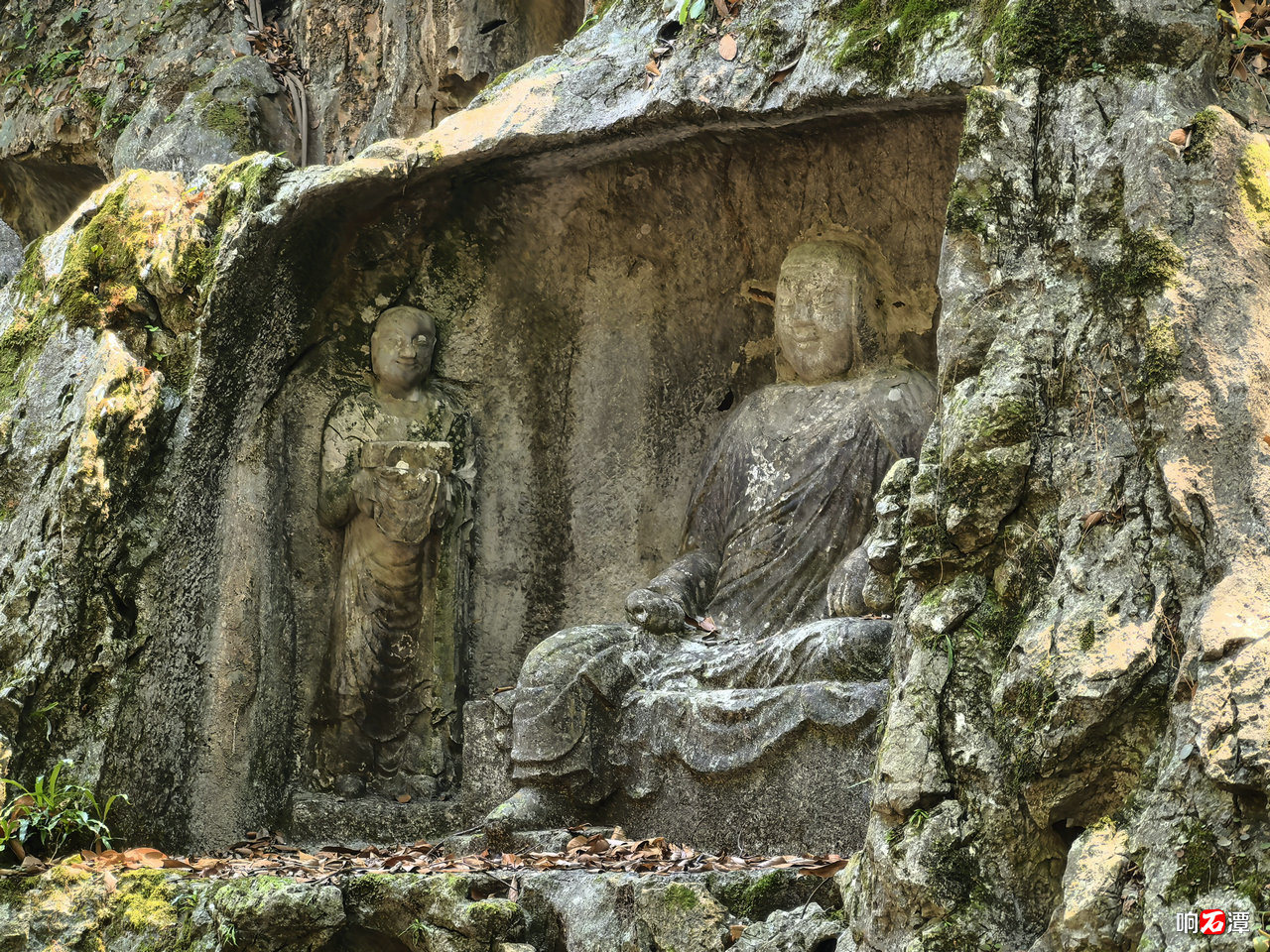
On the cliffs around the caves and along the stream at Feilai Peak are more than 470 stone figures carved from the Five Dynasties through the Song and Yuan. I could not name most of them. I thought of the old line: forms are not forms, yet the dharma image is solemn. After a thousand years, the Buddha-nature remains, unmoved.
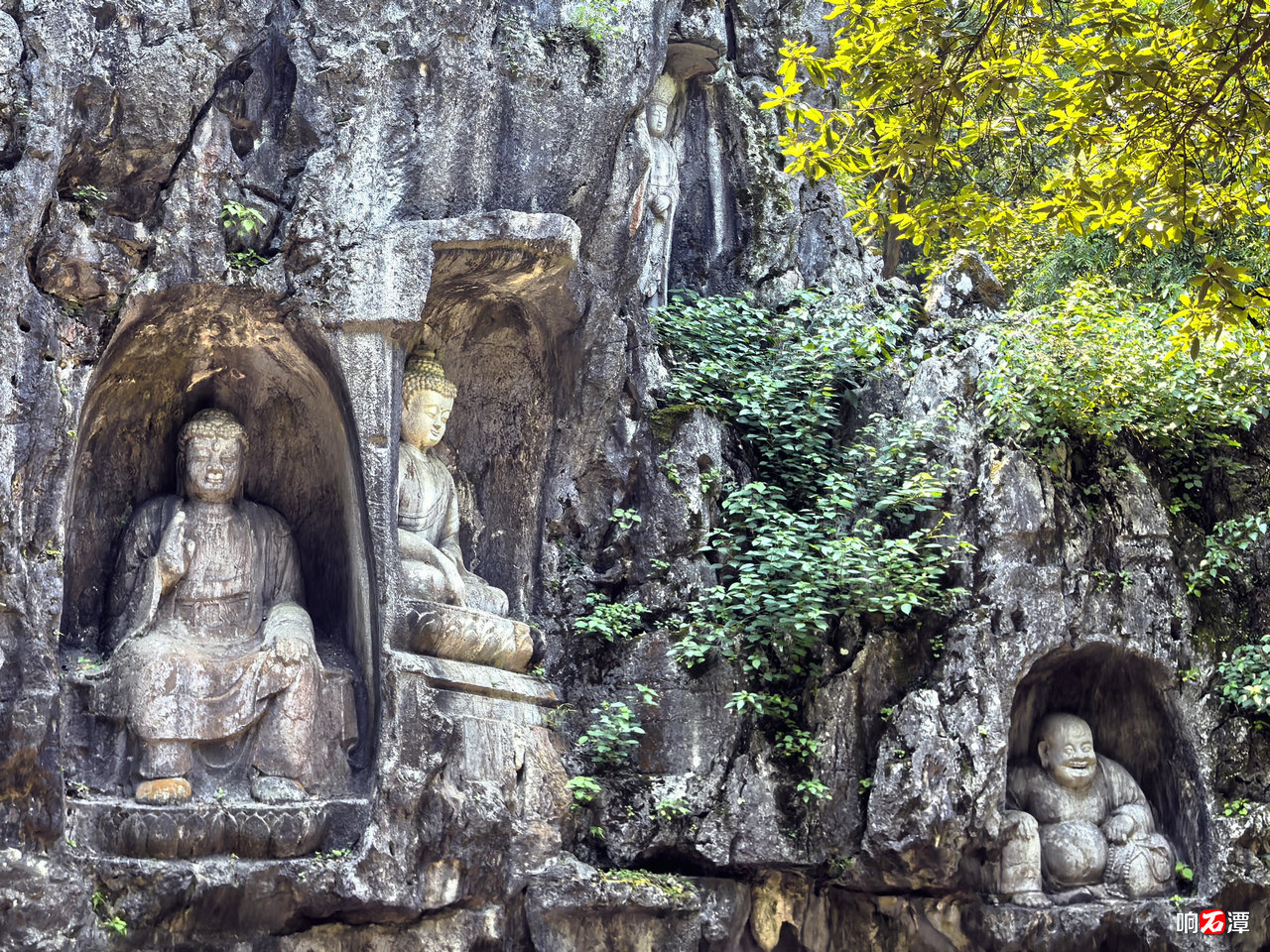
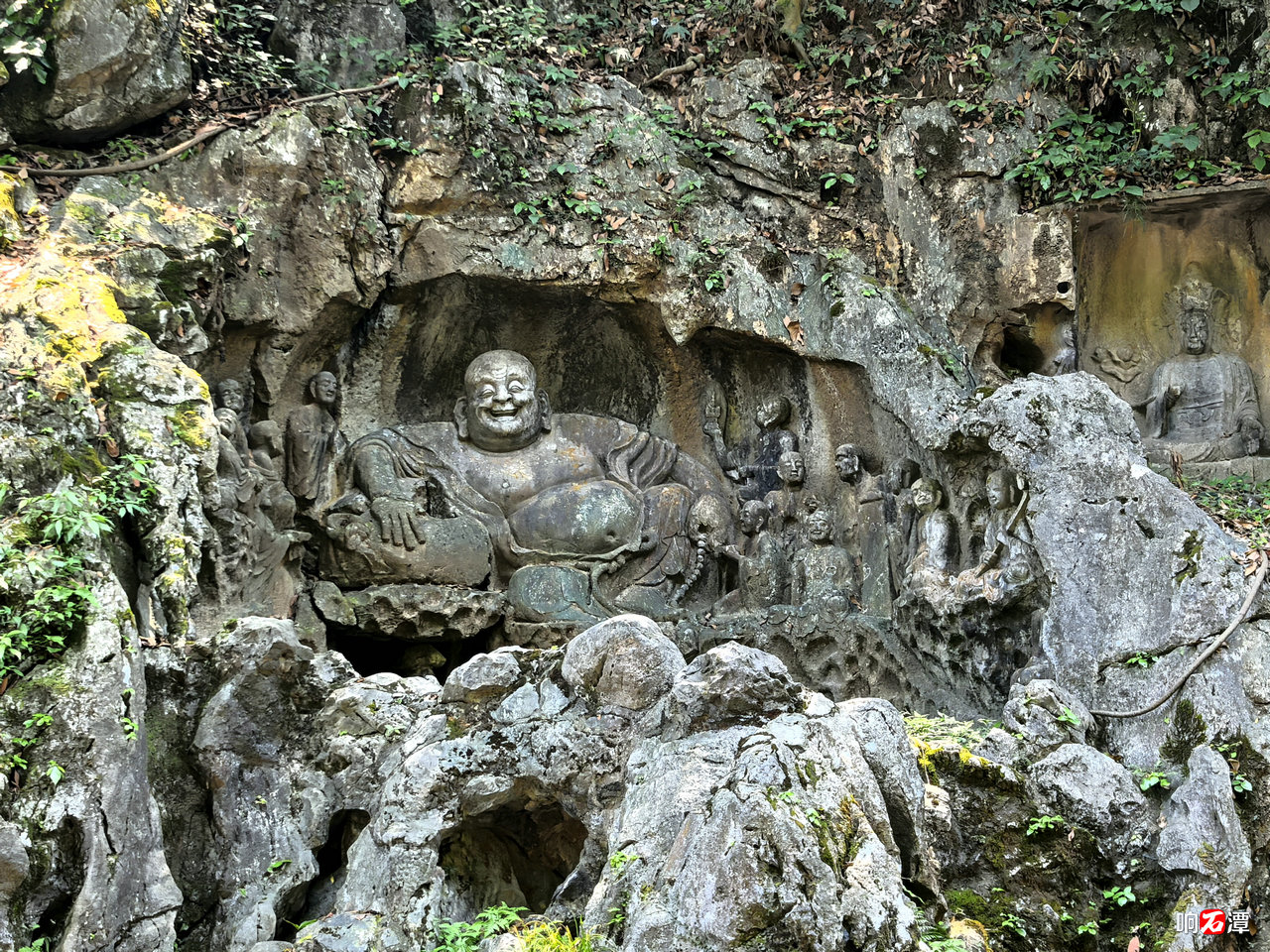
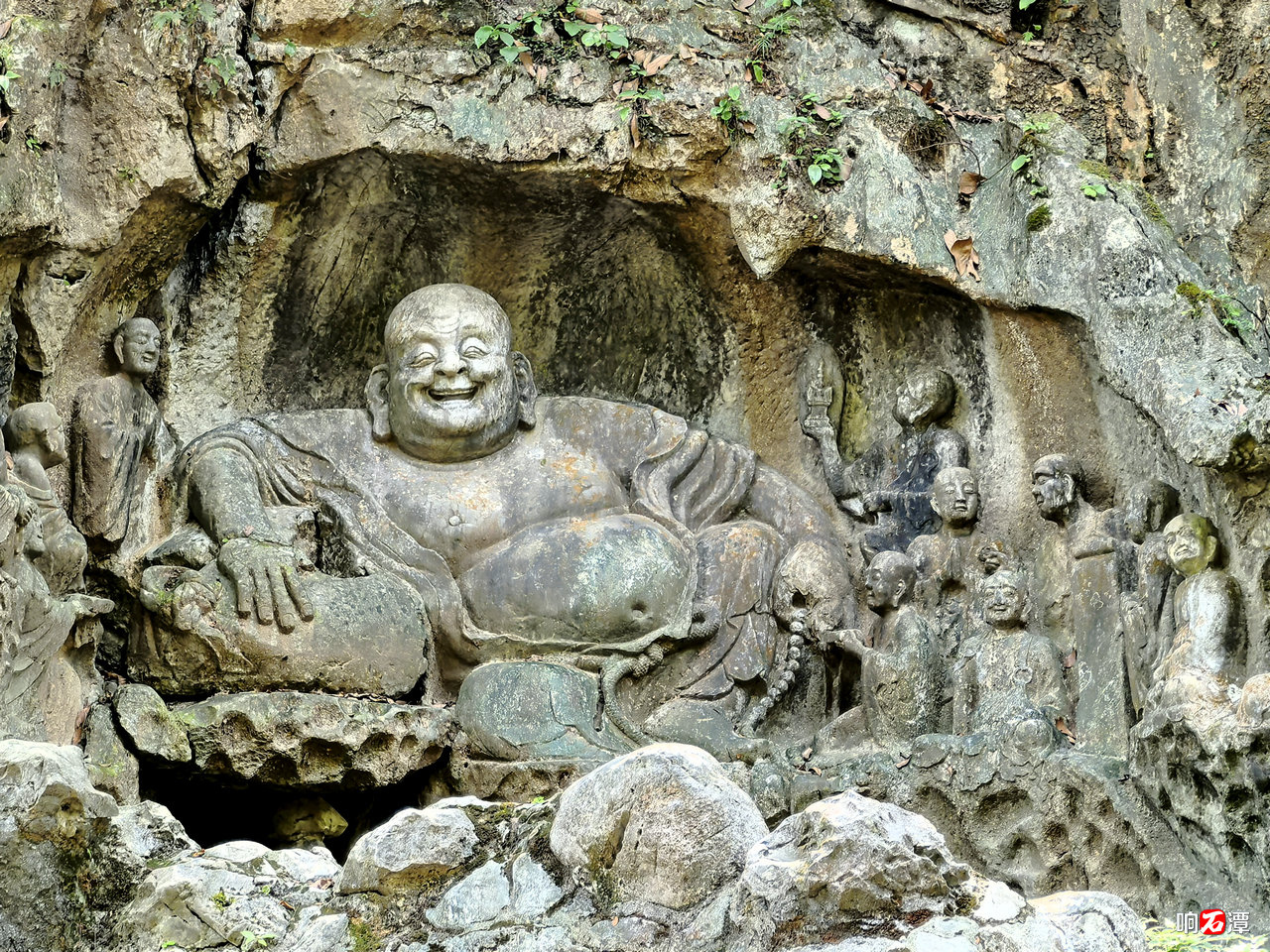
There is a Maitreya here, said to be modeled on the cloth-bag monk. Maitreya has a great belly that holds what is hard to hold, and it clears away so much human sorrow. His face is full of joy, laughing at the rights and wrongs of all ages. Many people stop before him, each carrying a joyful heart.
Good and evil keep close company. There is also a very different statue here: Yang Lianzhenjia, known as an evil Buddha, not to be worshipped.
Yang Lianzhenjia was a monk in the Yuan dynasty. He was sent to Jiangnan as Buddhist commissioner and controlled Buddhist affairs there. During that time he squeezed the people, seized land and women, and bribed his superiors. Not content with that, he robbed the six tombs of the Southern Song. He stripped the gold, silver, pearls, and jade, broke open the coffin of Emperor Lizong in Yongmu Tomb, and threw the body into the wild. Later, to make people praise him, Yang ordered a statue of himself built at Feilai Peak.
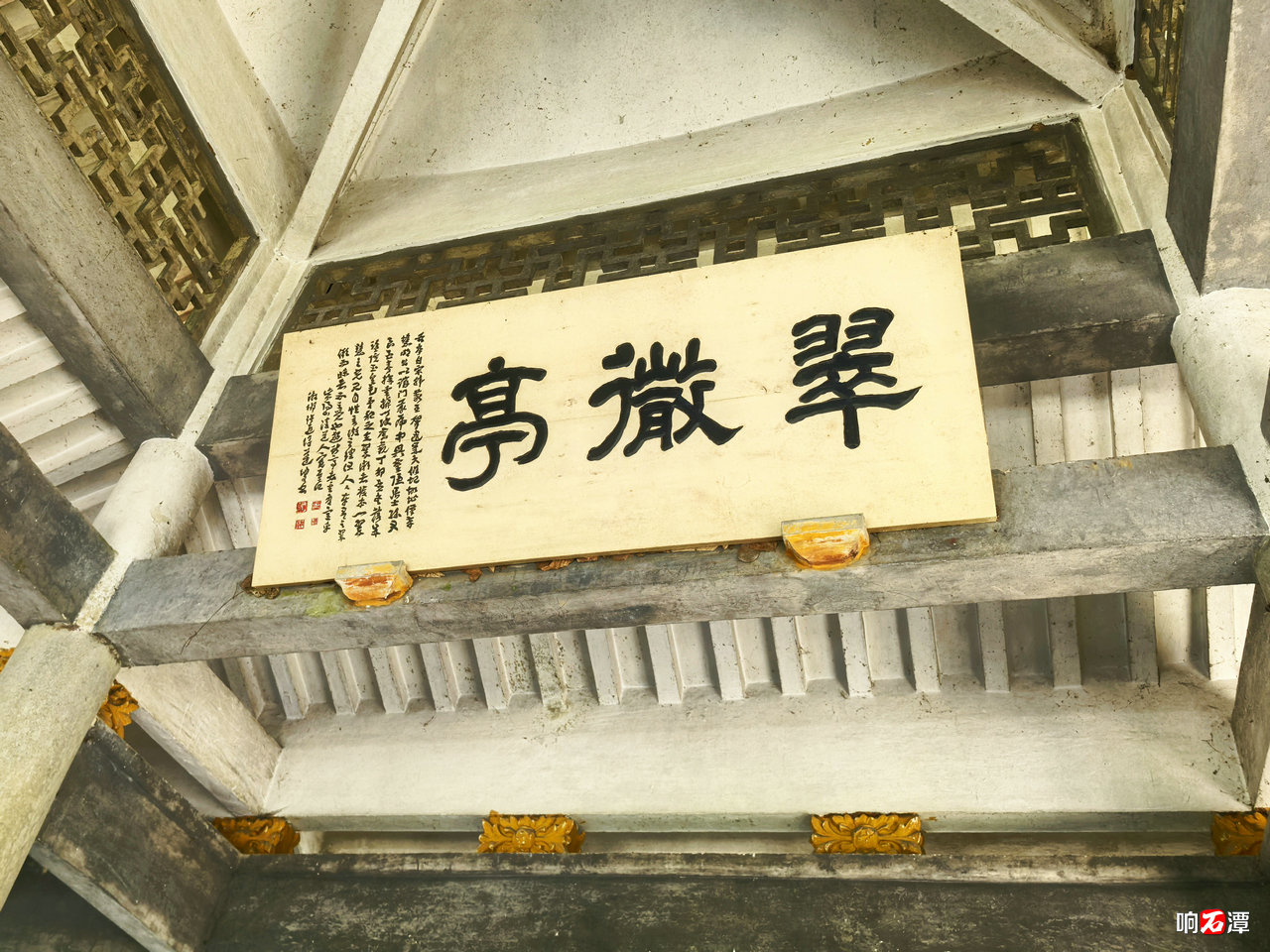
Halfway up Feilai Peak stands Cuiwei Pavilion. It was built in March 1142, the twelfth year of Shaoxing, by the anti-Jin general Han Shizhong. The inscription says: In Shaoxing 12, Qingliang jushi Han Shizhong, passing through Lingyin, climbed to view the scenery, found an old foundation and built a new pavilion, naming it Cuiwei as a place to rest for visitors. On March 5, his son Yanzhi wrote this. The pavilion was completed only a little more than two months after Yue Fei was killed on December 29, 1141.
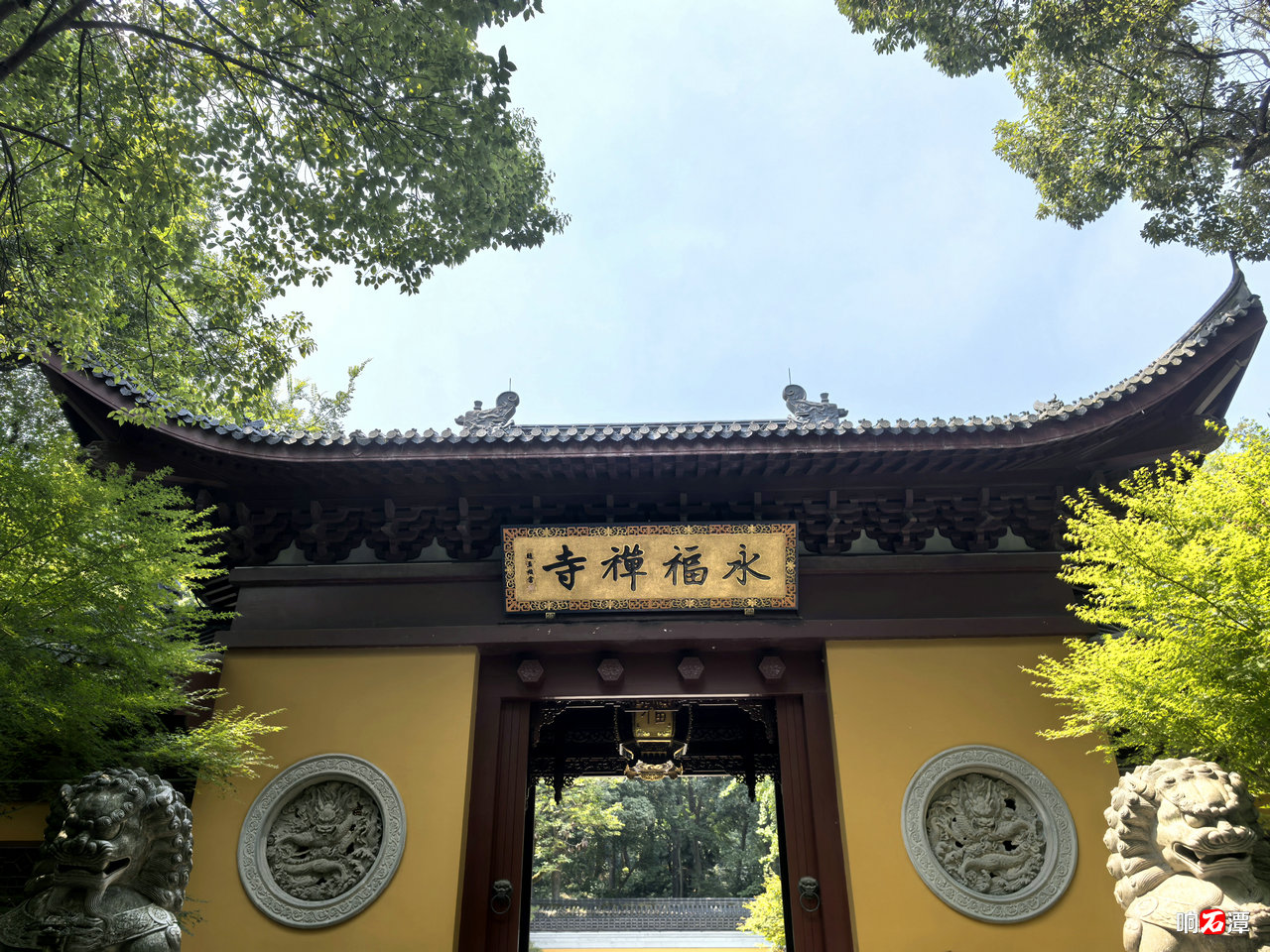
Following the mountain path, I went on to Yongfu Temple. Since the Eastern Jin monk Hui Li founded it, the temple has stood for more than 1,600 years. There is an inexplicable quiet here, a beauty of shared joy. Even when hurrying, if we stop, if we try to place ourselves among the hills and the temple, and feel the ease of the present, joy comes.
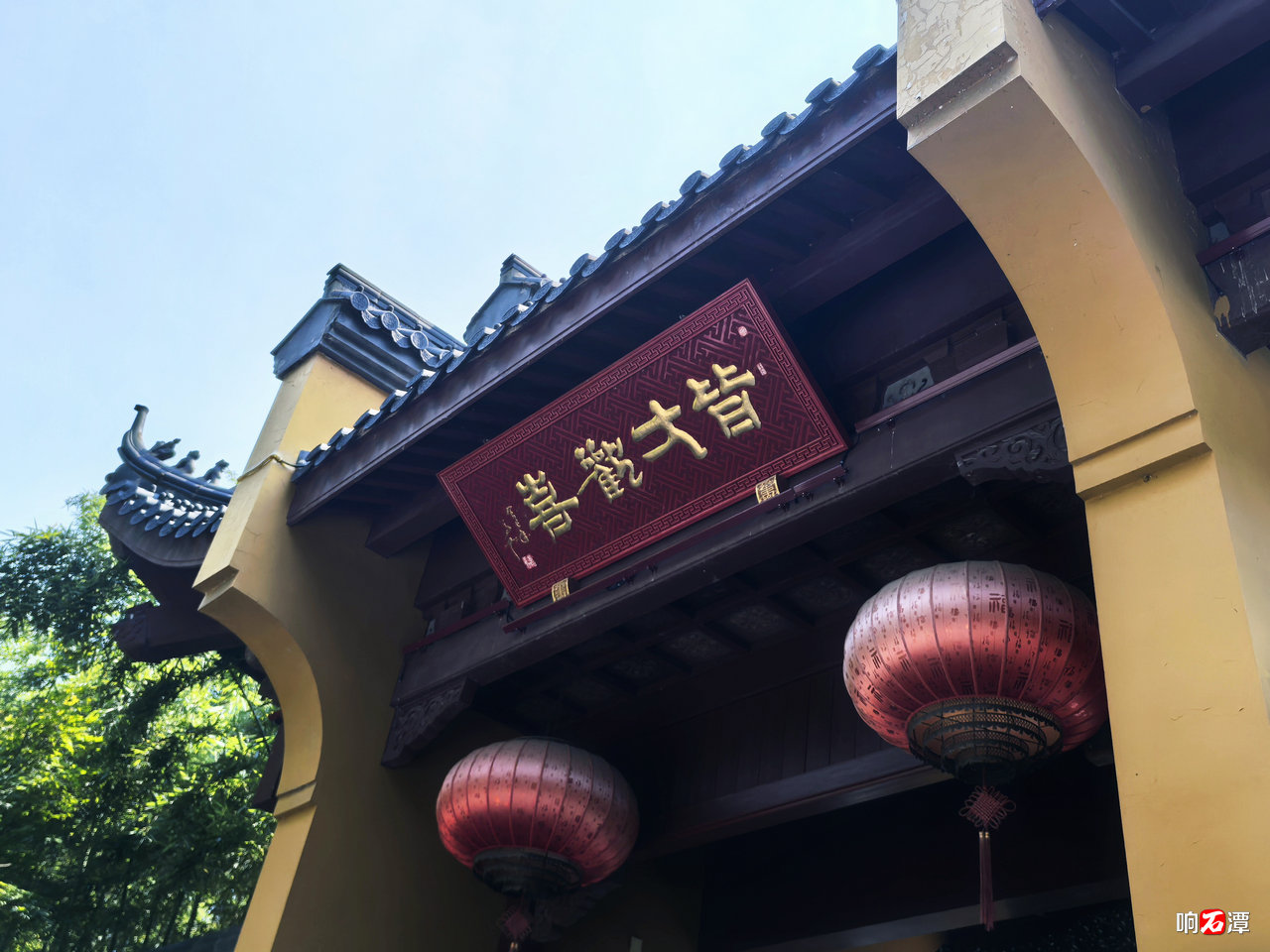
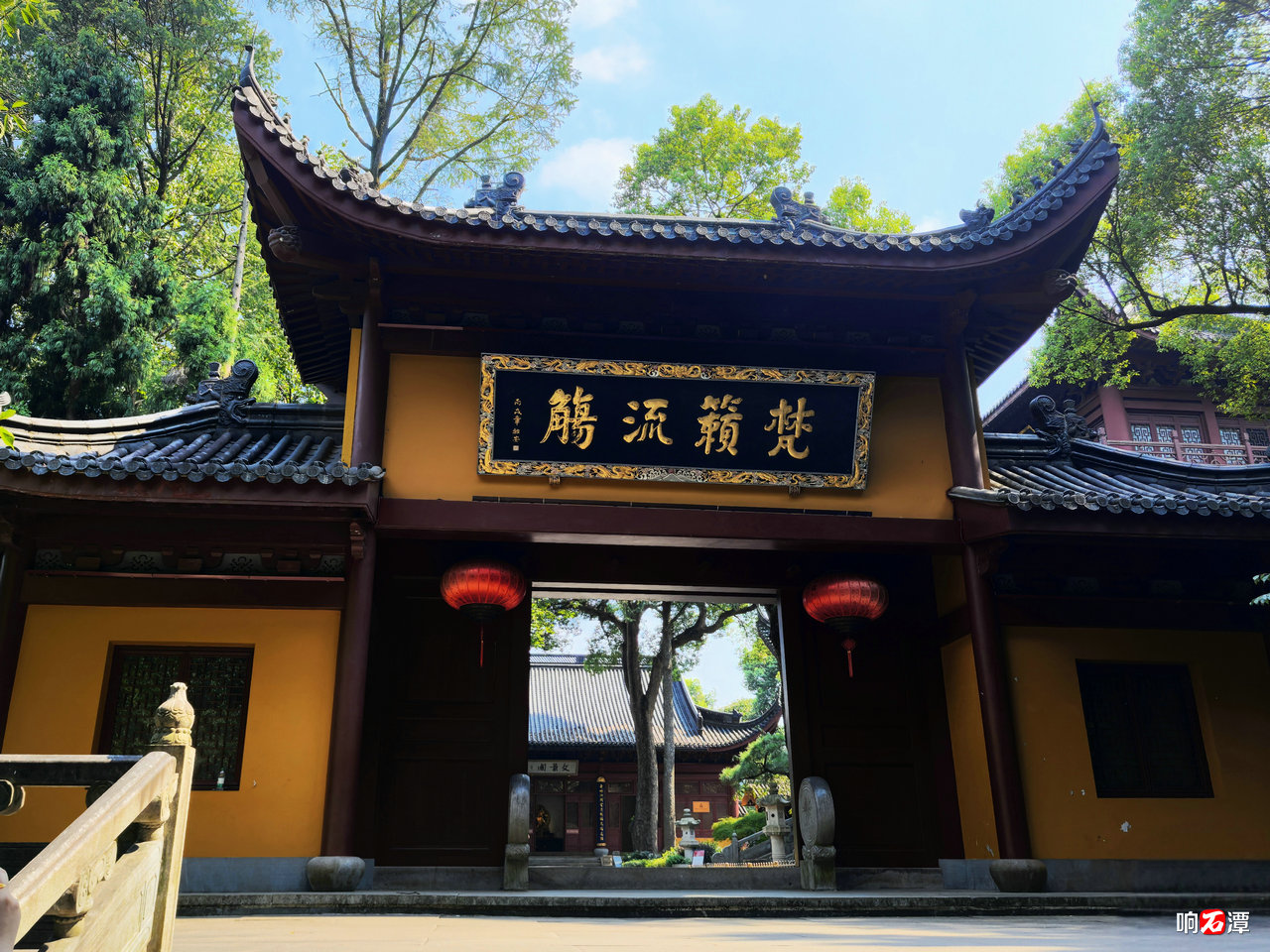
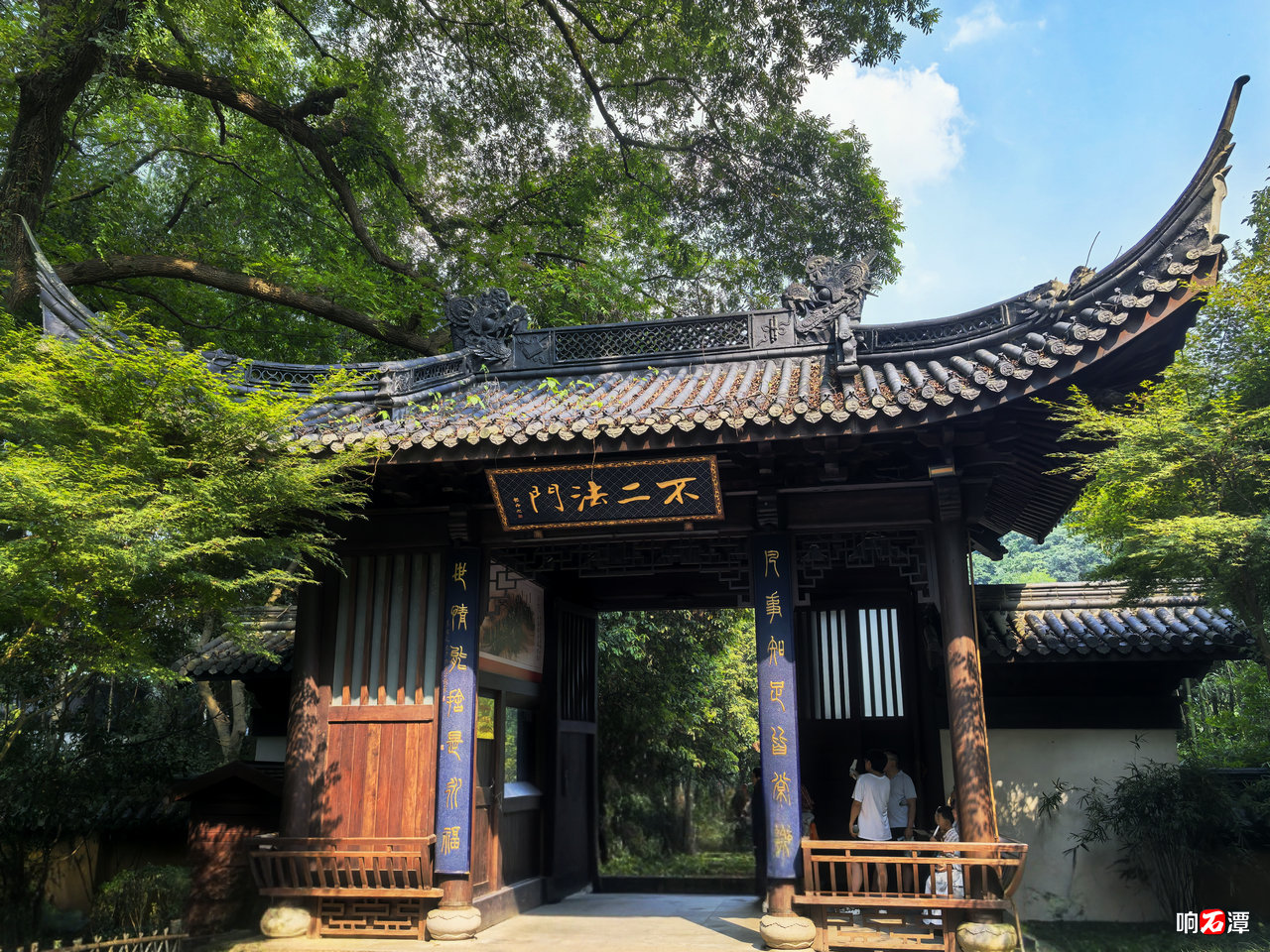
I meant to go to Lingyin Temple, but in the end I did not pass through its gate. The stacked lines of people sent me away. Besides, the main gate really was not open.
Legend says Lingyin Temple opens its main gate only for an emperor. Kangxi is said to have entered through it. Qianlong came south in disguise and reached the temple when it was closed. The monks did not believe he was the emperor, and no matter what he said they would not open the main gate. Qianlong was in plain clothes and let it go. Later, the story goes, he issued an edict: since I came and the main gate was not opened, then from now on no one may ever open it.
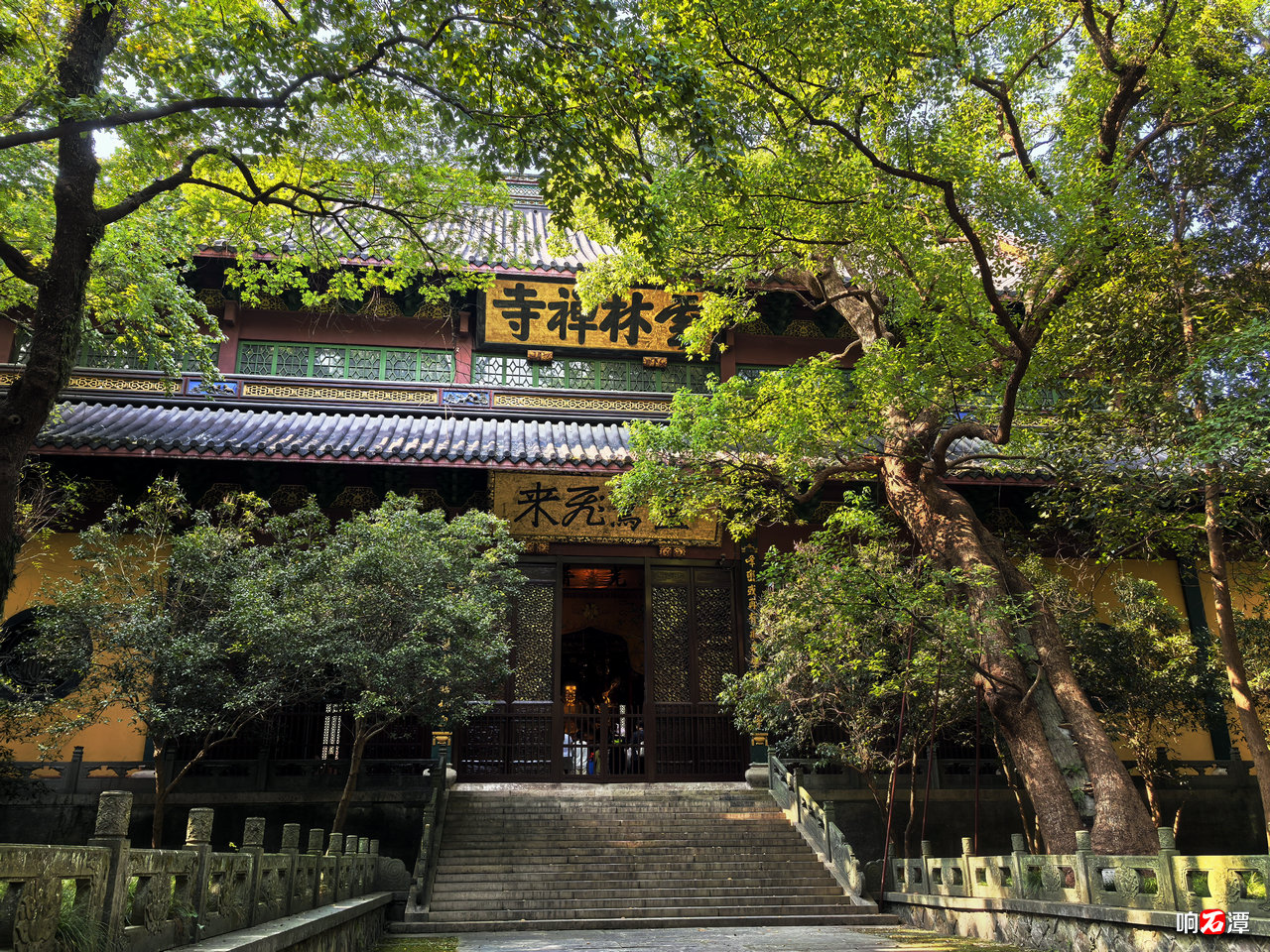
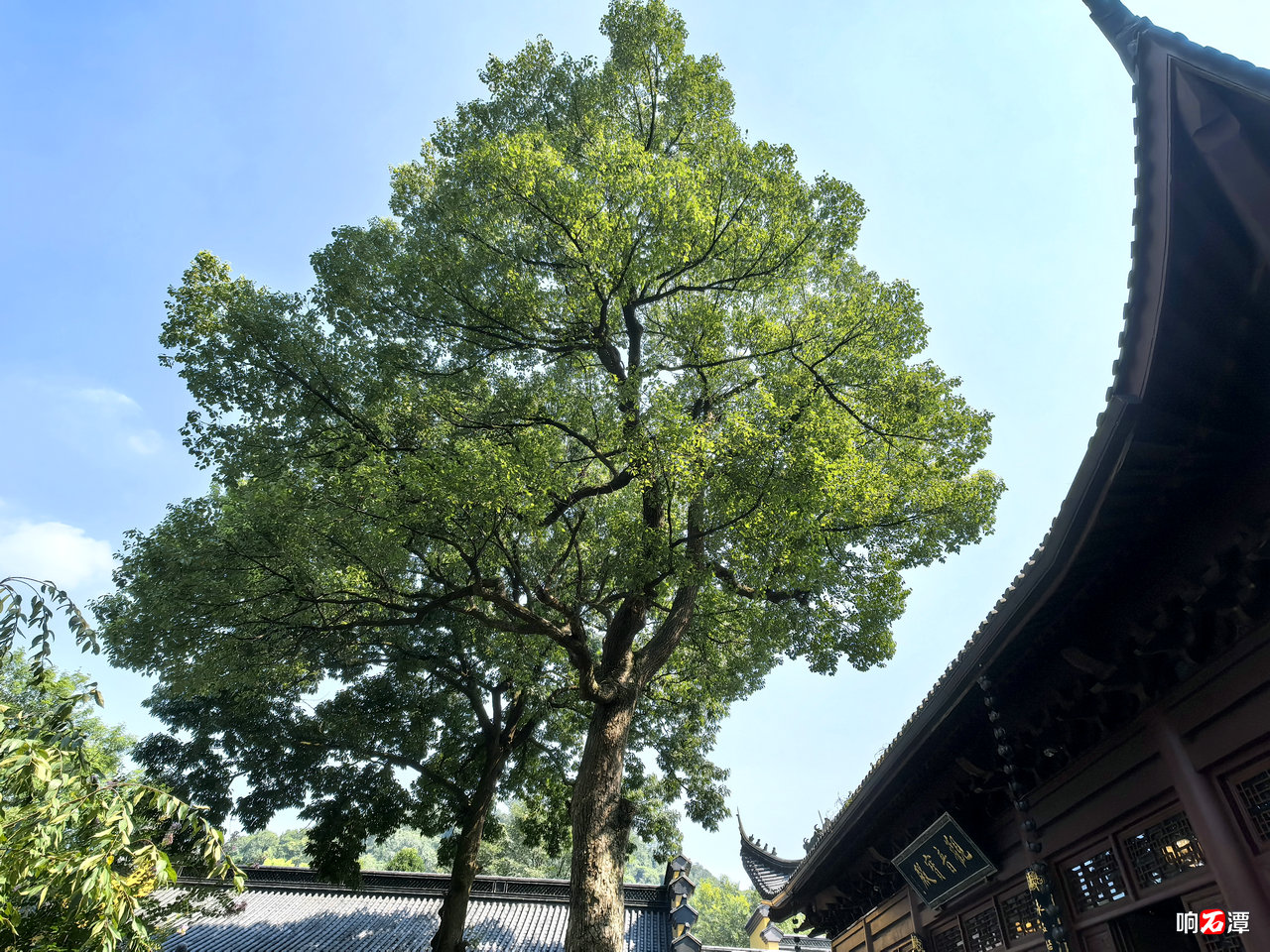
It is Saturday, exactly a week later, and I am writing this down. If I go back to Lingyin, I would like to walk more slowly, stop somewhere, close my eyes, empty out—perhaps even fall asleep.