I ended up rewatching My Sassy Girl on a quiet Saturday night almost by accident, and once it started, it was easy to stay with it all the way through.

Released in 2001, this romantic comedy stars Jun Ji-hyun and Cha Tae-hyun. Even now, its reputation still holds up: a funny, emotionally bruised love story that is far more melancholy at heart than its playful surface first suggests.
The setup is famous for a reason. Gyeon-woo first meets the heroine in a completely unromantic situation. She is drunk on the subway, loudly scolding passengers for not giving up a seat to an elderly person, then vomiting and collapsing. Gyeon-woo, being the decent person he is, catches her and ends up taking responsibility for her. His good deed immediately backfires when the situation lands him in trouble with the police while he is simply trying to help.
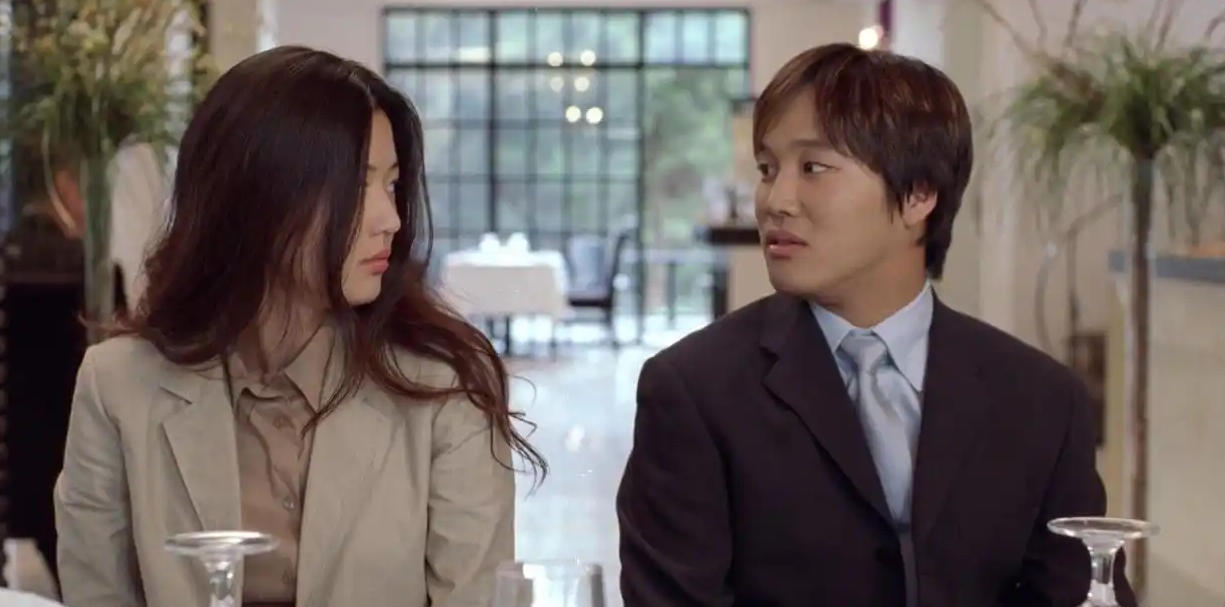
And yet that ridiculous first encounter becomes the beginning of their relationship. She is overbearing, impulsive, and frequently unreasonable. She orders him around, hits him, forces him into things that make no sense to ordinary people, and generally turns him into the target of her moods. But because the film gives her such disarming charm, and because Gyeon-woo sees something wounded underneath all that aggression, their connection becomes strangely believable. Their time together is full of comedy and warmth, but the closer he gets, the more obvious it becomes that she is carrying damage she cannot easily put down. Eventually she asks for something painful: that they separate for a time.
A familiar story now, but not in 2001
By today’s standards, the broad outline may not feel especially unusual. But judged in the context of its release, the film’s dynamic felt fresh enough to explode in popularity. After it came out, the “sassy girl” image spread across Asia, and Jun Ji-hyun’s performance became hugely influential. The film did not just succeed as a romance; it created a type.
Part of that impact comes from how strongly the two leads are contrasted.
The appeal of the contrast between the leads
Gyeon-woo is mild, accommodating, and fundamentally a nice guy. The film builds this carefully through small details: his mother scolds and controls him in an almost overfamiliar way, he helps classmates deal with attendance, and people joke around at his expense without meeting much resistance from him. All of that shapes him as the classic good-hearted pushover.
But he is not written as a fool. In many films, the “nice guy” type comes with a certain clueless stupidity. Here, that is not really the case. Gyeon-woo often seems slow or passive on the outside, yet there is a quiet awareness in him. At times he feels less genuinely dumb than someone willing to play dumb, absorb discomfort, and turn himself into the soft landing for other people.
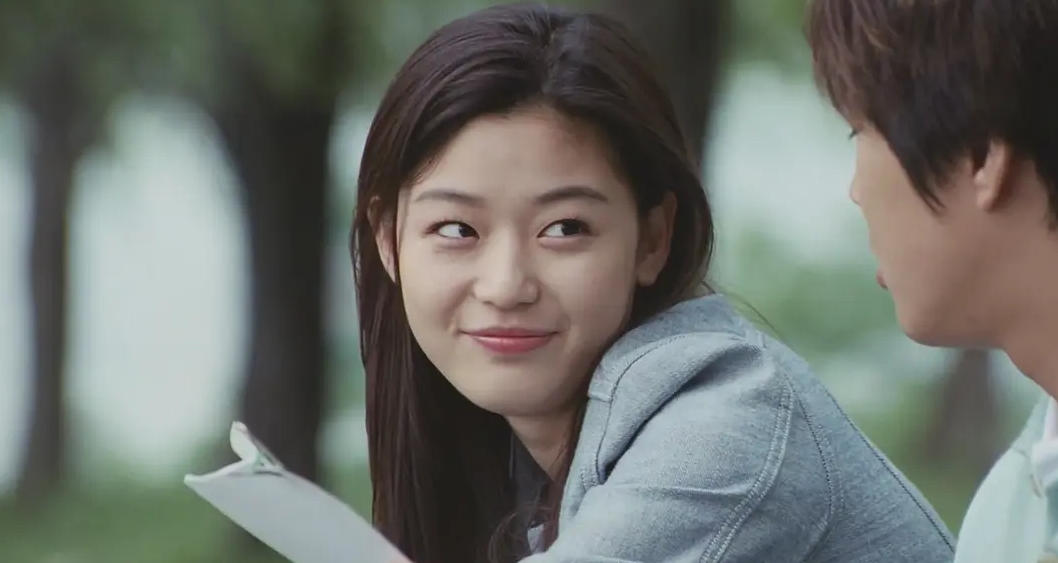
The heroine, by contrast, is defined outwardly by force. She slaps him, pushes him around, and drags him into one absurd situation after another—wearing high heels, skipping class, and many other acts meant to underline how dominant and unruly she is.

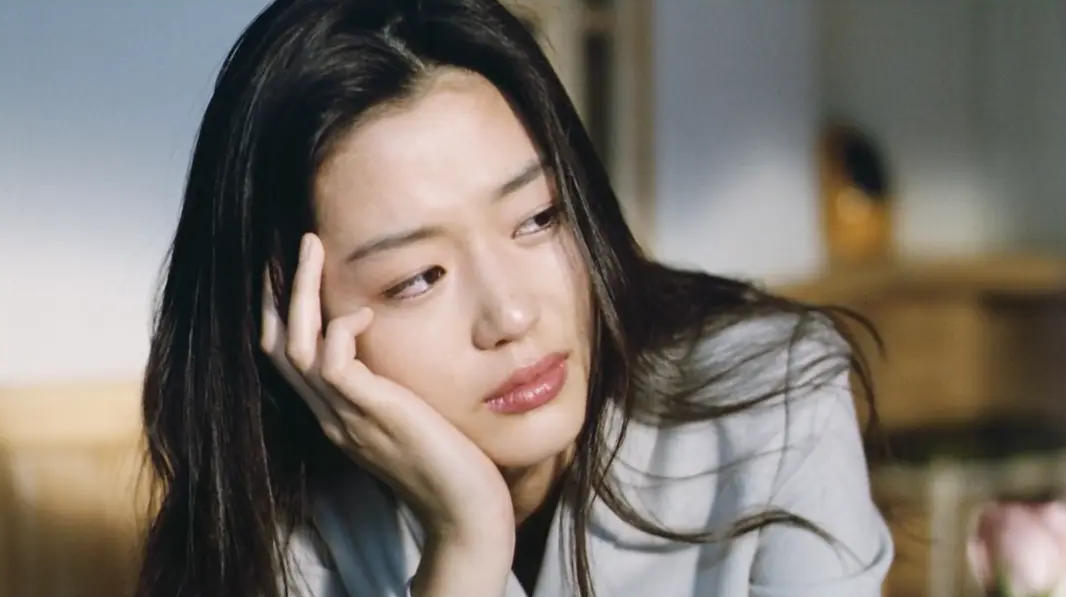
But just like Gyeon-woo, she also has a hidden side. Beneath the violence and unpredictability, she is not naturally chaotic to the core. There is a quieter, more conventional, more restrained person buried under that behavior. The gap between those two versions of her is not random; it comes from pain. The film gradually reveals why her behavior swings so sharply, and that deeper reason is what gives the story emotional weight.
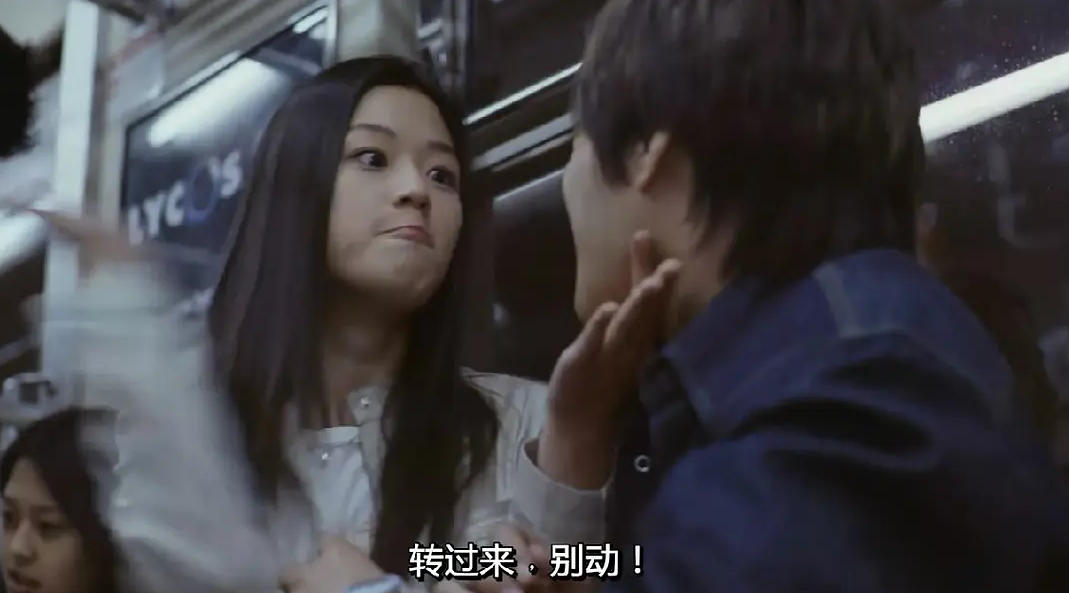
That extreme contrast between the two leads is what gives the film much of its energy. The comedy comes from their imbalance, but so does the emotional tension.
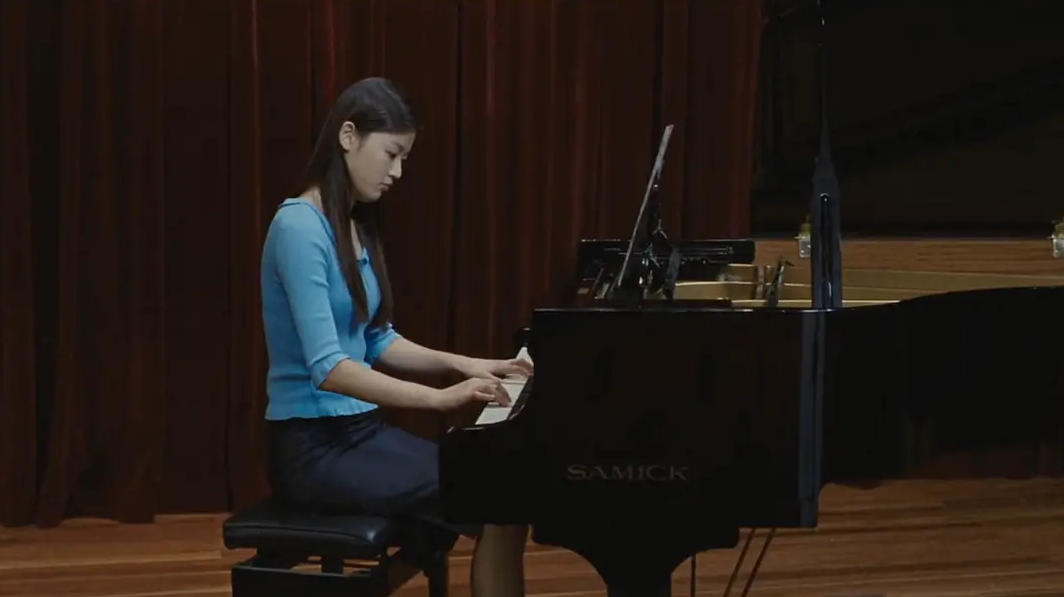
The three embedded stories and what they reveal
One of the more interesting devices in the film is the heroine’s desire to write stories. Three separate stories are woven into the movie, each borrowing the style or visual flavor of big-screen genre filmmaking. They are playful on the surface, but they also map onto her emotional state at different stages.
These three inner stories can be read as three phases: rescue, death-bound devotion, and rupture.
- Rescue — This reflects the way her former lover once saved or sheltered her emotionally, and after his accidental death, her own desperate wish to somehow reverse that loss and save him in return.
- Dying together — After that death, her grief becomes self-destructive. Her heavy drinking and moments like standing near the edge of the subway platform suggest a mind still trapped in the fantasy of following him into death.
- Break — As she spends more time with Gyeon-woo, she slowly falls in love with him, but she still cannot release her attachment to the man she lost. This creates a violent emotional split inside her, and the desire to sever herself from that entanglement becomes its own form of struggle.
These inserted stories are not just decorative. They give shape to feelings the character cannot state directly.
A comedy built on tragic foundations
One reason the film stays memorable is that its emotional rhythm is full rather than one-note. It makes people laugh first, then lets the sadness seep in. That combination tends to linger longer than pure comedy.
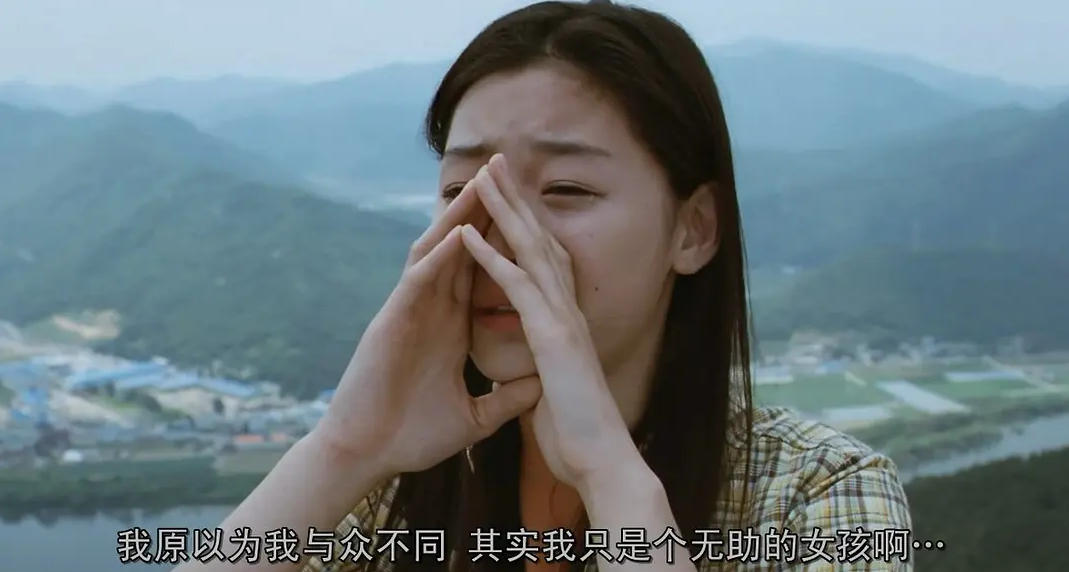
At its core, this is not really a carefree romance. The relationship begins because the heroine has been shattered by a previous tragedy and cannot move beyond it. Over time she realizes that she has come to love Gyeon-woo, but that new love does not erase the old one. Instead, the two feelings tear at each other until she begins to break under the strain.
Gyeon-woo understands more of this than he lets on. He senses early that, in some ways, she is partly treating him as a substitute for someone else. But instead of walking away in anger or pride, he stays. He keeps trying, in his awkward and patient way, to help her heal. Even the scenes in which she lashes out physically can be read not only as comic exaggeration, but also as tests of whether he will still remain, still tolerate, still care.
When she finally asks to separate, he does not force an explanation out of her. He accepts it, even though it hurts him. That is why the film’s sadness runs so deep: the love here is real, but it arrives inside a wound that has not closed.
Gyeon-woo’s intelligence is easy to miss
For much of the first half, Gyeon-woo is framed as clumsy, blank, or vaguely foolish. But the longer the film goes on, the clearer it becomes that he possesses a different kind of intelligence.
He is kind without being naive. He recognizes that the heroine’s attachment to him is tangled up with someone else’s memory, yet he does not simply reject her for that. He genuinely wants her to get better. Later, when she asks to end things, he is devastated, but he still chooses respect over possession.
What matters is that he does not collapse after the breakup. He continues living, changing, and holding on in his own way to a bond that has no guarantee of reward. That makes him more than just a comic victim of her behavior. He is the emotional center of the film, and much wiser than his surface image suggests.
Music used at exactly the right moments
The soundtrack also deserves mention because it is used with precision rather than excess. Pieces like “I Believe” and “Canon” land exactly where they should, supporting the emotional turns without overwhelming them. Even the martial-arts story segment is elevated by “A Lone Shadow in the Vast World”, which gives those scenes a memorable flavor.

The details that keep people talking
Another reason the film remains engaging is that it leaves room for interpretation. Several small details invite second thoughts:
- Was the heroine’s use of “dear” deliberate?
- Who exactly is the old man at the end?
- What is the meaning of the frog inside the time capsule?
- Could the old man be an older version of the male lead? With the UFO reference, is the film teasing some kind of time-travel possibility?
Those unanswered touches are part of the charm. My Sassy Girl is remembered for its slapstick and its iconic female lead, but what gives it staying power is the sorrow underneath the jokes, the emotional push and pull between two mismatched people, and the quiet strength of a male lead who understands far more than he ever says.